Study reveals Mercury shrank 10% to 30%, altering cooling history insights
A new study suggests that Mercury has shrunk by an additional 10% to 30%, translating to nearly 12 miles in diameter, which greatly impacts our understanding of its cooling history and formation. Thi…
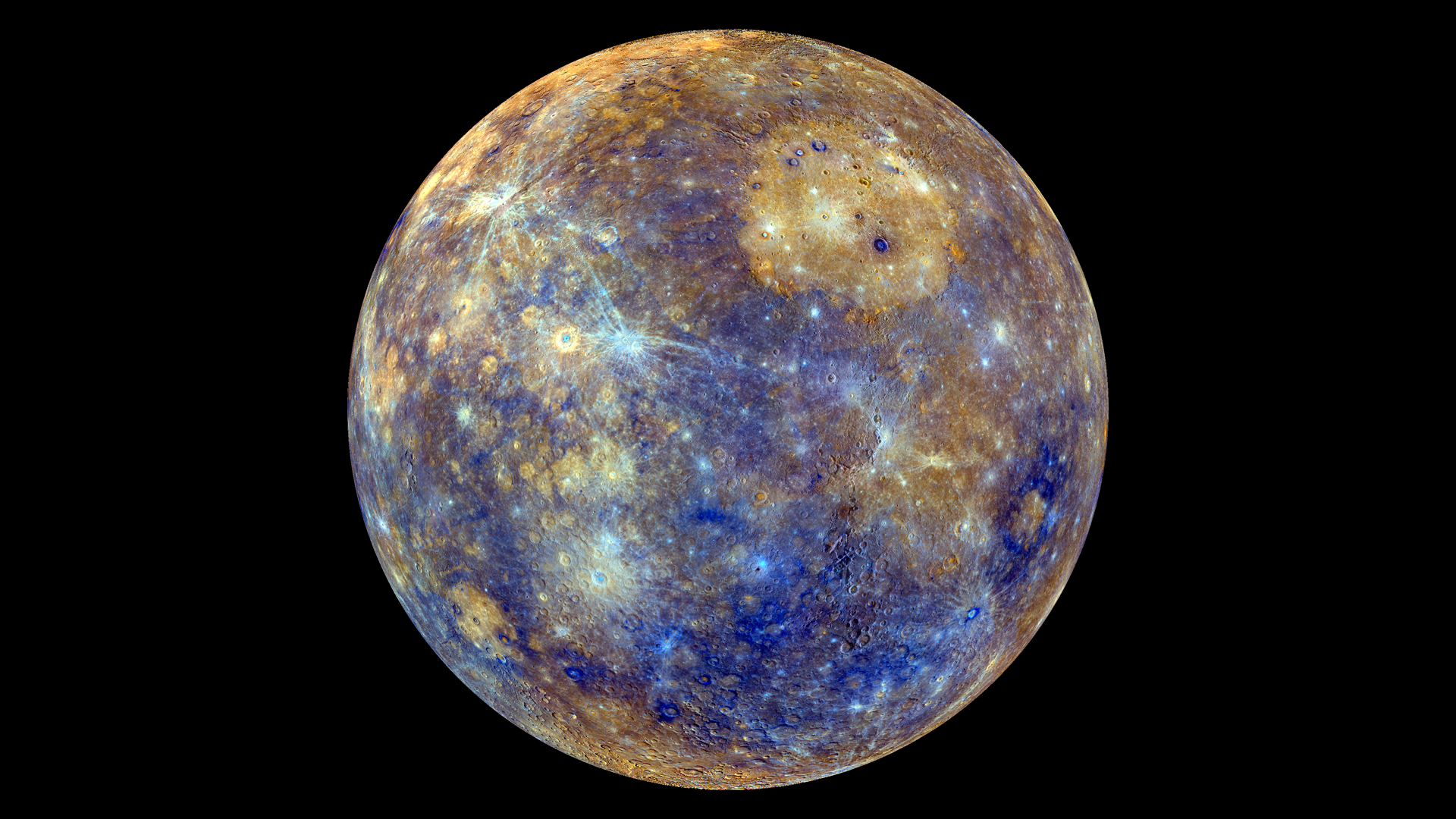
Mercury may have shrunk significantly more than scientists previously believed, according to a new study published on September 10 in the journal Geophysical Research Letters. Researchers found that the planet, which is about one-third the size of Earth, might have contracted by an additional 10% to 30%. This could translate to nearly 12 miles (19 kilometers) in diameter since its formation, bringing its current diameter to approximately 3,032 miles (4,880 kilometers).
This research comes in the wake of previous missions that failed to capture the full extent of Mercury's shrinkage. The study's lead author, Gaku Nishiyama, a planetary scientist at the German Aerospace Center, noted that debris from impact craters obscured evidence of the planet's contraction. Understanding the degree of shrinkage is crucial for researchers as it serves as an indicator of Mercury's cooling history, which is a key factor in models that estimate its evolutionary path.
The implications of this newfound shrinkage may extend beyond just size. A larger contraction could indicate that Mercury possesses a more significant metal core and fewer light elements, like silicon, within that core. Nishiyama emphasized that this information could provide insights into Mercury's formation and the early conditions of our solar system. By studying Mercury's interior, scientists hope to unveil critical details about the evolution of the solar system as a whole.
The study utilized data from NASA's MESSENGER mission, which orbited Mercury from 2011 to 2015. By comparing maps of geological features and surface roughness, researchers identified areas where the rugged landscape of Mercury displayed fewer signs of shrinkage. This suggests that more recent impacts have covered older geological features, hindering the ability to observe the planet's contraction. As scientists continue to explore Mercury, they expect that a deeper understanding of its interior will contribute significantly to our knowledge of planetary formation and evolution.
Read Full Story at Live Science →