Muhammad Saeed arrested in Lahore for $126 million counterfeit postage scheme
Muhammad Saeed, a 38-year-old man, was arrested in Lahore, Pakistan, for his role in a counterfeit postage scheme that cost the U.S. Postal Service approximately $126 million by selling fake stamps. …
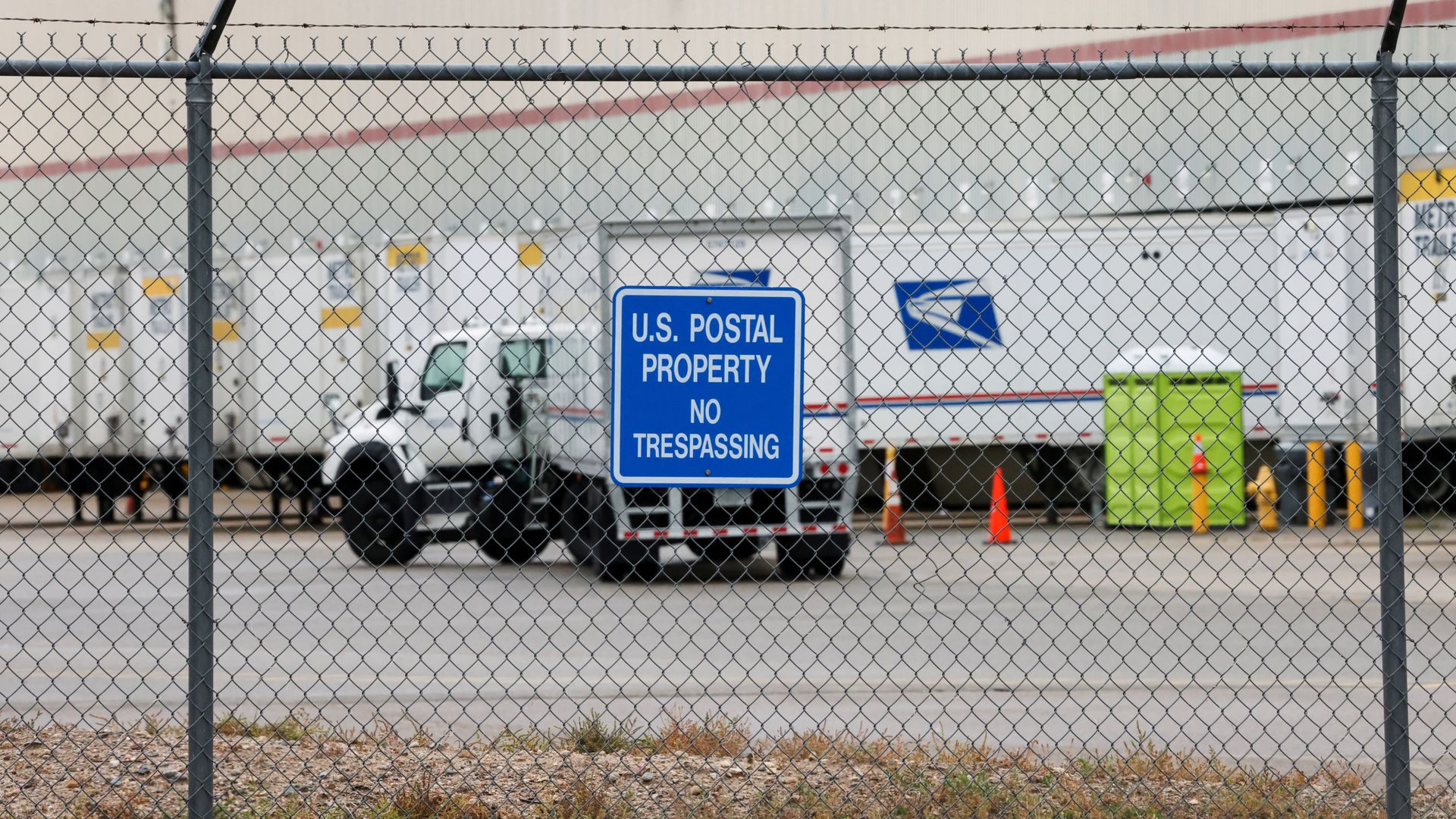
A man identified as 38‑year‑old Muhammad Saeed was taken into custody in Lahore, Pakistan, on Tuesday after U.S. authorities linked him to a counterfeit postage scheme that cost the United States Postal Service an estimated $126 million, according to Sky News. The operation involved printing fake stamps and mailing labels that were then sold to businesses and individuals in the United States, allowing them to avoid paying legitimate postage fees.
The fraud matters because the USPS has struggled with declining mail volumes and mounting financial losses for years. Counterfeit postage adds to a budget shortfall that has already forced the agency to cut services and lay off workers. Experts say the rise of online marketplaces and cheap printing technology has made it easier for criminal networks to produce high‑quality forgeries. In recent months, the Postal Service reported a surge in suspicious mail that triggered investigations by its own fraud unit and the Federal Bureau of Investigation.
According to court documents, Saeed’s network operated out of a warehouse in Lahore, where printers and specialized inks were used to mimic the design of modern U.S. stamps. The counterfeit products were shipped in bulk to a distribution hub in New York, then sold to small businesses that wanted to reduce shipping costs. The scheme is believed to have generated more than 300 million fraudulent stamps over a two‑year period. In a statement, USPS spokesperson Lisa McKenna called the arrest “a significant step toward protecting the integrity of our mail system” and said the agency would pursue civil recovery of the losses.
The next steps include extradition proceedings that could see Saeed tried in a U.S. federal court. Pakistani authorities have said they will cooperate with the United States under existing mutual legal assistance agreements. The case highlights the need for tighter international cooperation on postal fraud and may prompt the USPS to adopt new authentication technologies to make counterfeiting more difficult. If successful, the prosecution could deter similar schemes and help restore confidence in the nation’s mail system.
Read Full Story at Sky News →