University of Michigan study links low testosterone and high-fructose diet to liver damage
Scientists at the University of Michigan reported that low testosterone and a high‑fructose diet together dramatically worsen fatty liver disease in mice, and that the damage is driven by changes in …
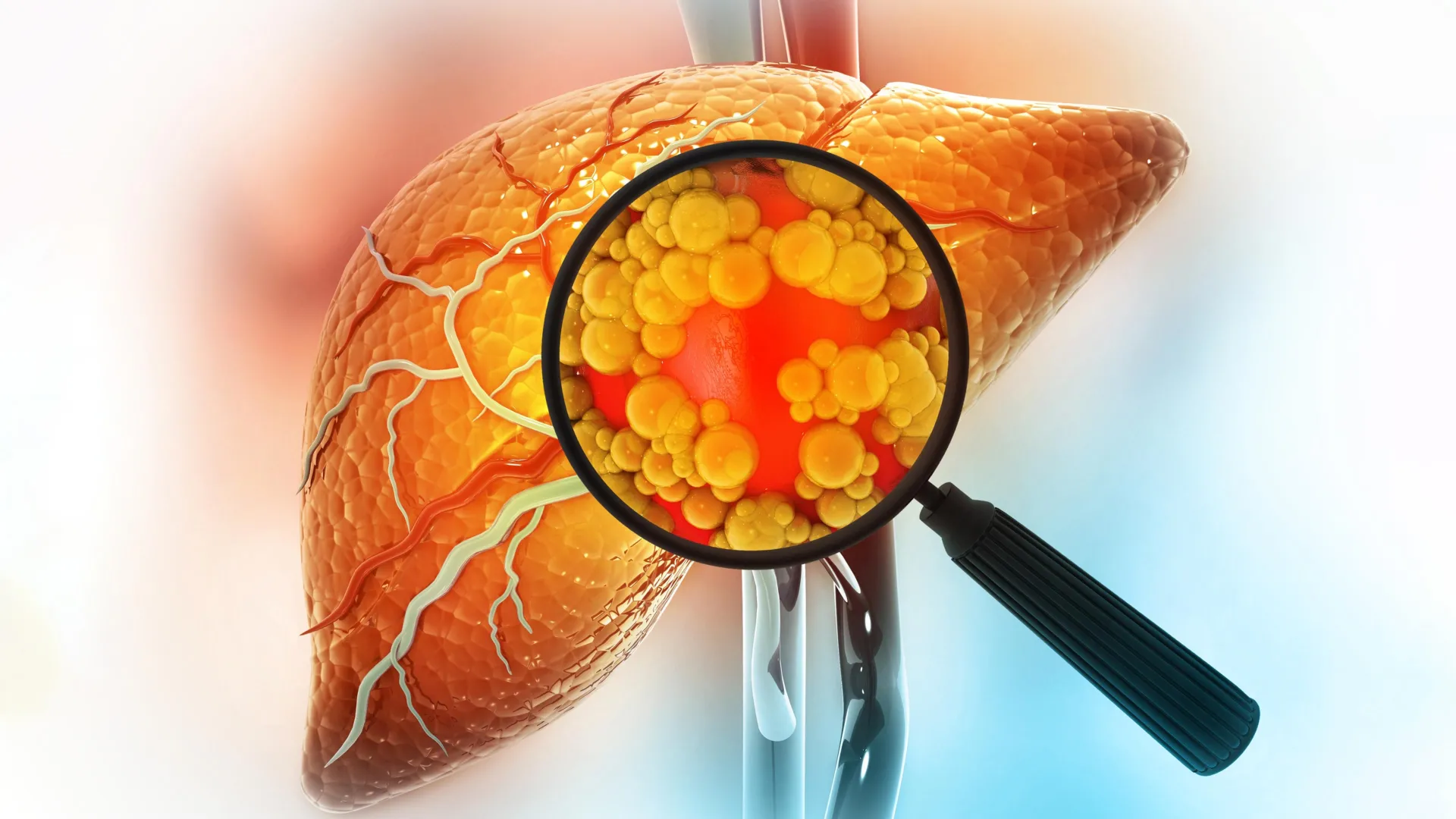
Scientists at the University of Michigan reported that low testosterone and a high‑fructose diet together dramatically worsen fatty liver disease in mice, and that the damage is driven by changes in gut bacteria. The study, published in *Cell Metabolism* on Oct. 21, showed castrated male mice given 30 percent fructose water developed twice the amount of liver fat and inflammation as normal mice on the same diet. The finding links two common risk factors—low hormone levels and sugary drinks—to a single, gut‑mediated pathway.
Fatty liver disease now affects about a quarter of adults worldwide and is a leading cause of liver failure. Men with low testosterone are already at higher risk for obesity, diabetes and heart disease, while fructose, found in soda, fruit juice and processed foods, is known to promote liver fat on its own. The new work explains why these two factors may act together, suggesting that men with declining testosterone who also consume a lot of sugar could be hitting a metabolic “double whammy.” Researchers have long suspected the gut microbiome influences liver health, but this is the first study to show that hormone loss can reshape the bacterial community in a way that makes fructose more toxic.
In the experiment, researchers compared four groups of mice: intact controls, castrated mice, each with and without fructose. Castrated mice on fructose showed a 45 percent rise in liver enzymes and a marked shift toward bacteria that produce harmful metabolites. When fecal material from these mice was transferred to healthy mice, the recipients also developed liver damage despite normal testosterone levels, confirming the gut’s causal role. The team identified a loss of *Akkermansia* and a bloom of *Enterobacteriaceae* as key signatures, and noted that restoring these bacteria with probiotics reduced liver fat by 30 percent.
The authors say the next step is a human trial to see whether testosterone therapy or targeted probiotic treatment can blunt the effect of sugary drinks on the liver. If successful, doctors may screen men with low testosterone for high fructose intake and advise dietary changes or microbiome‑focused interventions. The study adds urgency to public‑health calls for lower sugar consumption, especially among older men who are already vulnerable to metabolic disease.
Read Full Story at ScienceDaily →