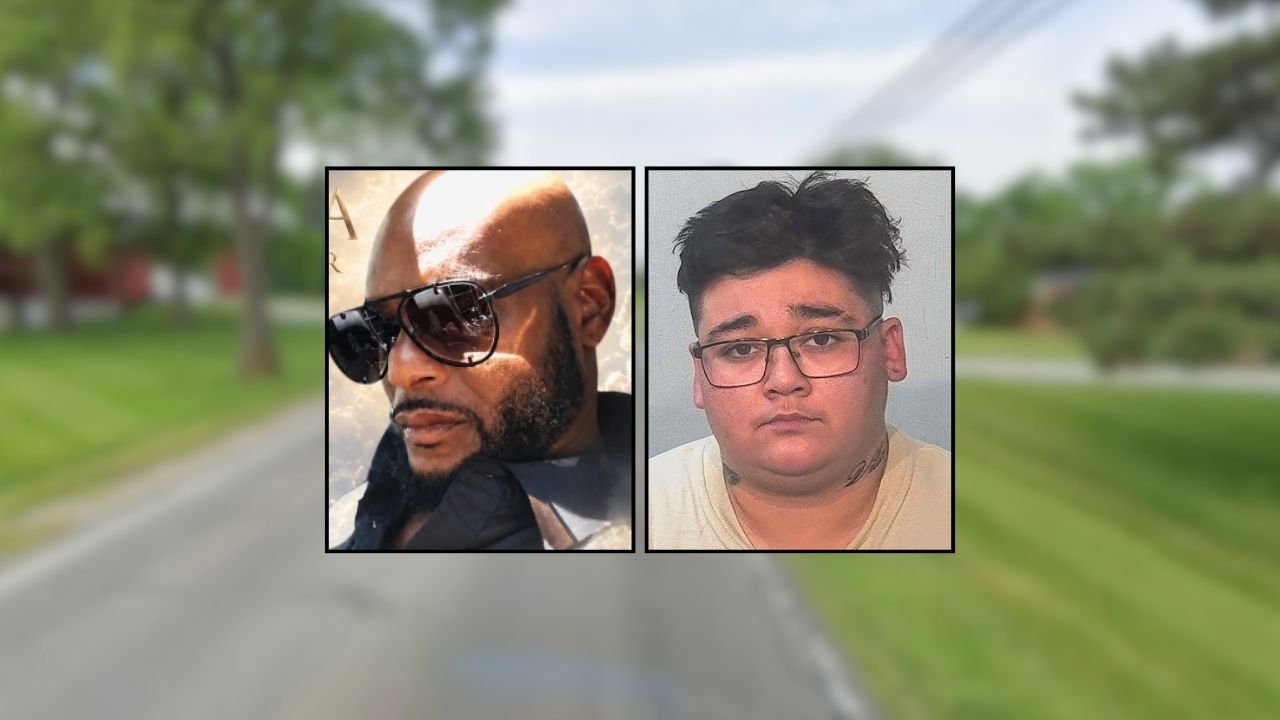
Judge orders Clancy jury to resume deliberations
The judge in Lindsay Clancy’s murder trial ordered deadlocked jurors to keep deliberating after a second impasse. A mistrial may be declared if they still can’t agree, affecting her potential retrial…
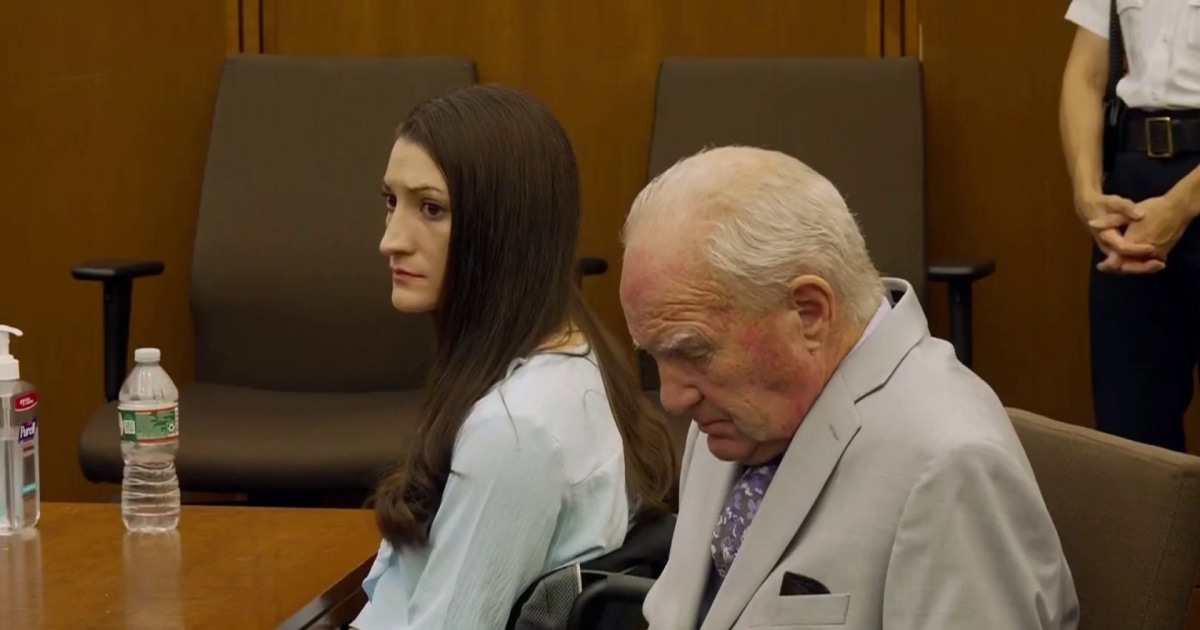
The judge in Lindsay Clancy’s murder trial delivered a Terry‑Rodriguez instruction after jurors told him for a second time that they could not reach a unanimous verdict. The order came on Tuesday in the Worcester County District Court, where the jury has been deadlocked since the trial began in early June.
Clancy, 26, was accused of killing her boyfriend, 31‑year‑old Michael D., in 2022. Prosecutors say the murder was pre‑planned and that Clancy used a gun she claimed was her own. Clancy has pleaded not guilty and has argued that she acted in self‑defence after a history of abuse. The case has drawn national attention because it sits at the intersection of domestic‑violence policy and criminal‑justice reform. The trial has been delayed several times, and the judge has faced pressure from both sides to reach a verdict.
The Terry‑Rodriguez instruction is a special jury instruction used when a jury cannot agree on a verdict. It reminds jurors that they must keep deliberating and that a mistrial is not automatic. The judge told the jury that they had a duty to try again, and that the court would consider a mistrial only if the deadlock persisted. The jurors had already expressed frustration in a prior session, saying they could not reach a unanimous decision. The judge’s instruction is a procedural step that gives the jury a chance to resolve the deadlock before the case is sent back to the prosecutor or the judge declares a mistrial.
If the jury fails to reach a unanimous verdict after this instruction, the judge will likely declare a mistrial. That would mean the case could be retried with a new jury, or the prosecutor could decide to drop the charges. The outcome matters because it will determine whether Clancy faces another trial and whether the state can secure a conviction for the murder. It also highlights how courts handle prolonged deadlocks in high‑profile trials.
Read Full Story at NBC News →