UC San Diego researchers expand genetic alphabet to eight DNA letters
Researchers at UC San Diego have shown that an enzyme can read an eight-letter genetic alphabet, doubling the standard four DNA letters used in all known life. This discovery could enable the creatio…
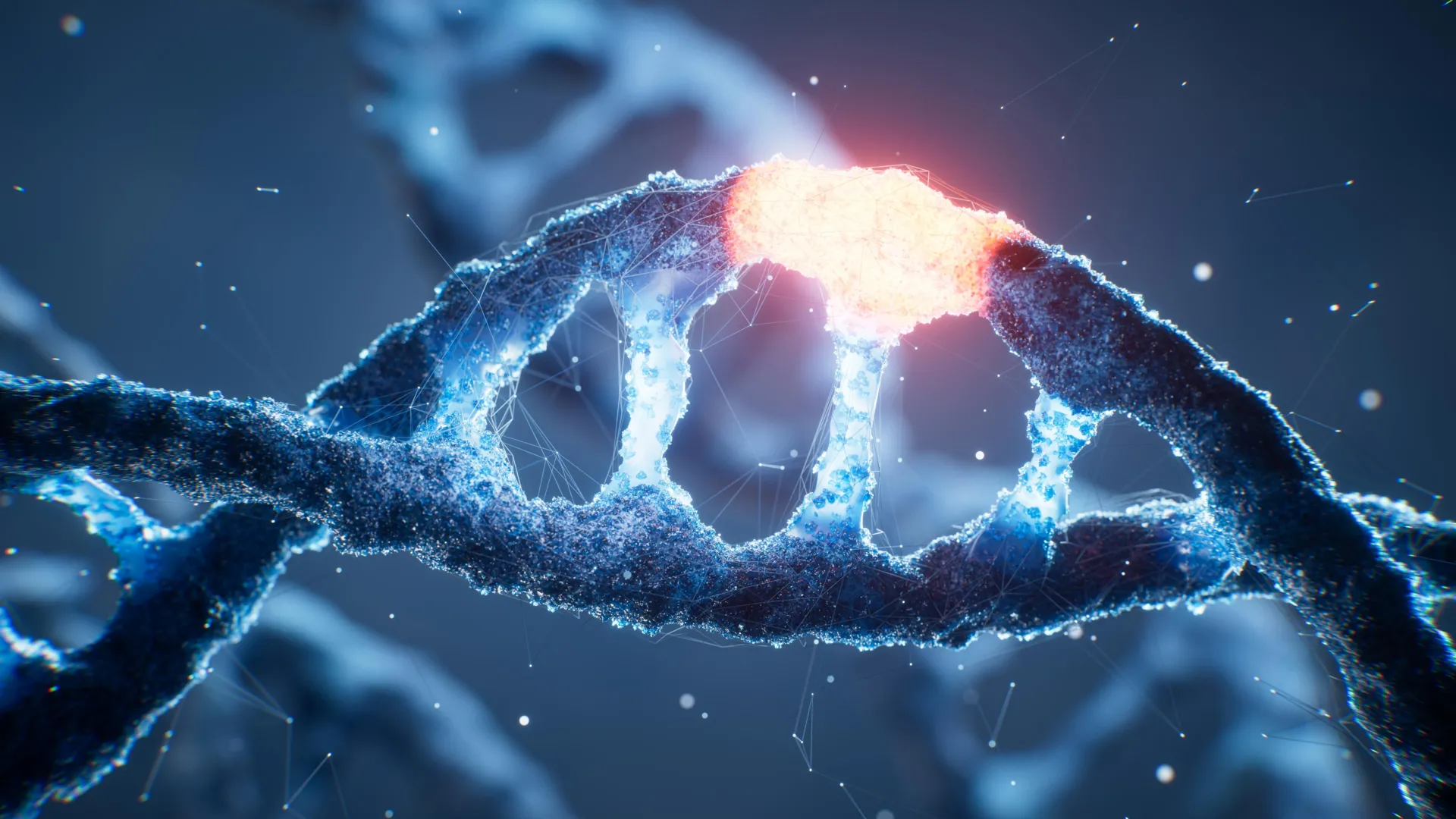
Researchers at UC San Diego have successfully demonstrated that a key enzyme can read an eight-letter genetic alphabet, a significant advancement that doubles the four DNA letters used by all known life forms on Earth. This breakthrough could open the door to creating expanded genetic systems capable of performing entirely new biological functions.
The study focuses on RNA polymerase, an enzyme crucial for transcribing DNA into RNA. Recent detailed imaging revealed that this enzyme processes synthetic DNA letters in a manner strikingly similar to how it handles natural ones. This finding is particularly relevant as scientists explore the potential of synthetic biology to enhance or modify living organisms.
This research builds on the foundation of synthetic biology, which aims to redesign organisms for useful purposes. By expanding the genetic alphabet, scientists can potentially engineer microbes that produce biofuels, pharmaceuticals, or even materials with unique properties. The implications could be vast, impacting biotechnology, medicine, and environmental science.
Looking ahead, this discovery may pave the way for more complex genetic systems that could lead to innovative applications in various fields. As researchers continue to explore the possibilities of an eight-letter genetic code, the potential for groundbreaking advancements in how we understand and manipulate life itself becomes increasingly tangible.
Read Full Story at ScienceDaily →