Jurors hear 'Keffe D' say his nephew fired fatal shots at Tupac Shakur in 1996 drive-by shooting
Duane Davis appears in court during his murder trial, related to the 1996 killing of rapper Tupac Shakur, in Clark County District Court at the Regional Justice Center in Las Vegas, Thursday, Aug. 20…
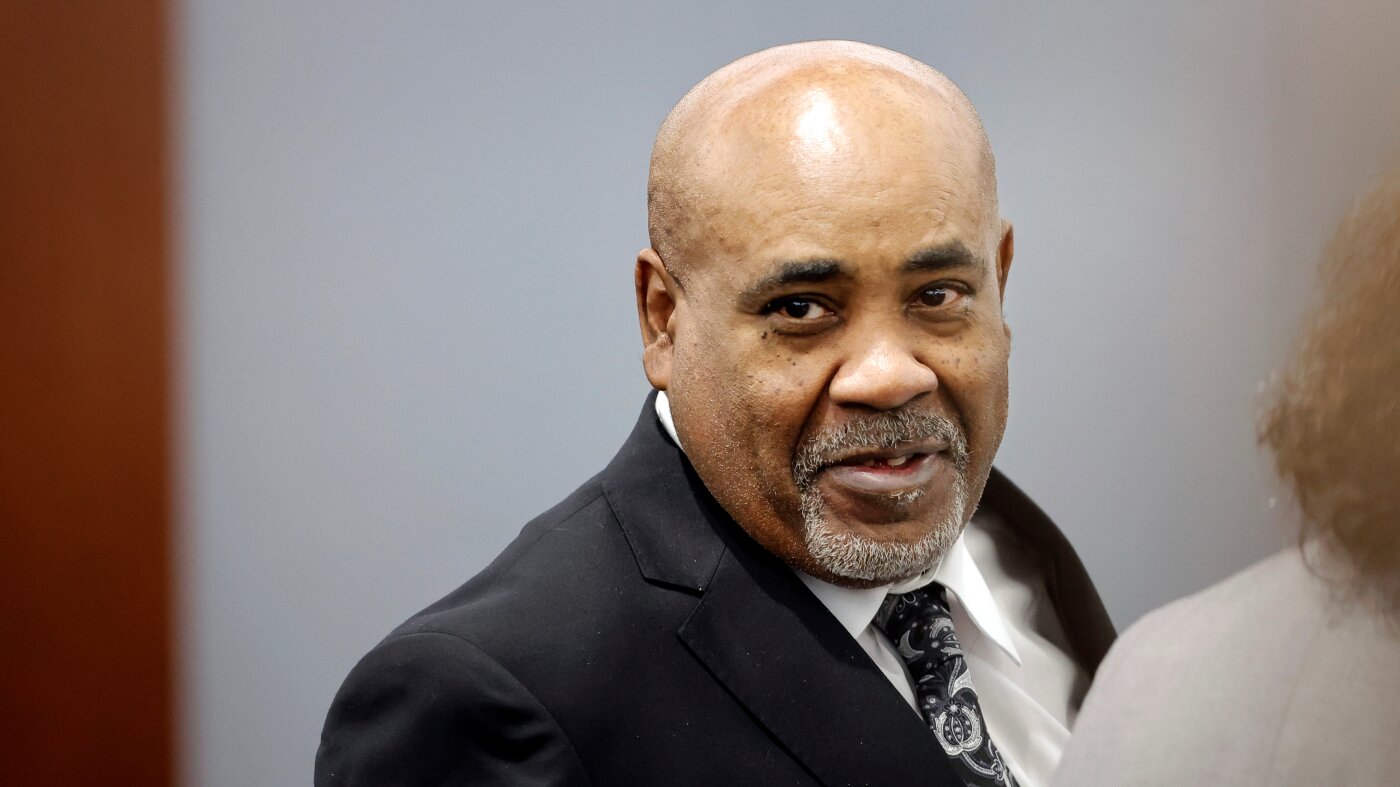
Duane Davis appears in court during his murder trial, related to the 1996 killing of rapper Tupac Shakur, in Clark County District Court at the Regional Justice Center in Las Vegas, Thursday, Aug. 20, 2026. Steve Marcus/POOL Las Vegas Sun/ AP hide caption
LAS VEGAS — Jurors on Thursday heard Duane "Keffe D" Davis tell detectives in 2008 that his nephew Orlando "Baby Lane" Anderson fired the shots that killed Tupac Shakur.
Davis, who said in the interview that he was also in the car with Anderson, is accused of orchestrating the 1996 killing of the 25-year-old hip-hop superstar in Las Vegas. At the time of the interview, his nephew had been dead for a decade.
Davis said the white Cadillac he and Anderson were riding in with two other men pulled up alongside a car with Shakur inside, along with hip-hop mogul and Death Row Records head Marion "Suge" Knight.
"If we would have been on my side, I would have blasted," Davis said. Instead, Knight's car was on the other side, so Davis passed his gun back to Deandre "Big Dre" Smith. But Smith didn't want it, Davis said.
Anderson, who was also in the back seat, took the weapon and started firing, Davis said.
Jurors watched the screen as the transcript of the audio recording rolled. Some occasionally took notes. At the beginning of the audio interview, Davis and his attorney whispered to each other. Shakur's family sat still, occasionally looking at the screen or looking down to the floor. The room was quiet as Davis described the shooting.
It was the first time Davis directly discussed his involvement in the killing with authorities. The interview is essential evidence in the state's case against the 63-year-old Davis. Prosecutors told jurors in opening statements that they would lean heavily on Davis' own admissions in interviews with police and on podcasts, as well as the 2019 memoir he co-authored, "Compton Street Legend."
Read Full Story at NPR News →


