Motion urges judge to block Kennedy Center shutdown, unseal Trump board deck
A federal judge is asked to block the Kennedy Center’s shutdown and unseal a PowerPoint sent to Trump-appointed trustees. Plaintiffs allege the board is illegally politicizing the institution and vio…
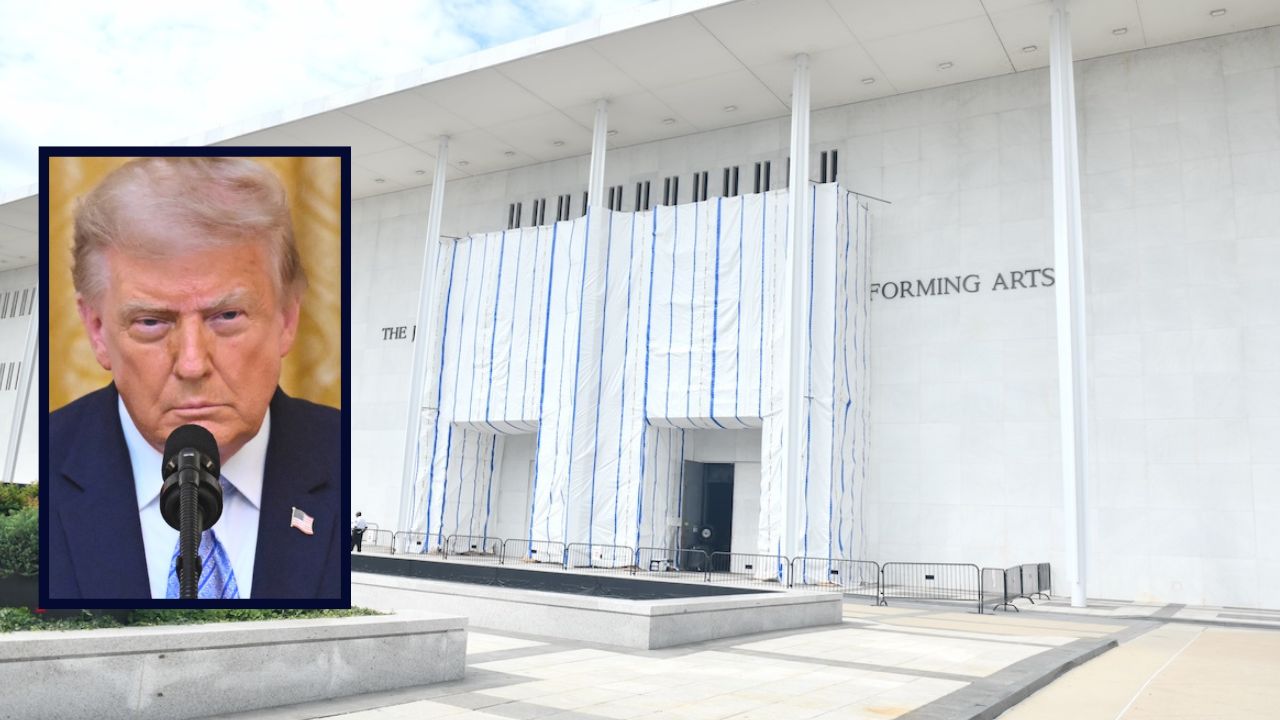
A federal judge in Washington is facing a urgent legal request to stop what plaintiffs call a second illegal shutdown of the John F. Kennedy Center for the Performing Arts. The motion asks the court to unseal a confidential PowerPoint presentation that was sent to the center’s current board of trustees. This board was largely appointed by former President Donald Trump during his first term. The lawsuit argues that the current administration is using administrative tactics to silence the institution and impose political control over its programming and governance. The center is one of the most prominent cultural landmarks in the United States, and its operations have become a flashpoint for debates over government oversight of the arts.
The conflict stems from deep political tensions between the Trump administration and the Kennedy Center’s previous leadership. Before leaving office, Trump replaced several independent trustees with loyalists who supported his political agenda. Critics argue that these appointees have since used their positions to undermine the center’s artistic independence. The current lawsuit was filed by a lawmaker who contends that the board is acting beyond its legal authority. The plaintiff claims that the board is attempting to rename the center or alter its mission in ways that violate federal law. The motion specifically highlights a PowerPoint deck that allegedly outlines an assessment of the center’s operations. This document was kept secret, leading to accusations of transparency violations. The lawsuit suggests that the board is preparing to shut down the center again, similar to controversies that arose during the previous administration.
The PowerPoint deck in question is central to the legal battle. Plaintiffs argue that the document contains damaging evidence of political interference. They claim it shows how the board is coordinating with political allies to control the center’s narrative. The motion asks the judge to order the immediate release of this file. The lawyer filing the motion stated that the public has a right to know how government-funded institutions are being managed. They argued that keeping such documents sealed violates principles of open government. The Kennedy Center has faced scrutiny for years over its relationship with the federal government. Funding for the center comes from taxpayer dollars, which means it is subject to public accountability. However, the center also operates with a degree of artistic autonomy that has been increasingly contested. The current board’s actions have raised fears that this autonomy is being eroded.
If the judge grants the motion, the contents of the PowerPoint will become public record. This could lead to further legal challenges and political pressure on the board. It may also force a reckoning on how the federal government oversees cultural institutions. The outcome of this case will set a precedent for future disputes over government-appointed boards. It will clarify the limits of political influence on non-profit organizations. For the Kennedy Center, the stakes are high. A ruling against the board could restore its independence. A ruling in favor of the board could legitimize its controversial actions. The case highlights the broader struggle between political power and cultural freedom. It raises questions about the role of art in American public life. As the legal process unfolds, the center remains a symbol of this ongoing debate. The public is watching closely to see if the courts will protect artistic integrity from political interference. The decision could reshape the landscape of federal arts funding and governance for years to come.
Read Full Story at Law & Crime →