Dr. Annie Andrews elected to U.S. Senate, first since 1938
Dr. Annie Andrews has become the first practicing physician and Democrat elected to the U.S. Senate since 1938, marking a notable shift in the political landscape with more doctors entering politics …
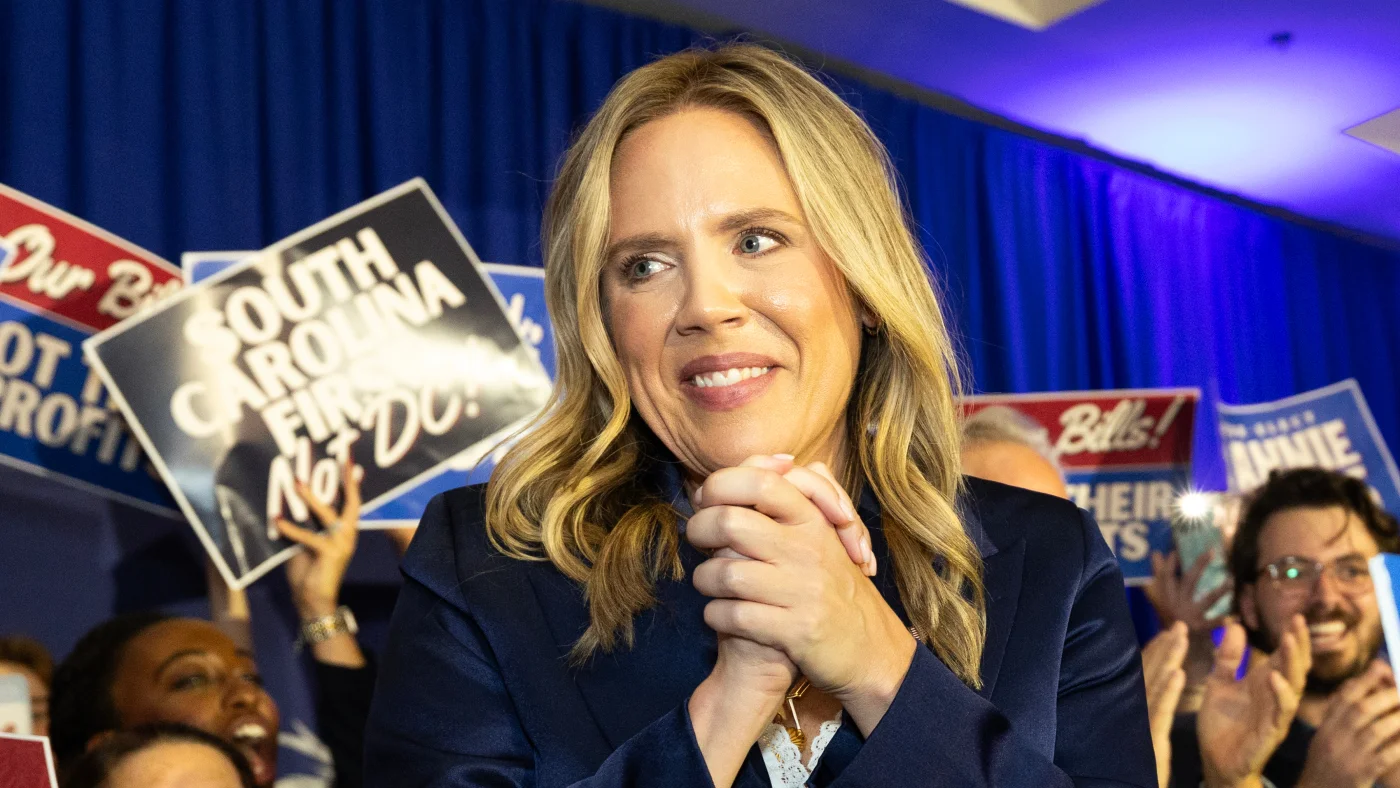
Dr. Annie Andrews has made history by becoming the first practicing physician and Democrat elected to the U.S. Senate since 1938, winning her race in South Carolina. Her victory represents a significant shift in the political landscape, as a growing number of doctors are now entering politics as Democrats, particularly in the wake of this recent election cycle.
This change reflects a broader trend where healthcare professionals, particularly those working in large hospital systems, are increasingly aligned with Democratic values. These candidates are often driven by concerns over public health issues, equity, and the affordability of care. Andrews, a pediatrician, was motivated to run for office after witnessing the struggles of families unable to afford essential medications like asthma inhalers and insulin. Her personal experiences with gun violence affecting children further solidified her belief that political action is necessary for the changes she wishes to see in healthcare and society.
In the current Senate, all four existing physician members are Republicans, but with Andrews’ win alongside Dr. Abdul El-Sayed’s election in Michigan, there will now be an equal representation of Republican and Democratic physicians. This shift could influence how health-related policies are approached in the Senate. In the House, the Democratic doctor's caucus will expand with the addition of at least two new members: Dr. Adam Hamawy from New Jersey and Dr. Richard Pan from California. Meanwhile, some Republican incumbents faced losses, hinting at a changing tide in how medical professionals engage with politics.
The surge in Democratic physician candidates can be attributed in part to the efforts of organizations like 314 Action, which supports science-minded progressive candidates. The group invested over $30 million in various campaigns, reflecting a strategic push to bring more healthcare professionals into legislative roles. As these new lawmakers take their seats, their focus on pressing health issues could reshape discussions on healthcare policy in Congress, making it a pivotal moment for both the medical community and public health advocacy.
Read Full Story at NPR News →