Study finds AI use reduces motivation in 1,200 participants by 30%
A new study published in the Journal of Educational Psychology found that people who use AI tools for simple tasks like solving math problems become less motivated over time. The research followed 1,…
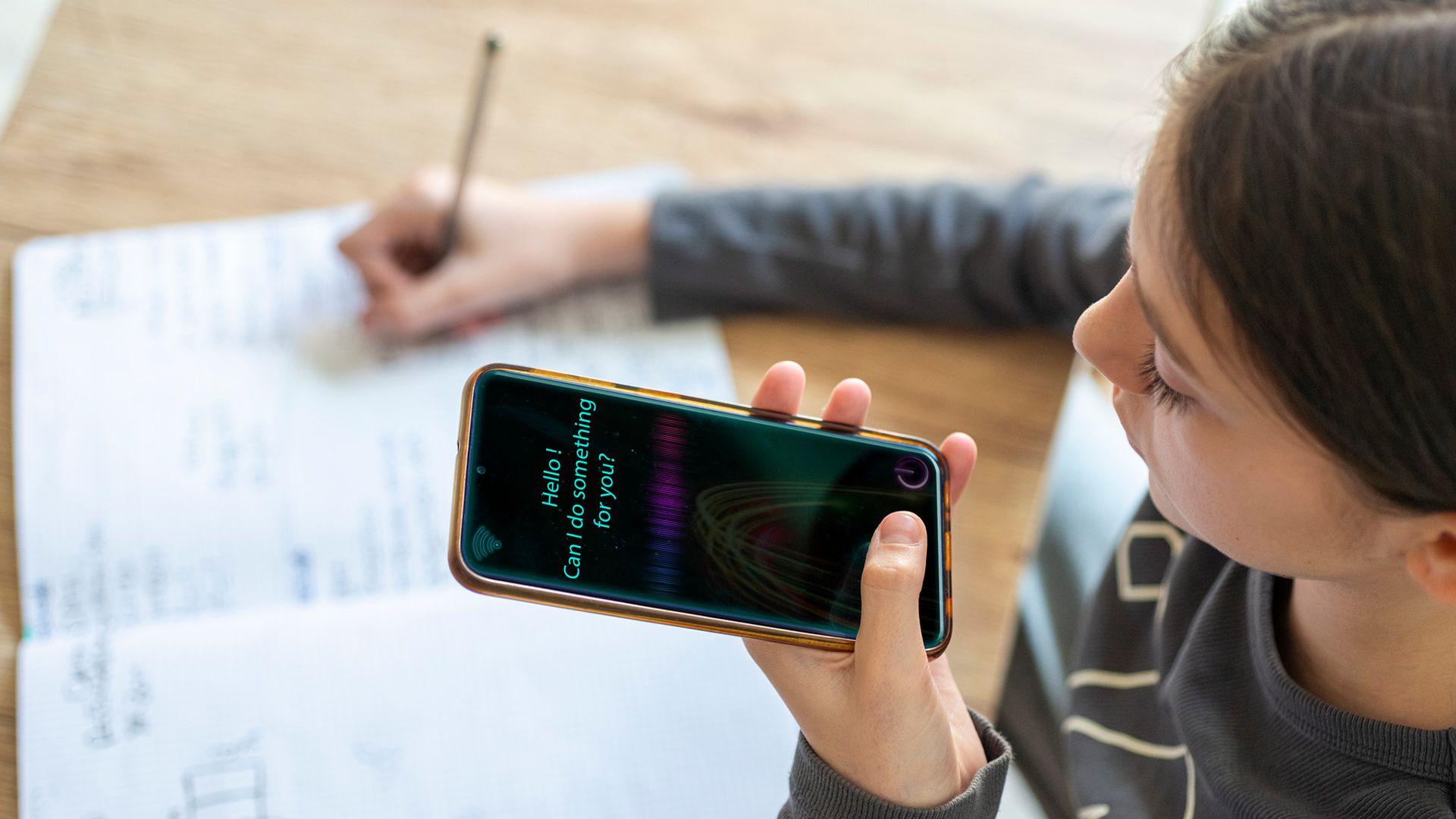
A new study published in the Journal of Educational Psychology found that people who use AI tools for simple tasks like solving math problems become less motivated over time. The research followed 1,200 participants for six months and showed a 30 % drop in self‑reported motivation among those who relied on AI help, compared with a control group that did the work themselves. Live Science polled its readers after the study’s release, and 45 % said they agreed with the findings.
AI assistants such as ChatGPT, WolframAlpha, and other tutoring apps are now common in classrooms and workplaces. Because these tools can solve problems instantly, many people use them to skip the mental effort that traditionally builds skills. Experts worry that overreliance may weaken students’ ability to think critically and solve problems independently. The study adds fresh data to a growing debate about how AI should fit into learning environments.
In the experiment, participants were randomly assigned to either an AI‑help group or a control group that worked without AI. Researchers used the Academic Motivation Scale to gauge motivation every month. Those in the AI group reported feeling bored and less challenged. They also showed fewer attempts to work through problems on their own. Some educators warned that if students become accustomed to quick AI answers, they might struggle in jobs that require problem‑solving. Others argue that AI can serve as a tutor if teachers set clear boundaries and encourage active engagement.
The authors suggest guidelines for balanced AI use, such as limiting AI help to review rather than initial problem solving. Schools may adopt policies that integrate AI as a supplement, not a crutch. Live Science plans to follow up with additional polls and interviews with educators. The findings are timely as AI becomes more mainstream; they could influence how schools and employers think about training and skill development in an AI‑driven world.
Read Full Story at Live Science →