Iran demands $7B, sanctions lifted to reopen Strait of Hormuz
Iran demands the U.S. release $7 billion in frozen funds, lift all sanctions since 2017, and guarantee compliance with the 2015 nuclear deal to reopen the Strait of Hormuz, a critical oil shipping ro…
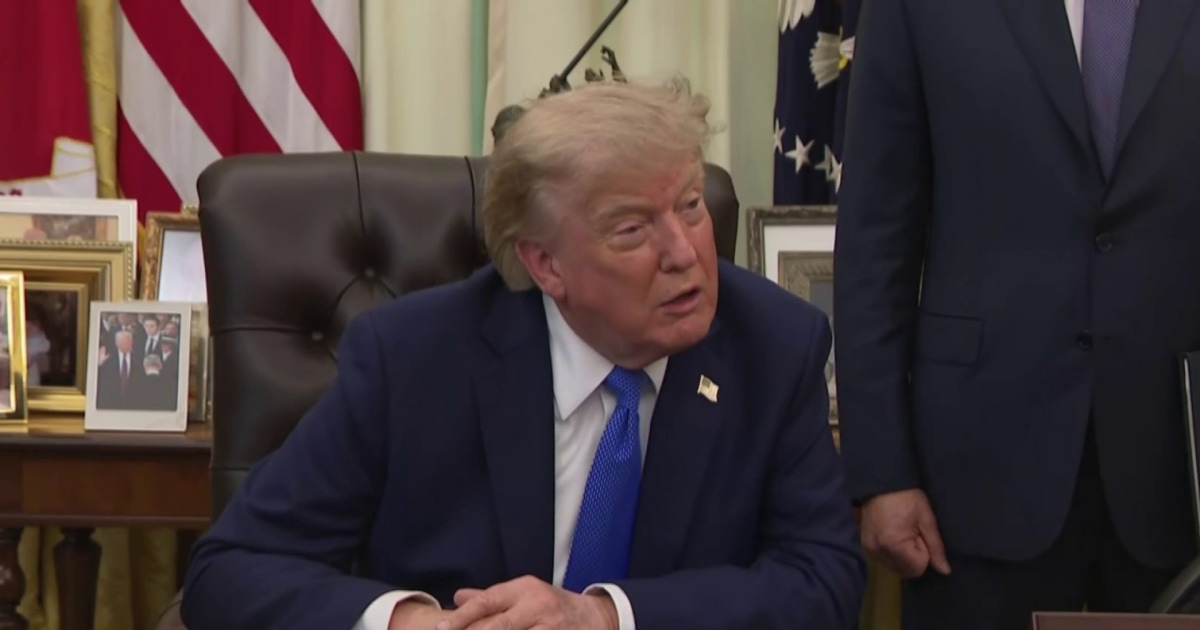
Iran issued a fresh set of demands to the United States on Saturday, adding new obstacles to efforts aimed at reopening the Strait of Hormuz, a vital shipping route through which roughly one-fifth of the world’s oil passes. The latest push comes as indirect talks between Washington and Tehran, mediated by regional allies, have stalled in recent weeks. NBC News correspondent Keir Simmons reported from Doha that Iran’s demands include the release of frozen funds, a halt to sanctions on its oil exports, and guarantees that the U.S. will not withdraw again from the 2015 nuclear deal, as it did under President Donald Trump.
The Strait of Hormuz has long been a flashpoint in U.S.-Iran relations, especially after a series of attacks on tankers, drone interceptions, and the seizure of foreign vessels in the region over the past five years. Tensions escalated after the U.S. assassination of Iranian General Qasem Soleimani in 2020 and Iran’s subsequent retaliatory strikes. The nuclear deal, formally known as the Joint Comprehensive Plan of Action (JCPOA), remains in limbo. While President Joe Biden has signaled willingness to return to the agreement, negotiations have dragged on due to Iran’s insistence on broader economic relief and Washington’s concerns over Iran’s regional activities and ballistic missile program.
Iran’s latest demands include the unfreezing of an estimated $7 billion in assets held abroad, a demand that U.S. officials have previously dismissed as non-starters. According to reports, Iran has also called for the removal of all sanctions imposed since 2017, not just those tied to the nuclear program. These conditions come as Iran has accelerated its uranium enrichment to near weapons-grade levels, raising alarms in Israel and among U.S. allies in the Gulf. A senior U.S. official, speaking on condition of anonymity, told NBC News that while some flexibility exists, the new demands “go beyond what is reasonable” and risk derailing any potential deal.
The consequences of a prolonged standoff are serious. The Strait of Hormuz is not just an oil artery; it is a chokepoint that, if disrupted, could send global energy prices soaring and trigger military responses from the U.S. and its allies. For now, Iran appears to be leveraging its control over the strait as a bargaining chip, but the risk of miscalculation remains high. Diplomats in Doha say the next two weeks will be critical, as both sides weigh whether to re-engage or escalate. The outcome could determine whether the region slides further into conflict or inches toward a fragile détente.
Read Full Story at NBC News →