Instagram head Adam Mosseri testifies in defense of Meta in child safety trial
Adam Mosseri (C), head of Instagram, arrives at the Ronald V. Dellums Federal Building & United States Courthouse as Meta is on trial over social media addiction in Oakland, California, on August 25,…
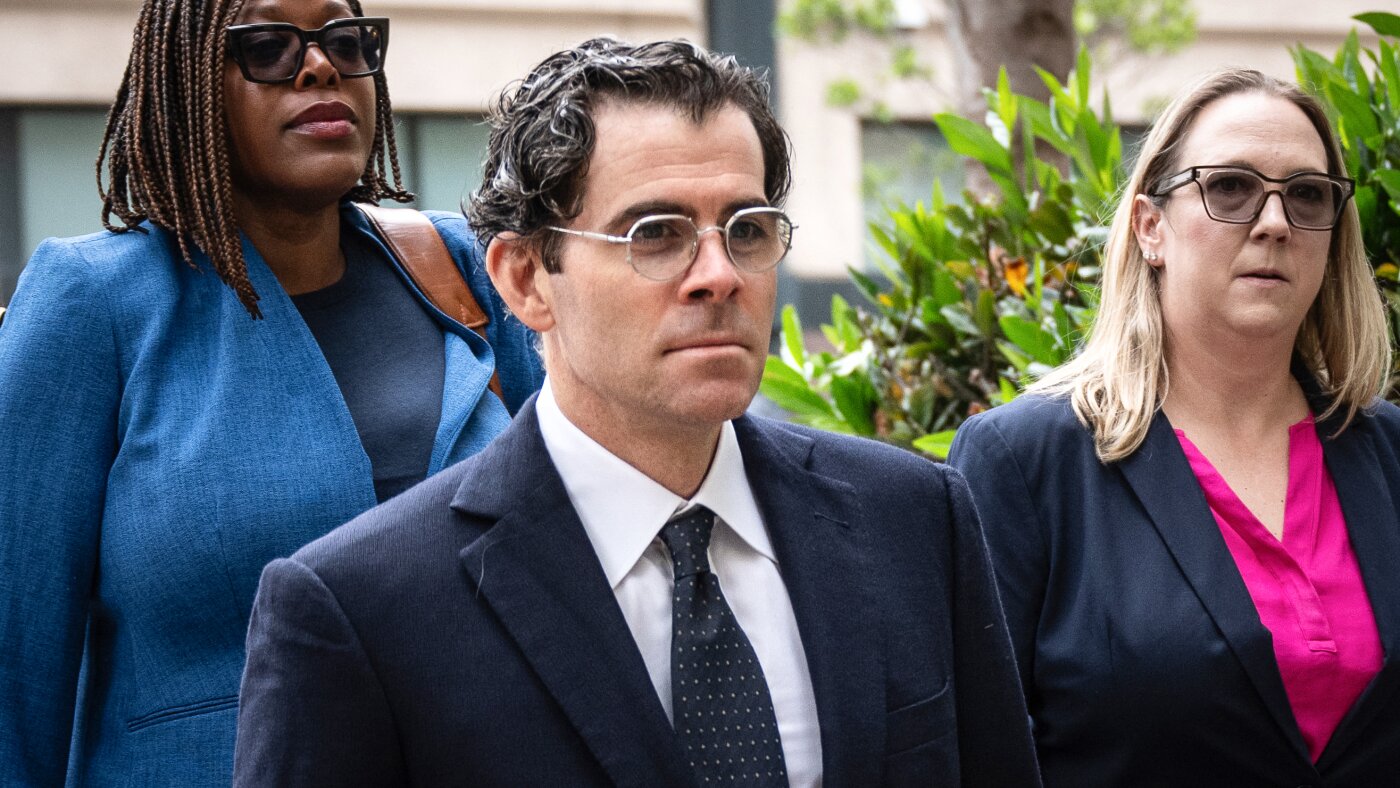
Adam Mosseri (C), head of Instagram, arrives at the Ronald V. Dellums Federal Building & United States Courthouse as Meta is on trial over social media addiction in Oakland, California, on August 25, 2026. KARL MONDON/AFP via Getty Images hide caption
Sign up for NPR's Up First morning newsletter for the stories you need to start your day
OAKLAND, Calif. – The head of Instagram, Adam Mosseri, said in court on Tuesday that a feature introduced in 2021 to try to help teens regulate their time on the app had lower uptake than he had hoped for and he wished it had been fixed sooner.
Attorneys representing California, Colorado, Kentucky and New Jersey are suing Instagram's parent company Meta , accusing it of designing Instagram and its other flagship platform, Facebook, to hook kids and harvest their data and of hiding the truth about dangers the platforms posed to young people. In an Oakland, California courtroom, attorneys for Meta have denied the accusations and sought to show that the company was sensitive to the risks of overuse, and tried to address them .
Under questioning from a lawyer for the states, Mosseri spoke about the feature, called Take a Break, which has a pop-up message suggesting to young users that they pause their use of the app once they have been on it for a fixed period of time. In court, an internal document admitted as evidence by the prosecution showed that at one point only 1.8% of teens actually used the feature.
The pop-up notifications "helped, but not nearly as much as we hoped," Mosseri said.
In late 2024 the company made the feature the default on all teen accounts, which were also introduced that year. By then, Mosseri said, the point about initial low uptake was "entirely moot."
But Jason Slothouber, with the Colorado Attorney General's office, pushed back, noting that the change was made after the states had already sued Meta in 2023.
Read Full Story at NPR News →