Cardinal Suharyo criticizes Indonesia’s aging ferry infrastructure
Cardinal Suharyo praised Indonesia’s rapid ferry rescue response but criticized systemic negligence and aging infrastructure. These recurring maritime accidents threaten millions who rely on ferries,…
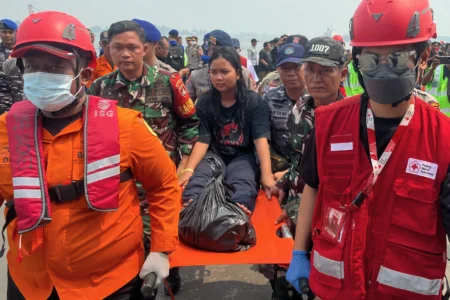
Jakarta, Indonesia — Cardinal Ignatius Suharyo, the senior archbishop of Jakarta and a prominent voice within the Indonesian Catholic Church, has publicly commended the government’s initial handling of a recent ferry disaster. In an interview with Crux Now, the cardinal highlighted the speed and coordination of emergency responders in the immediate aftermath of the tragedy. However, his praise came with a sharp caveat regarding the recurring nature of such accidents in the archipelago. Suharyo emphasized that while official responses are improving, the underlying human factors remain a critical vulnerability. He pointed to a pattern of negligence, inadequate safety checks, and systemic complacency that continues to threaten lives on Indonesia’s vital maritime routes. The cardinal’s comments reflect a growing frustration among religious and civic leaders who feel that public discourse often focuses too heavily on the spectacle of rescue operations while ignoring the preventable causes behind the disasters.
This incident is not an isolated event but part of a long and painful history of maritime accidents in one of the world’s largest archipelagic nations. Indonesia’s geography, comprising over 17,000 islands, makes sea transport an essential lifeline for millions of residents who rely on ferries for daily commutes, commerce, and trade. Despite the economic necessity of these vessels, the sector has long been plagued by poor infrastructure, aging fleets, and inconsistent regulatory enforcement. Safety standards often lag behind the rapid expansion of commercial traffic, leading to tragic outcomes when maintenance is skipped or capacity limits are exceeded. The recent ferry disaster underscores the urgent need for a cultural shift in how maritime safety is perceived and prioritized. It is not merely a technical issue but a societal one, where the value of human life must consistently outweigh economic efficiency or bureaucratic convenience.
The cardinal’s remarks arrive at a sensitive moment for the Indonesian government, which is under increasing pressure to demonstrate tangible improvements in public safety. Following the disaster, officials have pledged to conduct a thorough investigation into the root causes, including the condition of the vessel and the training levels of the crew. Independent experts and advocacy groups are already calling for stricter oversight and transparency in the findings. They argue that without accountable leadership and robust enforcement of existing laws, similar tragedies will inevitably repeat. The Church’s involvement adds a moral dimension to the political debate, framing safety not just as a regulatory requirement but as a fundamental ethical obligation. This perspective resonates with many Indonesians who have lost loved ones in previous maritime incidents and are demanding lasting change rather than temporary fixes.
Looking ahead, the outcome of the investigation will be crucial in determining whether meaningful reforms are implemented. Stakeholders are watching closely to see if the government will introduce mandatory safety certifications for all commercial ferries and establish independent bodies to monitor compliance. The next few weeks will likely see increased public scrutiny and potential legislative proposals aimed at tightening maritime regulations. For Cardinal Suharyo and other community leaders, the focus remains on the victims and their families, urging society to honor their memory through concrete action. The challenge for Indonesia is to transform its maritime sector from a source of frequent tragedy into a model of safe and reliable transport. Achieving this will require sustained political will, adequate funding, and a collective commitment to placing human safety at the center of national development.
Read Full Story at Crux Now →