Toxicology tests reveal Inca children used hallucinogens before sacrifices
Toxicology tests on Inca mummies reveal that children were given hallucinogens like cocaine and ayahuasca before being sacrificed in religious ceremonies, highlighting the cultural significance of th…
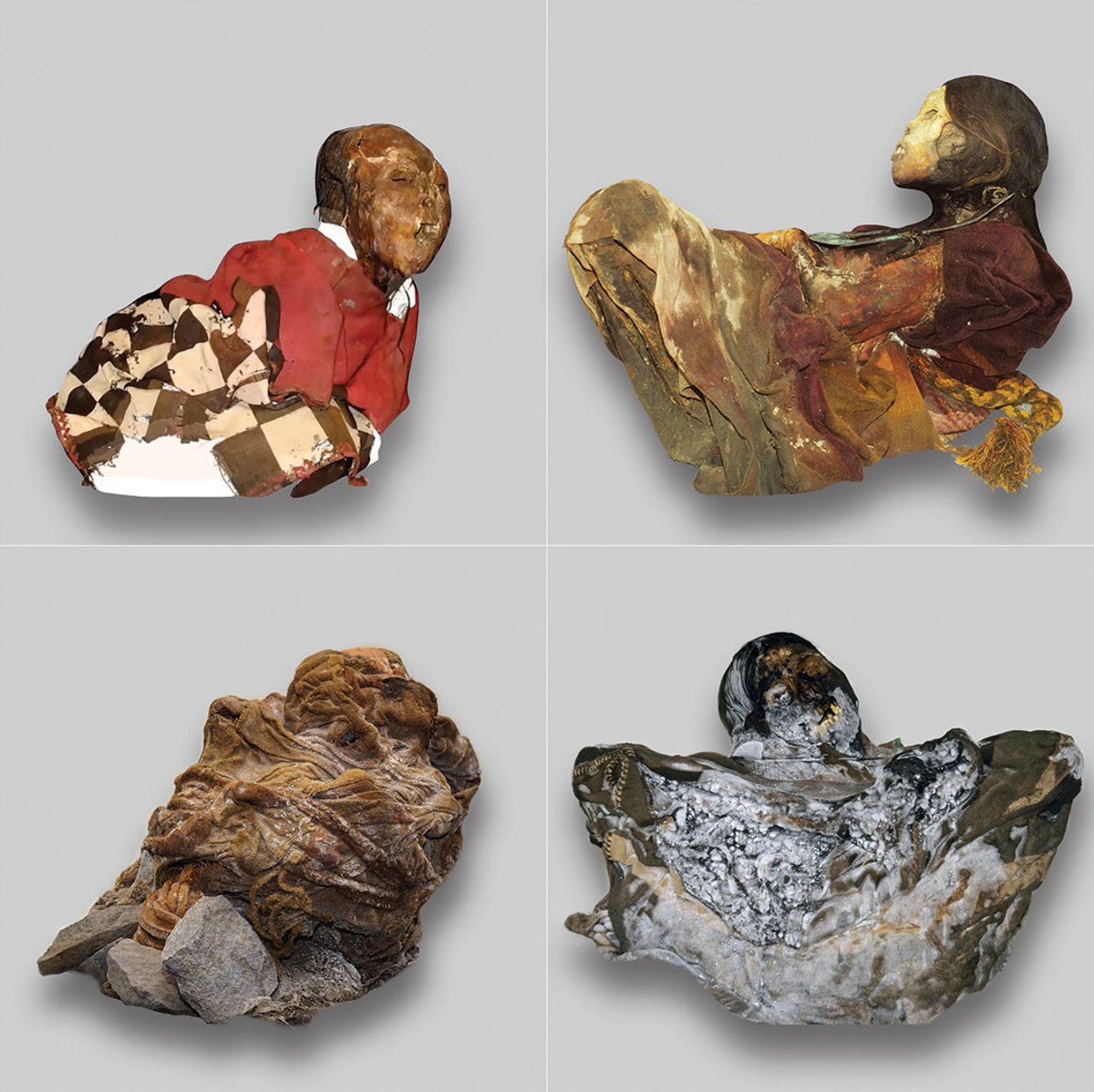
Recent toxicology tests on Inca mummies have revealed that children were administered hallucinogens, including cocaine and ayahuasca, before being sacrificed in religious ceremonies. These findings, published in Scientific American, illuminate the lengths to which the Inca society went to prepare these children for what was believed to be a sacred transition to the afterlife.
The practice of child sacrifice, known as capacocha, was a significant aspect of Inca culture, often performed during major events such as natural disasters or the death of an important leader. Archaeological evidence suggests that these sacrifices were seen as a way to appease the gods and ensure societal stability. Testing has shown that the children were not only given substances to induce altered states of consciousness but also alcohol, which was likely used to calm their fears before the ritual.
These discoveries are part of a broader effort to understand ancient civilizations' religious practices and social structures. The use of hallucinogens suggests that the Inca might have believed that these substances would enable the children to better communicate with the divine. The findings can reshape contemporary understandings of Inca spirituality and the psychological aspects of sacrificial rites.
Looking forward, these revelations could lead to deeper investigations into the role of hallucinogens in other ancient cultures. Understanding the Inca's use of these substances may offer insights into how they viewed life, death, and the afterlife. As researchers continue to analyze ancient remains, the dialogue surrounding the ethical implications of such practices in human history will also become increasingly relevant.
Read Full Story at Scientific American →