IMAX or LieMax? How to tell the difference
The IMAX logo doesn't always tell you what kind of screen or projector you're getting. The Odyssey has certainly thrust IMAX into the spotlight again, particularly if you've been seeking out one of …
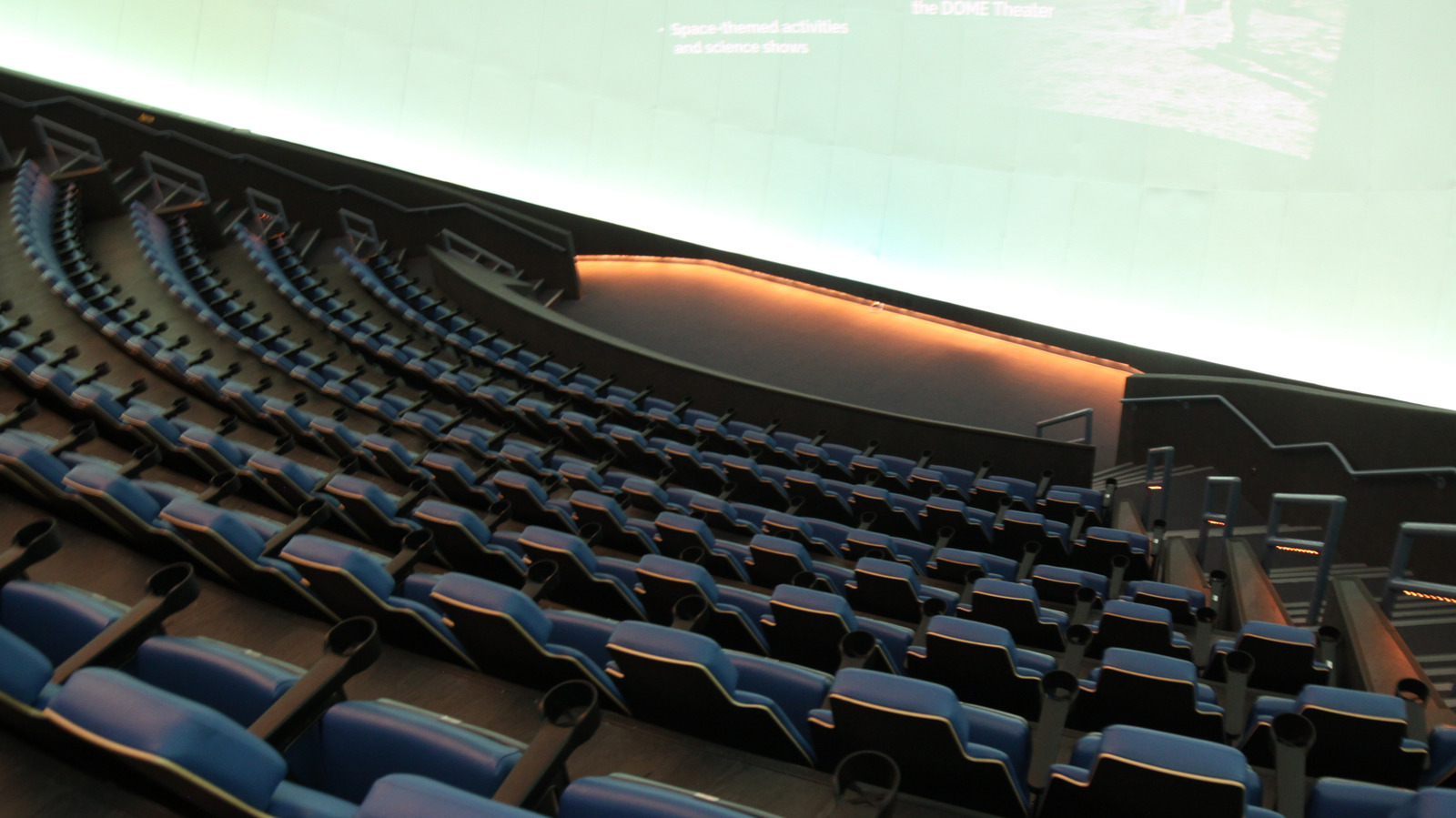
The IMAX logo doesn't always tell you what kind of screen or projector you're getting.
The Odyssey has certainly thrust IMAX into the spotlight again, particularly if you've been seeking out one of the few theaters that can screen Christopher Nolan's epic in 70mm IMAX . However, there's a catch behind that blue logo: two theaters that sell you an IMAX ticket can provide noticeably different experiences.
One could be a big 1.43:1 screen with 70mm film or dual-laser projection. Another could be a converted multiplex auditorium with a much wider and smaller screen. That mismatch gave rise to the "LieMAX" nickname.
It's not a formal format and IMAX definitely doesn't market any of its theaters as such. The nickname became popular in 2009 when movie fans griped that the newer IMAX Digital screens installed in multiplexes were not nearly as huge as the giant auditoriums they had come to associate with the brand. At the time, IMAX CEO Rich Gelfond acknowledged that the newer screens could be smaller, but said that screen size was just one part of the IMAX experience.
LieMAX has no technical specification, which is one of the reasons it is used so liberally. Three movie nerds may give you four different answers as to what counts.
15/70 film is at the top of the pile , and can fill a 1.43:1 IMAX screen. The closest digital equivalent is the dual-4K laser GT Laser, which can also project at 1.43:1 in appropriately equipped theaters.
Below that are CoLa (commercial laser) and XT, newer single-projector laser systems that typically have a maximum ratio of 1.90:1. Then there's IMAX Digital Xenon, the older dual-projector 2K system that helped IMAX proliferate in conventional multiplexes starting in 2008, and helped inspire the LieMAX nickname. It's got the same logo, but very different amount of wall.
The key thing is that a modern 1.90:1 laser theater is not necessarily what people originally intended to shame with the LieMAX name. Some fans employ the insult for just about anything that doesn't display 1.43:1, but the older Xenon systems on smaller screens are much closer to the format that led to the complaints in the first place.
Read Full Story at Engadget →