Iceland voters reject EU membership talks, 62% oppose government proposal
Iceland's voters rejected a government proposal to resume European Union membership talks, with approximately 62% opposing the idea in a recent referendum. The outcome reflects public concerns about …
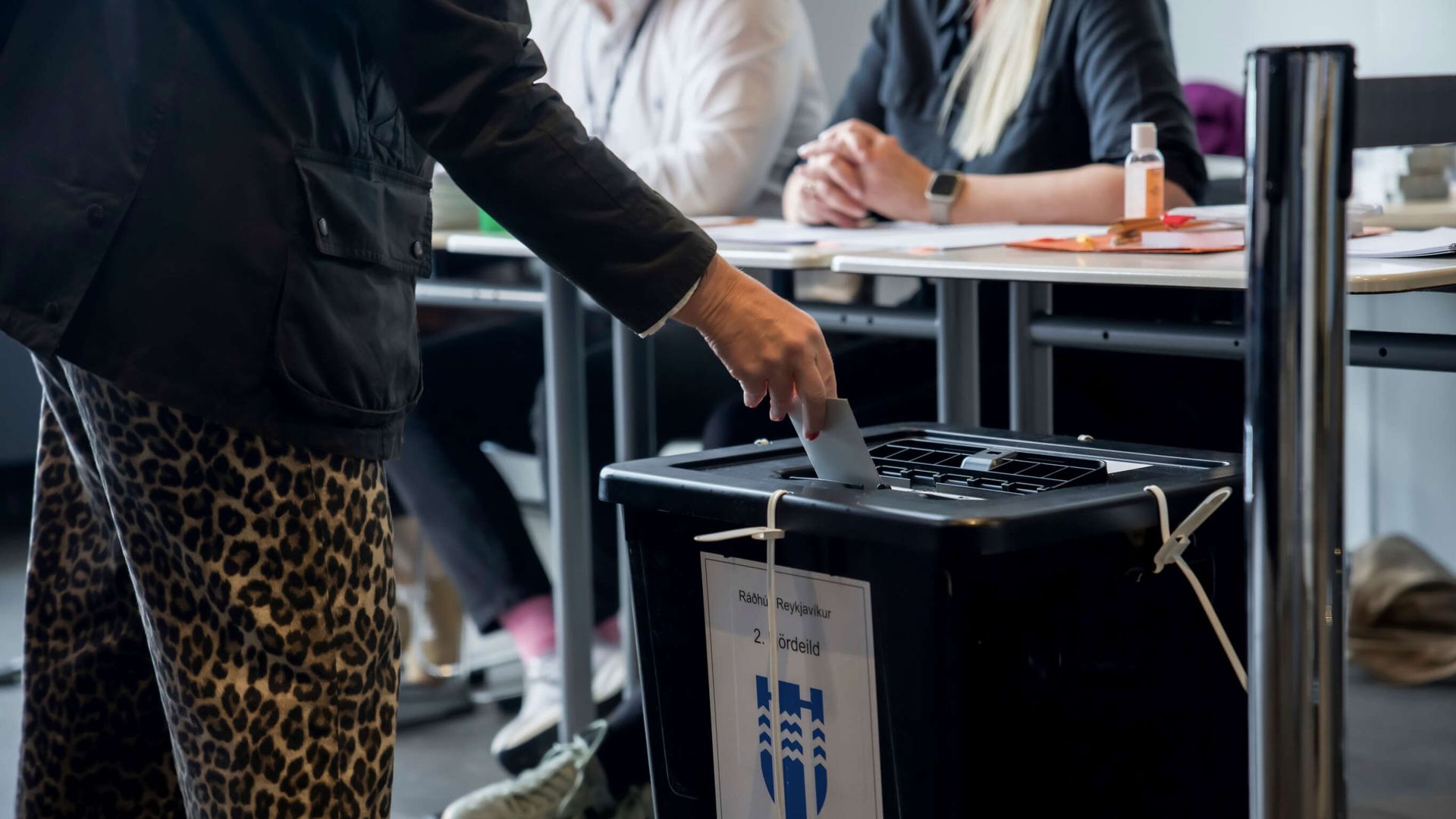
Iceland has voted against a government proposal to resume talks to join the European Union, as reported by the country’s public broadcaster. The decision was made during a national referendum held over the weekend, with a significant majority of voters rejecting the idea of pursuing EU membership.
This development comes amid growing concerns about the economic and political implications of EU membership for the island nation. Since 2009, when Iceland first applied to join the EU, the country has experienced a mix of economic recovery and political instability, particularly following the 2008 financial crisis. The current government, led by the Progressive Party and the Left-Green Movement, believed that resuming talks could bolster Iceland’s economy and strengthen its position within international affairs. However, public sentiment has shifted, with many Icelanders expressing apprehension about losing sovereignty and control over fishing rights, a crucial part of the national economy.
In the referendum, approximately 62% of voters opposed the proposal, reflecting a long-standing skepticism towards EU membership. Concerns over regulations that the EU might impose on Iceland's fishing industry, which accounts for a significant portion of the nation’s GDP, were prominent in the discussions leading up to the vote. Additionally, many Icelanders value the country’s independence and are wary of being bound by EU policies that may not align with national interests. The outcome highlights a growing divide between the government’s vision for deeper European integration and the public’s preference for maintaining autonomy.
Moving forward, Iceland’s government will need to reassess its approach to international relations and domestic policies. The rejection of EU talks may lead to a focus on strengthening bilateral relations with other nations and exploring alternative trade agreements. This decision also sends a clear message to other European nations about the complexities of integration and the importance of addressing public concerns. As Iceland navigates its next steps, the results of this referendum will likely shape future political discourse surrounding EU membership and economic policy for years to come.
Read Full Story at Sky News →