I wanted a clock that never needed setting. Things escalated.
Sure, maybe your clock has a backup battery, but mine has a deployment pipeline!
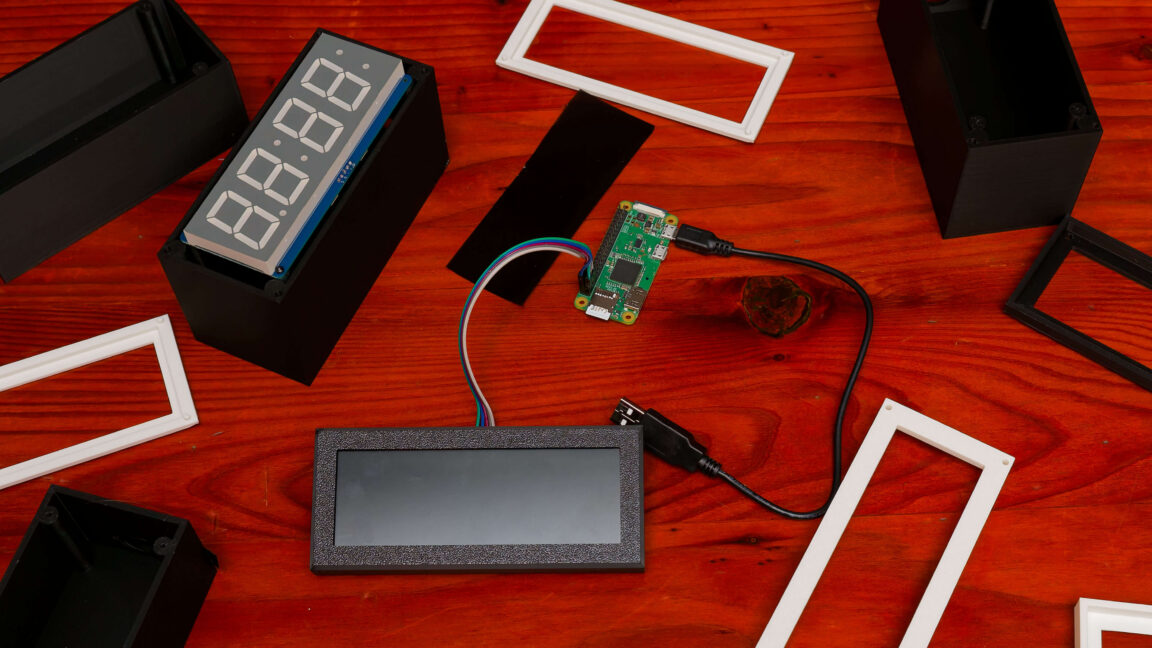
Sure, maybe your clock has a backup battery, but mine has a deployment pipeline!
This report comes from Ars Technica. The story centres on I wanted a
Read Full Story at Ars Technica →Why This Matters
The quest for a clock that requires no setting highlights the tension between our desire for simplicity in daily tasks and the complexities introduced by modern technology. As the integration of smart features into everyday objects becomes commonplace, it raises questions about dependency on technology and its reliability in our daily lives.
Background Context
The evolution of household items into smart devices reflects a broader trend toward automation and connectivity, driven by advances in the Internet of Things (IoT). Historically, clocks have been fundamental in maintaining our schedules, but the transformation of these devices into programmable entities illustrates a shift in consumer expectations for functionality and convenience.
What Happens Next
As more consumers seek out smart devices that promise ease of use, manufacturers will need to balance innovation with user-friendliness to avoid overwhelming users. Additionally, the introduction of complex features may lead to a market saturated with options, making it difficult for consumers to discern which products genuinely enhance their lives.
Bigger Picture
This situation mirrors a larger trend in consumer technology, where convenience often comes with a trade-off in complexity. As our reliance on technology grows, society must grapple with the implications of this dependency, particularly as it pertains to our understanding of time management and the tools we choose to assist us.