How Russia is luring foreign nationals to fight in Ukraine
Charles Mutoka, a 72-year-old Kenyan is in mourning for his son, Oscar Khagola Mutoka, a former soldier who traveled to Russia in the summer of 2025 to look for work. His father said that he had tried
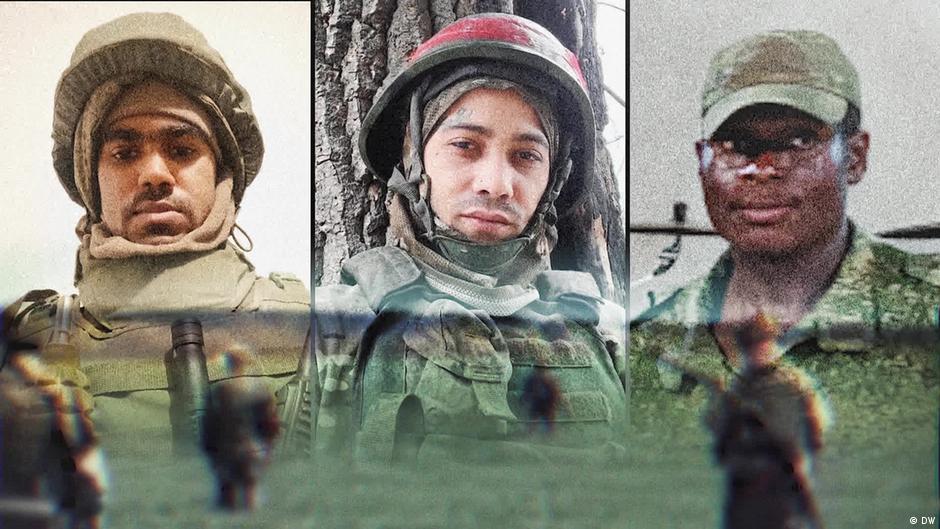
Charles Mutoka, a 72-year-old Kenyan is in mourning for his son, Oscar Khagola Mutoka, a former soldier who traveled to Russia in the summer of 2025 t
Read Full Story at DW World →Why This Matters
The recruitment of foreign nationals to fight in Ukraine underlines the shifting dynamics of modern warfare, where traditional boundaries are blurred by global participation. This phenomenon raises ethical questions about exploitation and the motivations driving individuals to join conflicts far from their homelands.
Background Context
Historically, foreign fighters have been drawn to various conflicts, often motivated by financial incentives or ideological beliefs. The ongoing war in Ukraine, exacerbated by geopolitical tensions, has created a unique environment where countries like Russia seek to bolster their military ranks through international recruitment, reflecting both desperation and strategic calculation.
What Happens Next
The recruitment of foreign fighters may lead to an increase in international scrutiny and condemnation of Russia’s tactics, potentially prompting responses from other nations. Additionally, as the war continues, the long-term psychological and societal impacts on families of these recruits could emerge as a significant concern, influencing public opinion and policy.
Bigger Picture
This trend aligns with a growing pattern of international involvement in regional conflicts, where diverse motivations—from economic necessity to ideological alignment—drive individuals to participate in foreign wars. As global conflicts evolve, the implications for national security and international law will become increasingly complex and contentious.