How lost shipping containers helped map the world’s ocean currents
Lost shipping containers serve as natural tracers that help scientists map global ocean currents. This accidental data improves predictions for pollution spread and reveals how oceans function as a co
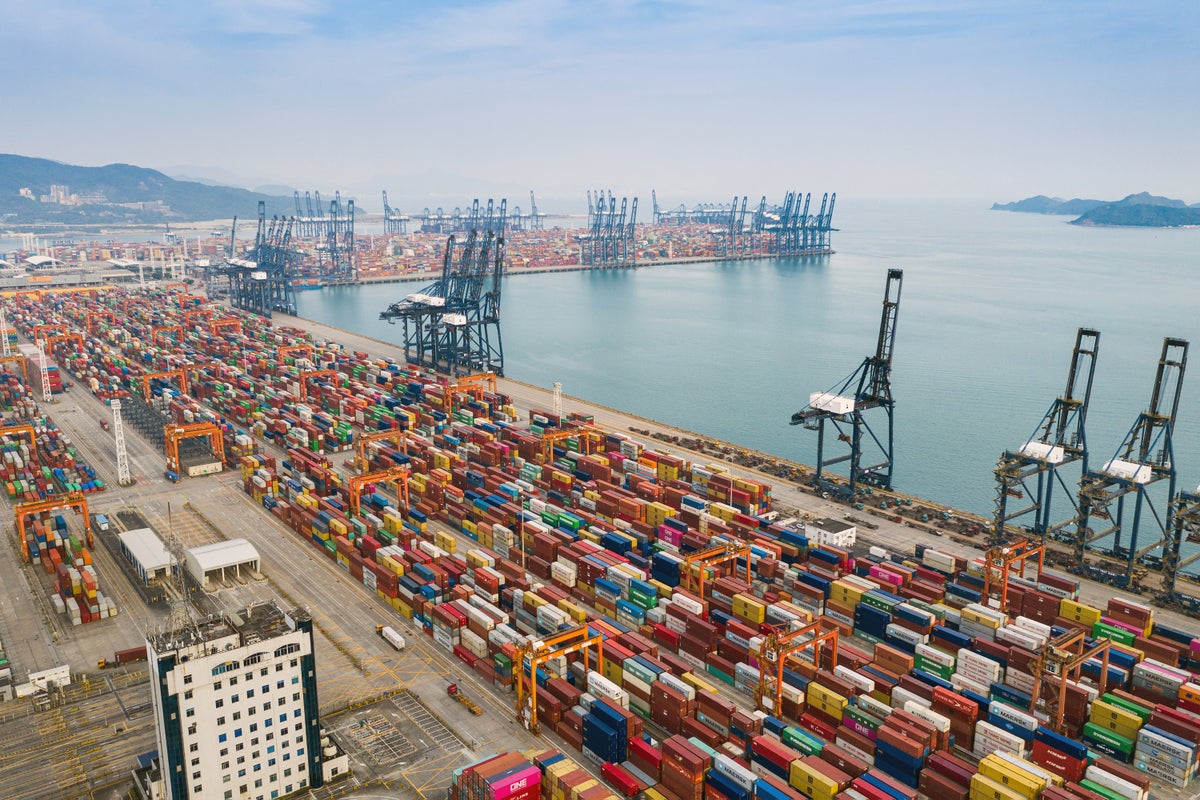
Thousands of steel shipping containers vanish into the ocean every year, but these massive logistical failures have accidentally become one of the mos
Read Full Story at Scientific American →Why This Matters
The accidental tracking of lost shipping containers provides an unexpected yet valuable tool for understanding ocean dynamics. As climate change and human activity increasingly impact marine environments, such insights are crucial for effective environmental management and pollution control.
Background Context
Shipping containers are frequently lost at sea due to rough weather and navigational challenges, with estimates suggesting thousands of containers are unaccounted for each year. Historically, ocean currents have been difficult to map accurately, often relying on limited data from buoys and ships, making this new method of tracking particularly significant.
What Happens Next
As scientists continue to analyze the paths of these lost containers, they may uncover new patterns in ocean currents that could inform climate models and pollution forecasts. Ongoing research might also lead to improved shipping logistics and disaster response strategies in the event of future container losses.
Bigger Picture
This phenomenon highlights the intersection of marine science and global logistics, showcasing how unexpected data sources can enhance our understanding of complex systems. As the shipping industry grows and environmental concerns mount, leveraging such innovative methodologies will likely become increasingly important for sustainable practices.