Study shows mountain lions reduce deer collisions by 76% in populated areas
Living near mountain lions can reduce vehicle collisions with deer by prompting deer to avoid populated areas and roads. A study found that regions with more mountain lions saw a 76% drop in such acc…
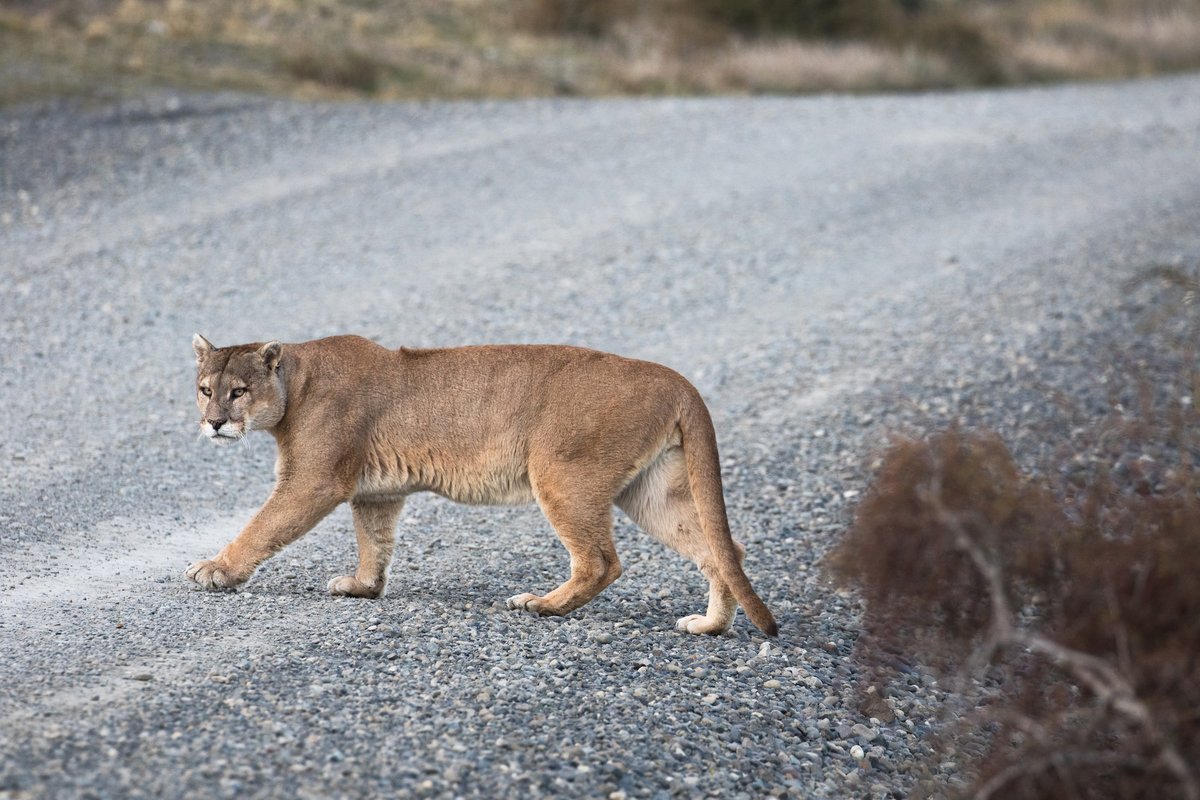
Living near mountain lions may actually enhance safety by reducing the risk of vehicle collisions with deer. A recent study published in Current Biology reveals that the presence of these large predators can significantly alter the behavior of deer and elk, steering them away from populated areas and roads, where accidents are more likely to occur.
This research is particularly timely as vehicle-deer collisions are a serious concern in the United States. Each year, over 1.5 million such incidents occur, resulting in more than 200 fatalities, tens of thousands of injuries, and billions of dollars in damages. With this backdrop, scientists aimed to investigate whether mountain lions could play a role in mitigating these accidents. Their findings suggest that the fear instilled by mountain lions leads prey animals to avoid roadways rather than simply decreasing their overall population.
The study involved data collected from 503 camera traps and 59 GPS collars tracking pumas in Washington State's Olympic Peninsula from 2020 to 2025. Researchers noted that in areas with a high presence of mountain lions, deer-vehicle collisions dropped by an impressive 76 percent compared to regions with fewer pumas. Rather than preying on deer, mountain lions prompted behavioral shifts that kept deer away from roads. The deer were found to retreat into more remote areas with thicker vegetation, providing them cover from predators and reducing their likelihood of crossing busy roads.
These findings highlight the complex interactions between large carnivores and their ecosystems. As urban development continues to encroach on wildlife habitats, understanding these dynamics could have significant implications for wildlife management and public safety. By recognizing the potential benefits of living alongside mountain lions, communities might be encouraged to adopt conservation measures that not only protect these predators but also enhance safety for residents.
Read Full Story at Scientific American →