Climate change increases malaria risk in East Africa
Climate change is shifting malaria risk in Africa, making southern and East African highlands newly vulnerable while reducing risk in some West African areas. Malaria control efforts must adapt by mo…
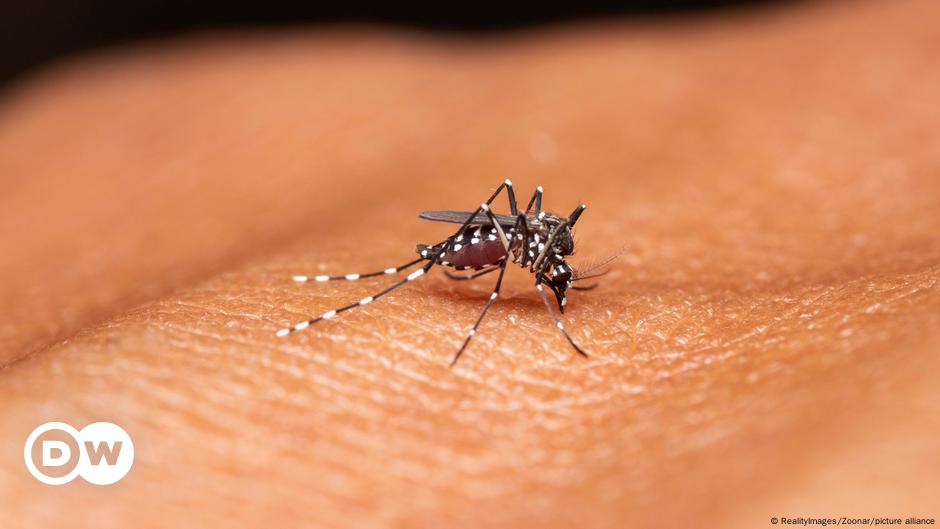
Climate change is quietly shifting the map of malaria risk across Africa, putting new areas at risk while old hotspots cool off.
For decades, malaria control has focused on West and Central Africa, where the disease kills nearly 95% of the world’s victims. Nigeria, the Democratic Republic of Congo and Niger together account for over half of all malaria deaths in the region. Children under five are especially vulnerable, making up about three-quarters of those deaths. The World Health Organization has pushed wider use of the RTS,S/AS01 malaria vaccine in moderate-to-high transmission zones, where the Plasmodium falciparum parasite spreads through bites of infected Anopheles mosquitoes.
But rising temperatures are rewriting the rules. Research in Nature shows malaria transmission peaks around 25°C and stalls below 16°C or above 34°C. Historically, West and Central Africa sat in the sweet spot. Now, southern Africa and East Africa’s highlands—once too cool for the mosquito’s life cycle—are warming into risk zones. At the same time, some parts of West Africa are heating past the parasite’s comfort zone. “Climate change is not just warming the continent; it’s redistributing the risk,” says Olugbenga Mokuolu, a professor of paediatrics at Nigeria’s University of Ilorin.
The shifts complicate malaria control. In April 2025, WHO warned that funding cuts have already disrupted services in more than half of endemic countries. Yet the vaccine offers hope: pilot programs in Ghana, Kenya and Malawi cut all-cause child mortality by 13.2%. As regions warm unevenly, health systems must adapt—monitoring new hotspots, scaling prevention in newly vulnerable zones and protecting gains where malaria may fade. The challenge is no longer just fighting the disease, but catching it as it moves.
Read Full Story at DW World →