How China buried Tibet flood images after Nepal disaster
When a catastrophic flash flood swept through the rugged China-Nepal border on August 26, the physical devastation was immediate. In Nepal , a black torrent of mud and rock tore through communities,…
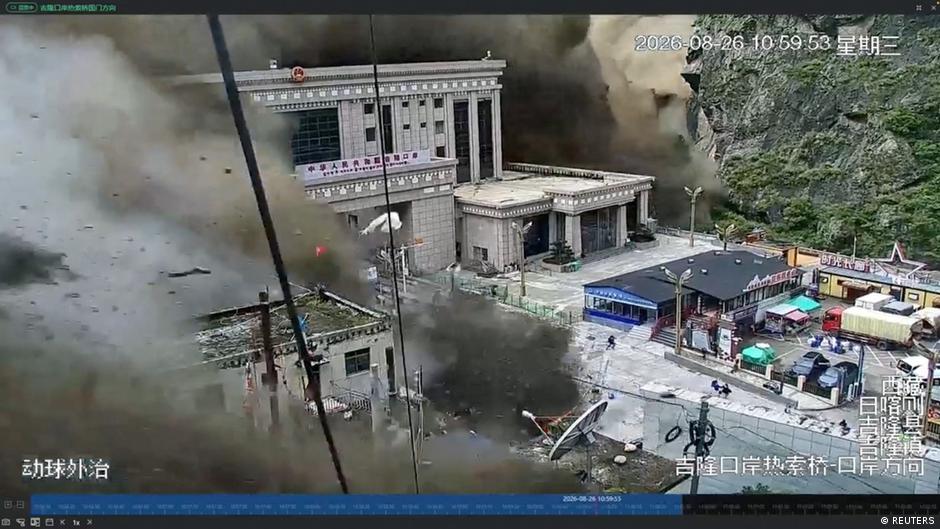
When a catastrophic flash flood swept through the rugged China-Nepal border on August 26, the physical devastation was immediate.
In Nepal , a black torrent of mud and rock tore through communities, leaving hundreds dead and thousands more missing along the borderlands.
But across the frontier in Tibet, an autonomous region of China , the physical disaster was almost instantly followed by a digital one: the rapid, high-tech erasure of the catastrophe's visual evidence.
As survivors tried to upload raw footage of the deluge, China's state-backed information control apparatus swung into action, executing a sophisticated, precision operation to shape the public narrative and bury inconvenient truths.
The contrasting realities — a tragic humanitarian crisis in Nepal and a tightly sanitized, triumphant rescue narrative in China — reveal the evolving mechanics of Beijing's modern censorship machine.
Rather than imposing a blunt, blanket blackout, authorities deployed advanced image-recognition technology and "saturated information" tactics to drown out domestic scrutiny while deflecting diplomatic friction abroad.
In the immediate aftermath of the flood-triggered mudslide, local residents captured dramatic footage of the torrent engulfing Gyirong Port, a critical overland trade hub between China and Nepal.
The most striking video showed a black wall of water and debris crashing into and destroying the "national" border gate.
Read Full Story at DW World →