60% of people open to using humanoid robots for household chores
Humanoid robots are increasingly being adopted for household chores, with options ranging from affordable cleaners to high-end models, reflecting a growing interest in automation. About 60% of people…
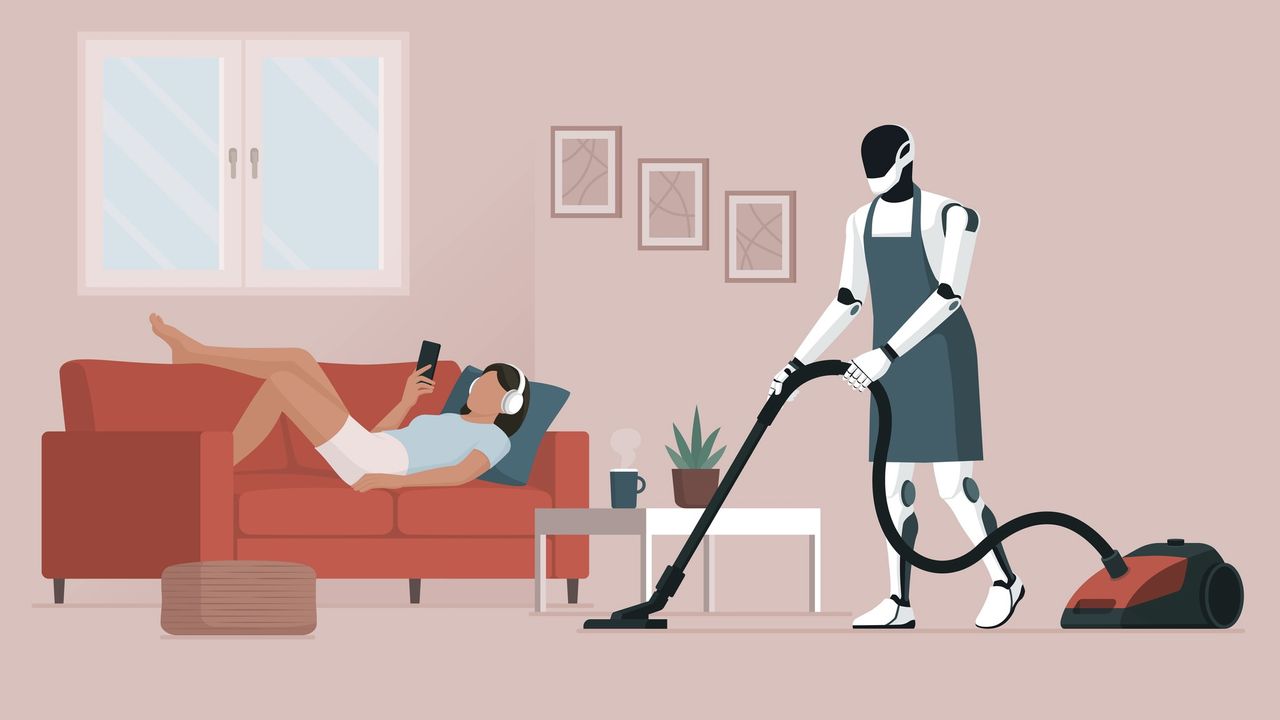
Humanoid robots are increasingly being integrated into households, offering services ranging from cleaning to companionship. The trend is gaining momentum as technology advances, with options available from $30-an-hour cleaners to high-end models costing around $20,000. This shift is prompting discussions about the role of robots in domestic life and whether people would be comfortable allowing them to take on household chores.
The rise of humanoid robots comes amid growing interest in automation and artificial intelligence. As many people return to work after the pandemic, concerns about time management and household responsibilities have heightened. The demand for solutions that can ease these burdens has led tech companies to invest heavily in developing robots that can perform everyday tasks. These advancements promise not only to save time but also to enhance the quality of life for busy families and individuals.
Public opinion on this topic is divided. Some embrace the idea of robots helping with chores, viewing them as efficient and reliable assistants. Others express concern over privacy, safety, and the potential loss of human jobs. According to a recent survey, nearly 60% of respondents are open to the idea of a robot cleaner, while about 40% remain skeptical. This mixed sentiment highlights the need for further discussion and education about how these technologies work and their implications for society.
Looking ahead, the future of humanoid robots in homes seems promising but complex. As manufacturers continue to refine their products, consumer feedback will play a crucial role in shaping their development. Companies may need to address concerns about security and ethics to gain broader acceptance. The ongoing evolution of these robots could redefine household dynamics, making it essential for society to engage in conversations about our relationship with technology and its influence on daily life.
Read Full Story at Live Science →