Has the economy gone C-shaped?
Today's economy is brought to you by… the letter K! Or is it C? Or … well, it depends on who you talk to about how the rich and poor are doing these days. You've probably heard about " the K-shaped …
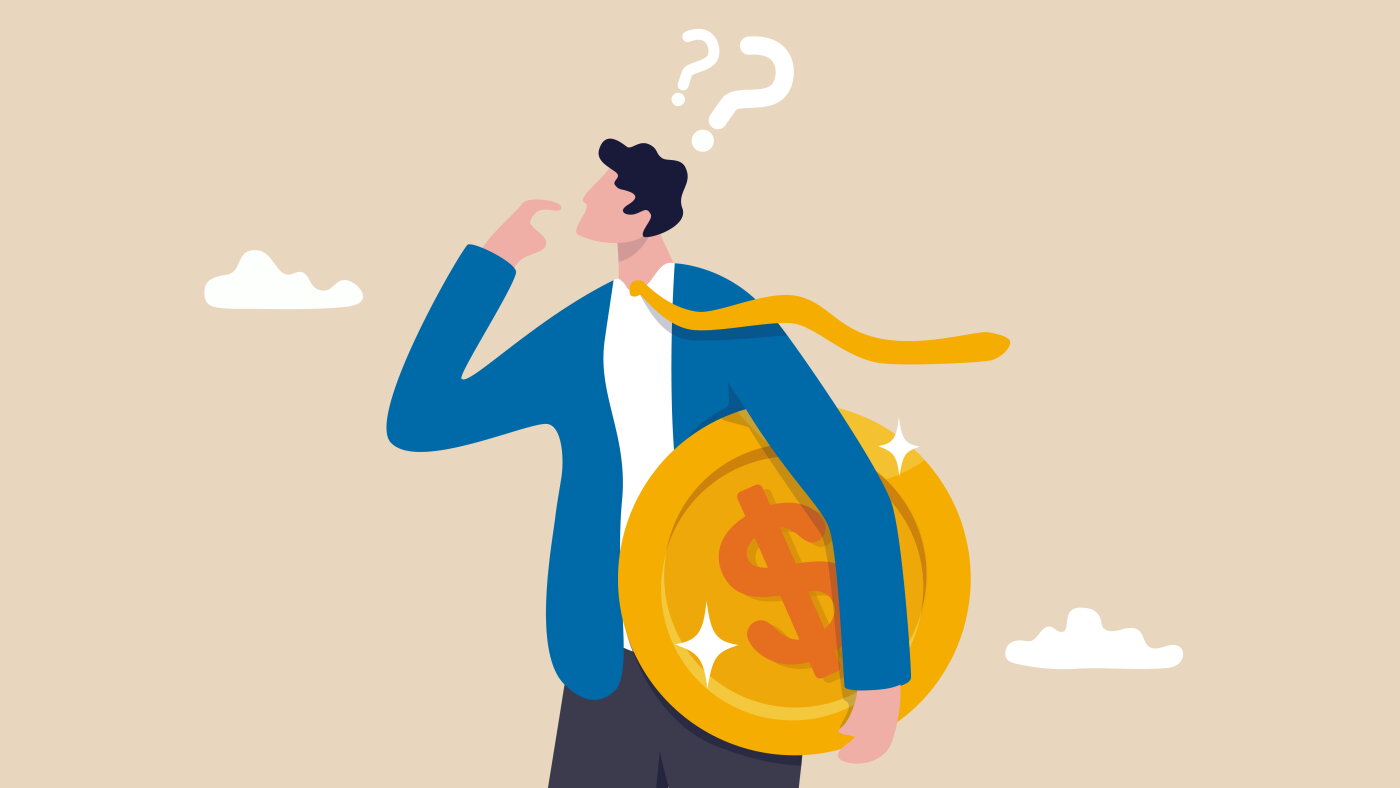
Today's economy is brought to you by… the letter K! Or is it C? Or … well, it depends on who you talk to about how the rich and poor are doing these days.
You've probably heard about " the K-shaped economy. " When people talk about it, they generally mean that inequality is widening (and the fortunes of the rich and poor are diverging, so it looks like the right side of the K). Recently, Treasury Secretary Scott Bessent said he was "sick of hearing about this K-shaped economy." And, he said, he believed the better letter to describe it was a C, which is, shall we say, a more optimistic letter for how lower- and middle-class Americans are faring in today's economy.
This desire to Sesame Street the economy isn't a surprise: we're always looking for ways to shorthand or telegraph the essence of what's going on in the economy at any given time. But assigning something as basic as a letter to something as complicated as the economy seems way too reductive. Even for Planet Money! So how did we get here?
Mike Strain of the American Enterprise Institute says people started talking about a K-shaped economy around 2020, when the effects of the pandemic — and the government's response — began to show through. It was pretty simple, really:
" The original usage of the term K-shape meant that the poor were getting poorer at the same time that the rich were getting richer."
Initially, the term didn't get much play. Temporary federal relief programs were pumping money into the economy, offsetting a lot of the damage being done by lockdowns and layoffs and business closures. All of which affected poorer Americans most. So while people at the bottom end of the economy were hit hard during Covid, it wasn't so obvious at first.
But as the government's stimulus programs began to end, those less wealthy Americans began to feel the pain. Poverty rates cranked up, from 7.8% in 2021 to 12.4% in 2022 . At the same time, the richest 10 percent of Americans were getting richer. Government stimulus and interest rate cuts juiced the stock market, which benefited the people who owned most of those stocks: the wealthy.
To a lot of econ watchers, this bifurcation in the fortunes of the haves and the haves-less looked like the letter K. It was appealingly simple. Rich up: poor down. And before long, we started to hear about the K-shaped economy everywhere. Including on NPR . A lot . But Mike Strain says almost as soon as 'K-shaped' became a relevant term to describe what was happening in the economy, people began abusing it.
Read Full Story at NPR News →