Guinea-Bissau referendum grants president sweeping powers
Guinea-Bissau’s referendum approved a new constitution giving the president sweeping powers, including appointing the prime minister and reducing parliament seats, just weeks before delayed elections…
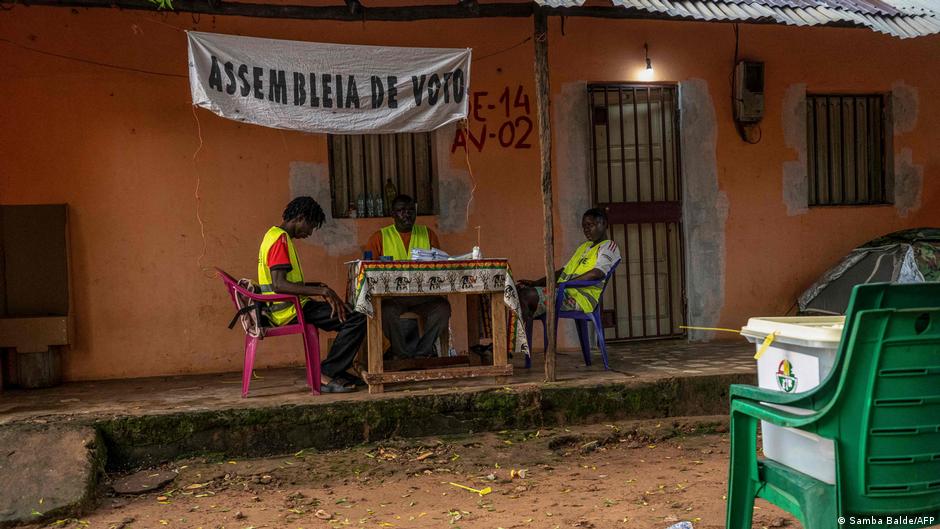
Voters in Guinea-Bissau have approved a controversial referendum giving the president sweeping new powers just weeks before the country’s delayed elections. Sunday’s vote, held under tight military oversight, replaces the existing constitution with a system that hands the president the right to appoint and dismiss the prime minister and cabinet while slashing parliament from 102 seats to 65. The changes come less than ten months after a military coup unseated the elected government and three months before the planned December 6 presidential and parliamentary elections.
Transitional authorities claim the reforms will bring stability to one of West Africa’s poorest nations and pave the way back to civilian rule. On Monday the National Transitional Council declared victory for the “Yes” side, with spokesman Alberto Pinto Pereira saying the majority of those who voted supported the changes. The National Electoral Commission confirmed the result Tuesday, reporting 70 per cent in favour versus 30 per cent against and turnout above 50 per cent. Commission chair Carmen Izaura Lobo praised the “organizational capacity, professionalism and dedication” of the teams running the poll and called the process “transparent” and “credible.”
Opposition parties reject the referendum as illegitimate, arguing it was organised by institutions born out of last year’s coup. Domingos Simoes Pereira, leader of the African Party for the Independence of Guinea and Cape Verde (PAIGC) and a former presidential candidate now under house arrest, told DW the transitional bodies have no democratic mandate to rewrite the constitution. Fernando Dias Costa, runner-up in the annulled 2025 presidential race, disputed the turnout figures, telling reporters only a handful of citizens participated and warning the vote amounted to a continuation of the coup. “They are not prepared to accept political changes that are clearly unconstitutional and have not been publicly debated,” he said.
If implemented, the new charter would create one of the strongest presidencies in West Africa, allowing the head of state to dissolve parliament and install governments without legislative approval. Supporters say decades of gridlock between presidents, prime ministers and lawmakers demand a stronger executive. Critics counter that the changes concentrate power in the hands of a military-backed leadership and risk deepening instability ahead of next month’s elections. The outcome leaves Guinea-Bissau on a knife-edge between democratic restoration and authoritarian drift.
Read Full Story at DW World →