Google DeepMind launches WeatherNext 3, improving forecasts with live satellite data.
Google DeepMind has launched WeatherNext 3, an AI-powered weather model that utilizes live satellite data for more accurate forecasts, particularly benefiting industries like renewable energy and agr…
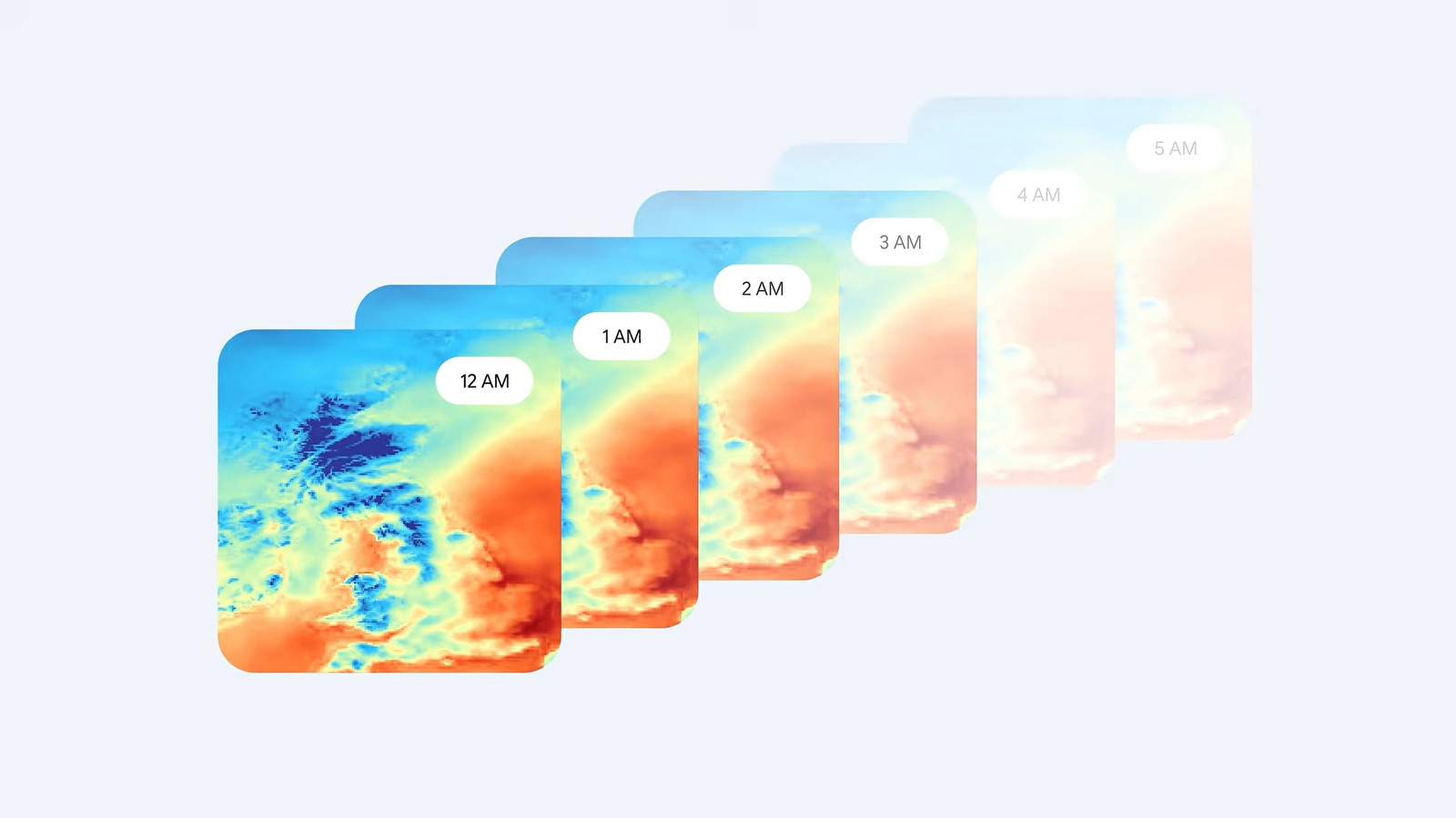
Google DeepMind has launched WeatherNext 3, an advanced AI-powered weather model that promises to deliver highly detailed forecasts. This new model, introduced recently, enhances predictions for temperature, moisture, and wind speed, making it particularly beneficial for industries like renewable energy. With its ability to forecast wind speeds at turbine height, WeatherNext 3 aims to improve the efficiency of wind and solar energy production.
The development of WeatherNext 3 comes at a time when the demand for accurate weather forecasts is increasing. Many sectors, including agriculture and renewable energy, heavily rely on precise weather data for operational efficiency. Unlike its predecessor, WeatherNext 2, which used a 25-kilometer grid, the new model employs a 5-kilometer grid for hourly forecasts. This significant enhancement stems from its use of live satellite data, giving it a continuously updated view of atmospheric conditions. The model also integrates sparse weather station data, allowing for better accuracy in variables like humidity, which can fluctuate dramatically over short distances.
DeepMind claims that WeatherNext 3 can produce precipitation forecasts that are up to 50 percent more accurate than previous models. The integration of precipitation data from NASA and Google's satellite analysis has improved predictions for rain and snow, especially in areas where forecasts have historically been unreliable. This advancement is crucial for sectors that depend on accurate weather information, such as agriculture and disaster management.
WeatherNext 3 will be integrated into various Google services, including Search, the Gemini app, Google Maps, and the Google Earth Engine. Users can test the model through the Google Weather Lab, while developers can access the original WeatherNext model, which became open-source in August 2026. This move shows Google's commitment to enhancing weather forecasting technology and making it accessible for broader applications.
Read Full Story at Engadget →