AfD secures 27% in Saxony-Anhalt elections, reflecting rising far-right influence
The far-right Alternative for Germany (AfD) party won approximately 27% of the votes in the Saxony-Anhalt elections, reflecting its growing influence amid voter discontent over immigration and econom…
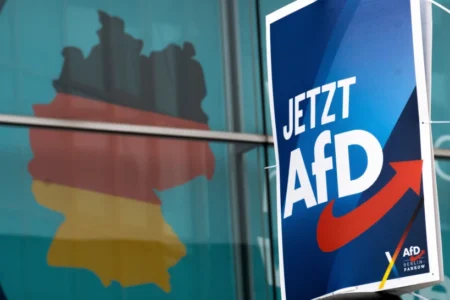
The Alternative for Germany (AfD) party has secured a significant victory in the recent local elections in Saxony-Anhalt, marking a notable shift in the region's political landscape. This win underscores the party's growing influence amid rising concerns over immigration, economic instability, and dissatisfaction with established political parties. The elections took place on Sunday, drawing attention as the far-right party continues to gain traction in a country still grappling with its historical ties to extremism.
The local church has been vocal in its opposition to the AfD, warning about the dangers of far-right ideologies gaining political power. Their consistent efforts to raise awareness about the party's platform reflect broader national anxieties about the resurgence of extremist views in Germany. The church's warnings come amid a backdrop of increasing polarization in German society, exacerbated by the economic fallout from the COVID-19 pandemic and ongoing debates over immigration policy. These factors have created fertile ground for the AfD to appeal to voters who feel neglected by traditional parties.
In the Saxony-Anhalt elections, the AfD garnered approximately 27% of the votes, a significant increase from previous elections. This result is part of a broader trend across Germany, where the AfD has managed to capture the discontent of voters frustrated with rising living costs and perceived threats to German identity. The party's platform emphasizes strict immigration controls and a nationalist agenda, resonating with many constituents in regions like Saxony-Anhalt, which have faced economic challenges and demographic changes.
Looking ahead, the AfD's victory may embolden similar far-right movements in other parts of Germany and Europe. This election result will likely prompt established parties to reassess their strategies in addressing the concerns of disenchanted voters. As the country prepares for upcoming federal elections, the implications of this local win could reshape political alliances and influence public discourse, particularly regarding immigration and national identity. The church and other civic organizations may intensify their efforts to counter the AfD's influence, setting the stage for a contentious political battle in the months to come.
Read Full Story at Crux Now →