Judge blocks New York’s Climate Change Superfund Act
A federal judge struck down New York’s Climate Change Superfund Act, ruling it conflicts with federal law like the Clean Air Act, blocking fossil-fuel companies from paying for state climate projects…
A federal judge has struck down New York’s Climate Change Superfund Act, ruling that it conflicts with federal authority. The law, signed in 2021, would have forced fossil‑fuel companies to pay for the state’s climate‑adaptation projects. The judge said the act intrudes into areas where federal law dominates. He also noted that the law could create a patchwork of state mandates that clash with national regulations. The decision was issued by U.S. District Judge James E. McGowan in Albany.
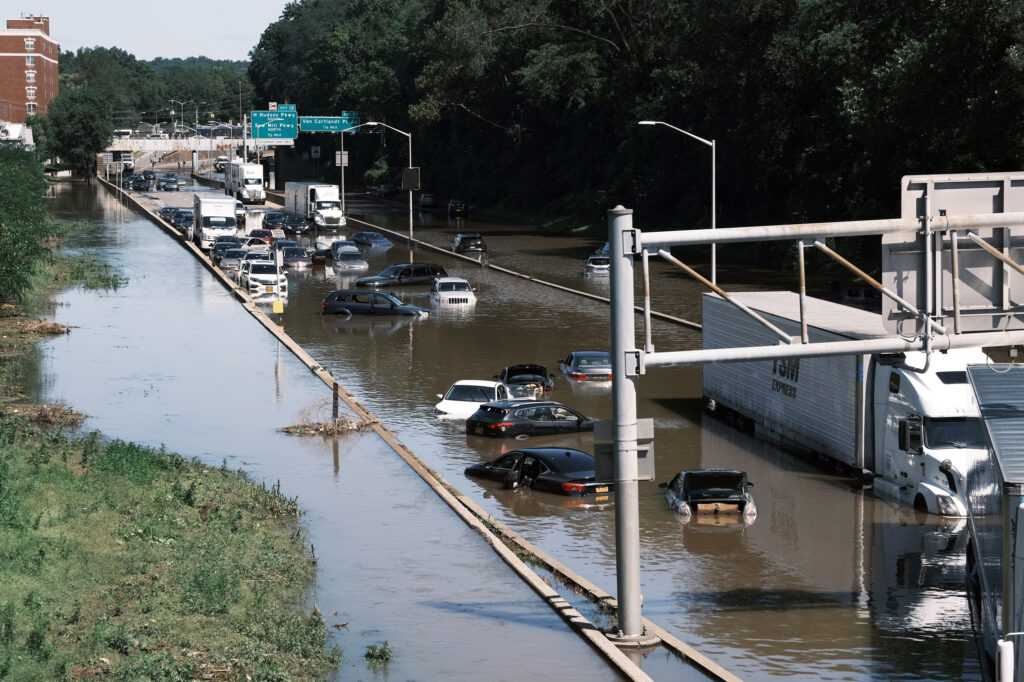
New York lawmakers introduced the act in response to rising sea levels, flooding and heat waves that threaten the city and the state’s economy. The bill aimed to hold the companies that produced the carbon that drives climate change accountable for the damage they cause. By earmarking a portion of their taxes for adaptation, the state hoped to build stronger flood walls, upgrade power grids and protect coastal communities. The plan also sought to reduce the state’s long‑term climate costs.
In his ruling, Judge McGowan cited the Clean Air Act and federal preemption doctrine. He said the state cannot impose new taxes or fees on businesses that are already regulated by federal law. The judge also warned that the law could lead to double‑dipping, where companies would face both state and federal penalties. The New York Department of Environmental Conservation said the decision is a setback but will appeal. Fossil‑fuel companies, meanwhile, welcomed the ruling as a protection of their interests.
The case will now move to the Second Circuit Court of Appeals, where a panel will decide if the state can enforce its own climate‑funding scheme. If the appeal fails, the law will be permanently invalidated. The ruling could influence other states that are drafting similar legislation. It also underscores the tension between state initiatives and federal environmental policy. The outcome will shape how climate adaptation costs are shared across the country.
Read Full Story at Inside Climate News →