Federal judge orders Trump administration to restore $7 billion in clean energy grants
A federal judge ruled the Trump administration unlawfully canceled $7 billion in Solar for All grants by failing to follow required legal procedures. This decision forces the administration to restor…
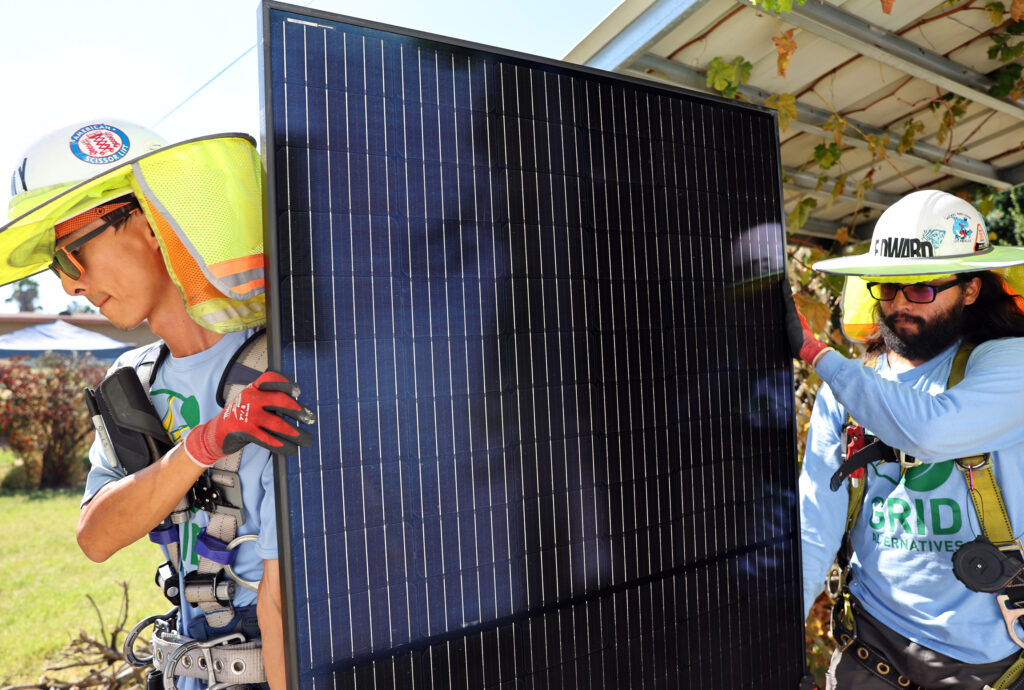
A federal judge in Washington, D.C., has ruled that the Trump administration acted unlawfully when it abruptly canceled $7 billion in grant funding for clean energy projects. The decision strikes down the termination of the Solar for All program, a cornerstone initiative established under the Inflation Reduction Act during the previous administration. By declaring the cancellations invalid, the court effectively forces the current administration to either restore the funds or face further legal consequences for violating due process and statutory requirements embedded in the law.
This ruling brings a temporary halt to a broader effort by the current administration to dismantle federal climate initiatives. The Solar for All program was designed to target disadvantaged and low-income communities, providing capital for states, municipalities, tribes, and nonprofits to install solar energy systems. These projects aimed to reduce electric bills, improve air quality, and create local jobs in sectors that had historically excluded these populations. The administration argued that the grants were wasteful and misaligned with current policy priorities, but the judge found that the department lacked the legal authority to terminate the funds without adhering to specific procedural steps and without justifying the action under the original statute.
The financial and social stakes are significant. The $7 billion in funding was already allocated to specific states and organizations that had completed the rigorous application process. Many of these recipients, including public utilities and community development financial institutions, had already begun planning or even breaking ground on projects. The sudden withdrawal of funds left these entities in a precarious position, with contracts signed and timelines stalled. Legal experts note that this decision highlights the tension between executive power and legislative intent. When Congress passes a law with specific appropriations, the executive branch cannot simply ignore those directives based on political disagreement without facing judicial scrutiny.
What happens next remains uncertain but is likely to involve continued litigation. The administration has the option to appeal the decision to the Court of Appeals for the District of Columbia Circuit, which could take months or even years to resolve. During this interim period, the grants remain legally active, but the lack of clarity may deter further investment from private partners who rely on federal matching funds. For the communities involved, this victory offers a brief reprieve, but the long-term survival of these projects depends on the political and legal landscape. The case also serves as a precedent for other federal programs targeted for cancellation, signaling that courts may intervene when executive actions appear to bypass congressional mandates.
Read Full Story at Inside Climate News →