FDA approves landmark pancreatic cancer drug that's shown to improve survival
FILE - A sign for the U.S. Food and Drug Administration is displayed outside their offices in Silver Spring, Md., Dec. 10, 2020. (AP Photo/Manuel Balce Ceneta, File) Manuel Balce Ceneta/AP hide capti…
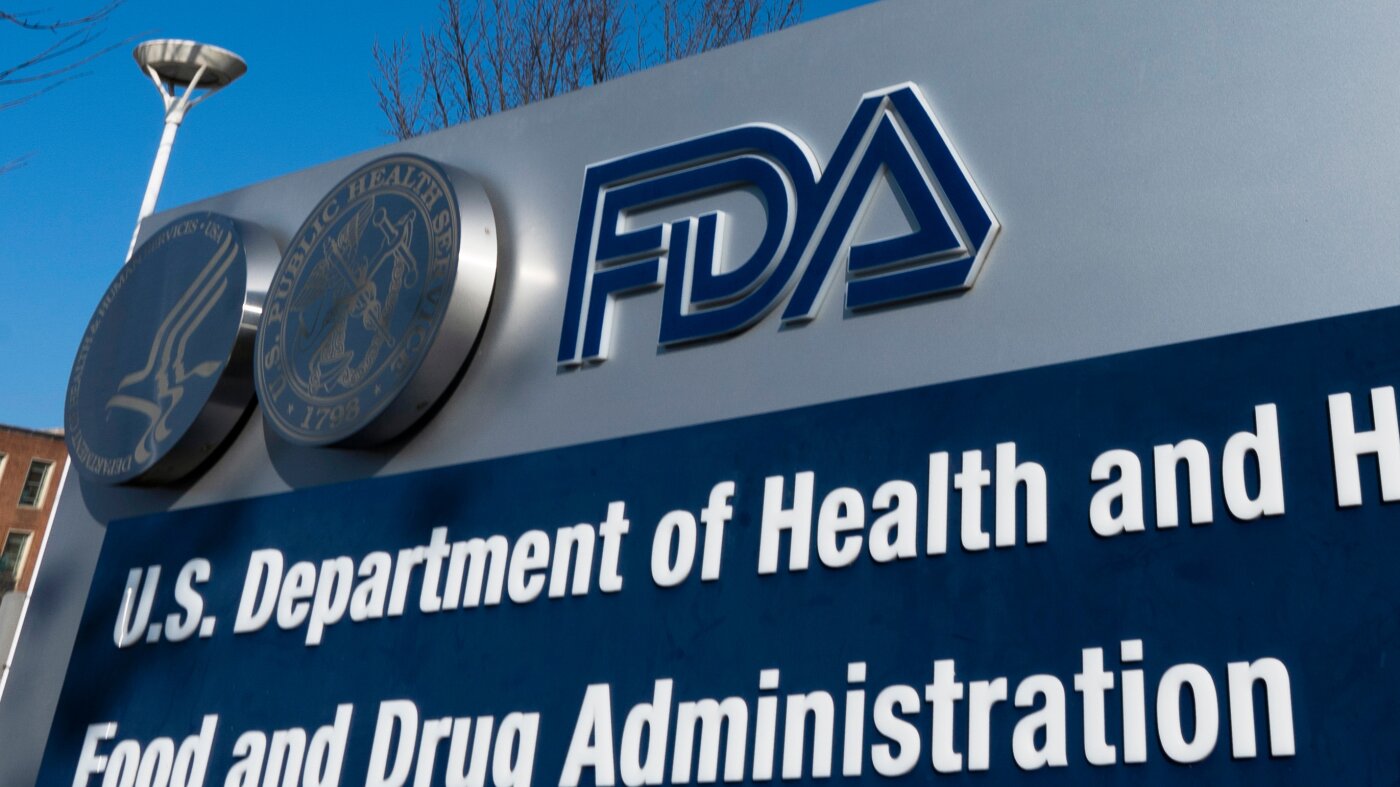
FILE - A sign for the U.S. Food and Drug Administration is displayed outside their offices in Silver Spring, Md., Dec. 10, 2020. (AP Photo/Manuel Balce Ceneta, File) Manuel Balce Ceneta/AP hide caption
The Food and Drug Administration on Wednesday approved a groundbreaking new drug for advanced pancreatic cancer, offering U.S. patients a more effective treatment against one of the deadliest types of cancer.
FDA officials gave expedited approval to the first-of-a-kind pill, called daraxonrasib, which blocks a mutated protein that fuels tumor growth in more than 90% of pancreatic cancer cases. It's an approach that previously eluded drugmakers for decades.
The daily pills will be sold by Revolution Medicines under the brand name Rasonque. A one-month supply would cost approximately $39,800, the company announced.
Patients taking the drug nearly doubled their survival time, with fewer severe side effects, in a study that randomly assigned them to receive the experimental treatment or more chemotherapy. The company-funded study enrolled 500 patients whose metastatic, or spreading, cancer had quit responding to prior treatment.
Patients getting the new treatment lived for a median of 13.2 months compared with 6.7 months for chemotherapy recipients. Side effects included skin rash, mouth sores, diarrhea and other digestive issues.
"This is one of the most anticipated approvals I can think of," said Dr. Andrew Coveler of the Fred Hutch Cancer Center. "This medicine is not a cure but a significant improvement."
Pancreatic cancer is among the most deadly forms in large part because it is hard to detect before it starts spreading to other organs. The American Cancer Society estimates about 67,000 new cases will be diagnosed in the United States this year and more than 52,000 people will die from the disease. The five-year overall survival rate is 13%.
Read Full Story at NPR News →