Farmers and advocates blame financiers for global food system failure
Farmers and advocacy groups are blaming financiers for a failing global food system, citing record-high food prices and supply chain disruptions. A coordinated statement warns that speculative invest…
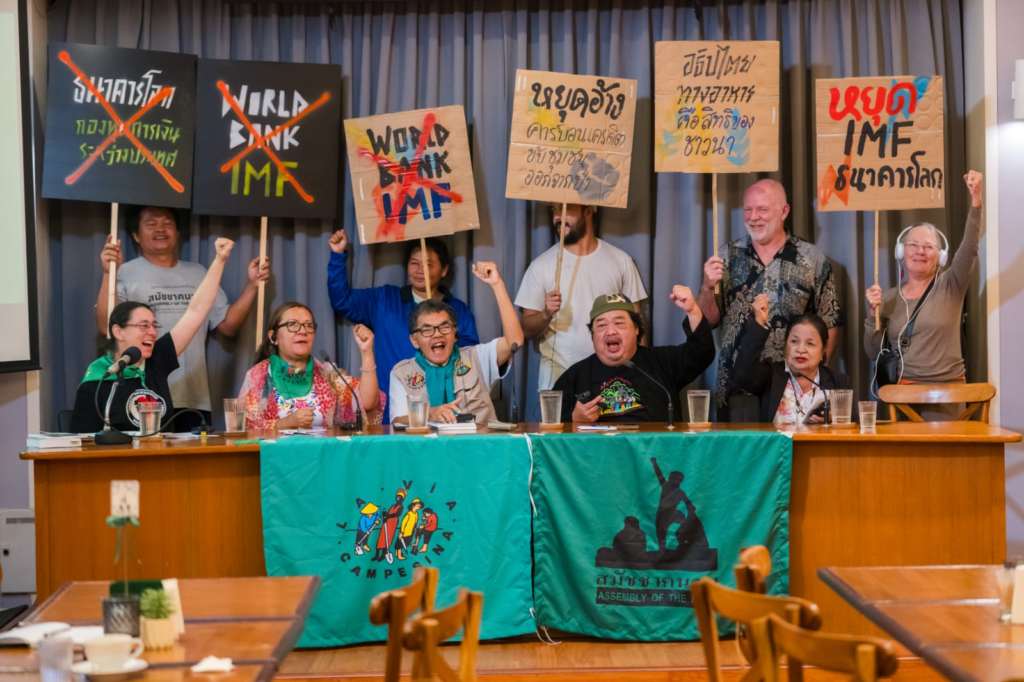
Farmers and advocacy groups around the world are blaming financiers for a global food system that is “failing at the seams” as record‑high food prices, supply‑chain snarls, wars and extreme weather converge in 2026. In a coordinated statement released on 22 October, the International Federation of Agricultural Producers, the African Farmers’ Union and several European consumer NGOs warned that public and private money is propping up an architecture that rewards speculation more than sustainable production.
The warning comes after a cascade of shocks that have strained every link in the food chain. The Russia‑Ukraine war has cut grain supplies from two of the world’s biggest exporters, while droughts in East Africa and floods in South‑East Asia have slashed harvests. Pandemic‑era logistics disruptions still linger, and climate‑driven events have become more frequent and severe. At the same time, investment funds, sovereign wealth vehicles and ESG‑focused capital have poured billions into farmland, commodity futures and agribusinesses, turning food into a financial asset class. A 2024 UN‑FAO study linked the rise in speculative positions to a 15 percent increase in price volatility for wheat and corn over the past three years.
The data underline the farmers’ concerns. The World Bank’s Food Price Index is up 22 percent since early 2021, and the UN estimates that 345 million people now face acute food insecurity. In India, Brazil and the United States, farmer protests have erupted over soaring input costs and declining real incomes. Researchers at the University of Cambridge found that non‑commercial investors now hold roughly 30 percent of global grain futures, a share that has doubled since 2019. In response, the U.S. Commodity Futures Trading Commission and the European Commission have announced reviews of market‑transparency rules, and the G20 agriculture ministers are set to meet in Brazil next month to discuss “financialisation of food”.
Activists say the next steps must include stricter limits on speculative trading, mandatory disclosure of large commodity positions and caps on investment‑fund ownership of farmland. They also call for public finance to shift from subsidies that favour large agribusinesses to climate‑smart, small‑holder support. The upcoming UN Food Systems Summit in November will be the first high‑level forum to address the role of finance in food security. If reforms stall, experts warn that price spikes could trigger food riots, deepen poverty and destabilise governments already grappling with climate change and conflict.
Read Full Story at Inside Climate News →