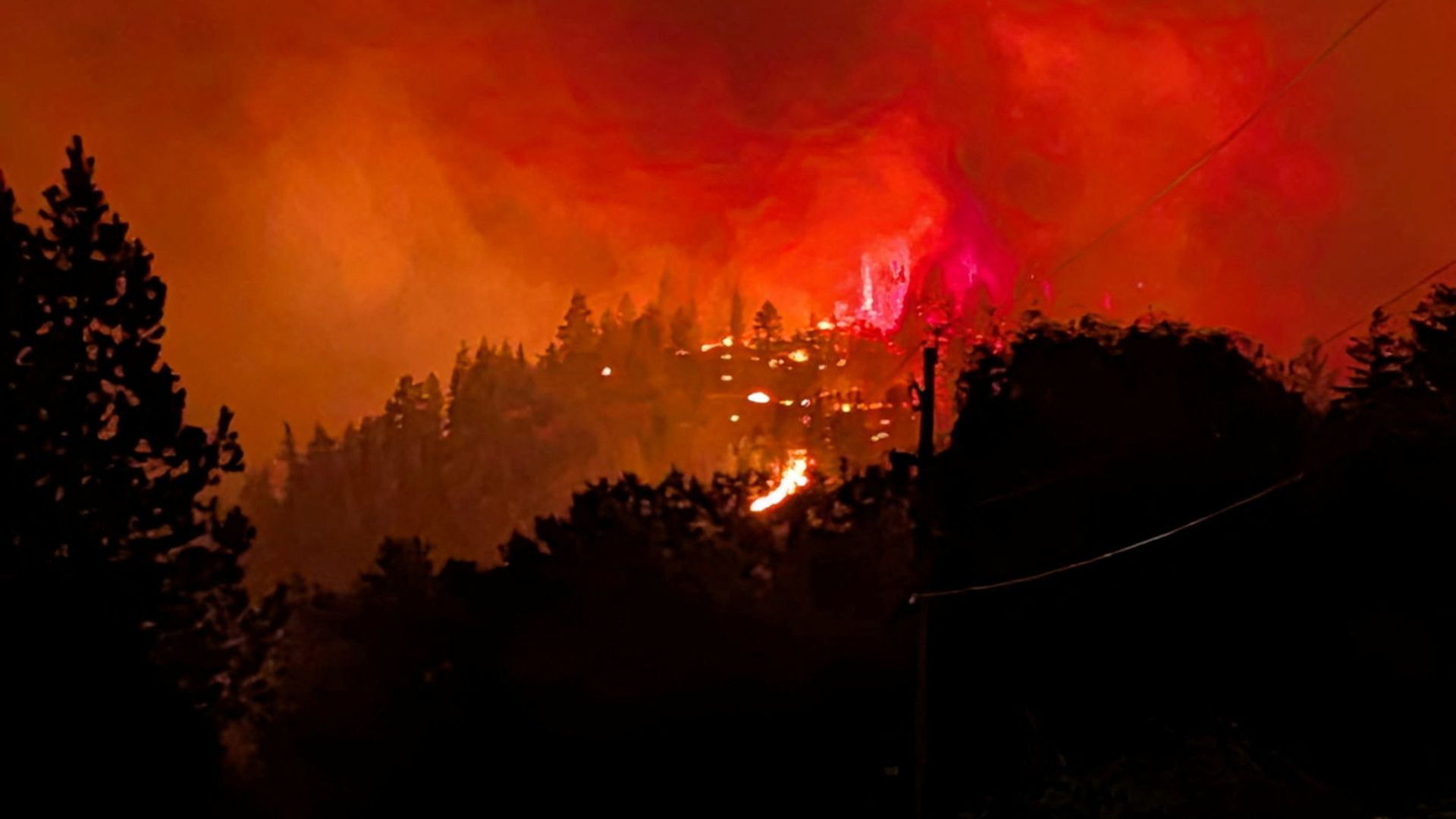
Super El Niño expected to disrupt global weather patterns, impact agriculture
The world is experiencing a "super El Niño," which is expected to be the strongest on record, causing significant disruptions in global weather patterns, including increased flooding and droughts. Th…
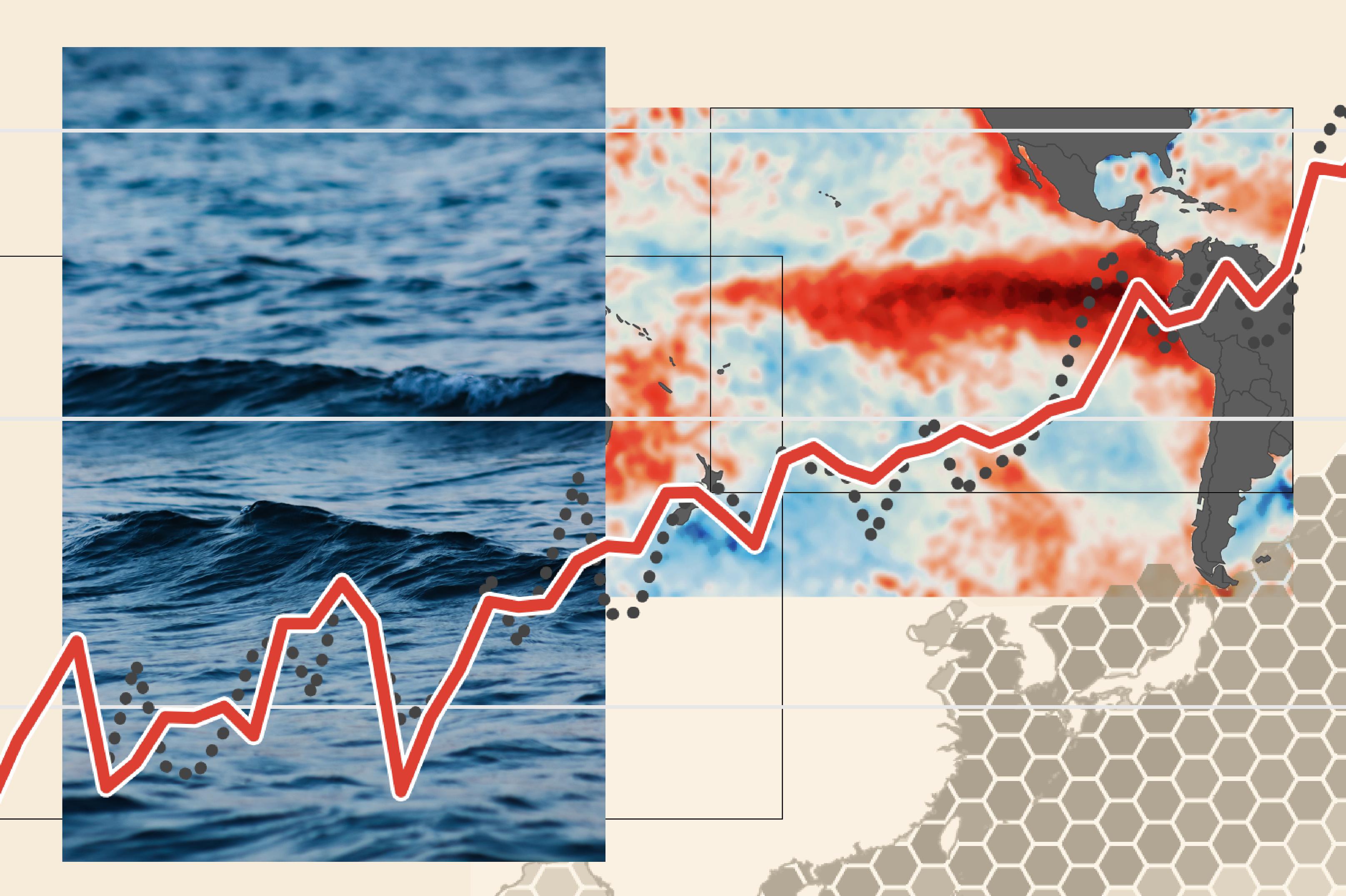
The world is currently experiencing what is expected to become the strongest El Niño on record, referred to as a “super El Niño.” This weather phenomenon is characterized by unusually warm sea surface temperatures in the central and eastern Pacific Ocean. The current event began to develop in mid-2023 and is projected to peak in the coming months, significantly impacting global weather patterns.
El Niño events occur irregularly every two to seven years and can last from nine months to two years. They alter atmospheric circulation and can lead to extreme weather across the globe, including heavier rainfall in some regions and droughts in others. The current super El Niño is fueled by a combination of warmer ocean temperatures and climate change, which is intensifying its effects. Scientists are closely monitoring its development, as the last significant El Niño in 2016 resulted in widespread global temperature increases and extreme weather events.
The implications of this super El Niño are profound. Countries around the globe can expect disrupted agricultural patterns, with increased risks of flooding in Asia and South America, while parts of Australia and the southern United States may experience drought. The World Meteorological Organization has warned that this event could exacerbate food insecurity and lead to economic instability in vulnerable regions.
In the coming months, governments and organizations will need to prepare for the consequences of this super El Niño. This includes implementing disaster response strategies and supporting affected communities. As climate change continues to influence weather patterns, understanding and adapting to El Niño events will be crucial for mitigating their impacts. The world will be watching closely as this phenomenon unfolds, as its effects will likely resonate well beyond the immediate geographic areas affected.
Read Full Story at Carbon Brief →