SpaceX to Build $2.5B Louisiana Spaceport for Starship
SpaceX will build a $2.5 billion Starship spaceport in Louisiana to handle thousands of annual launches beyond its Texas site. This expansion aims to lower costs for deep-space missions and boost the…
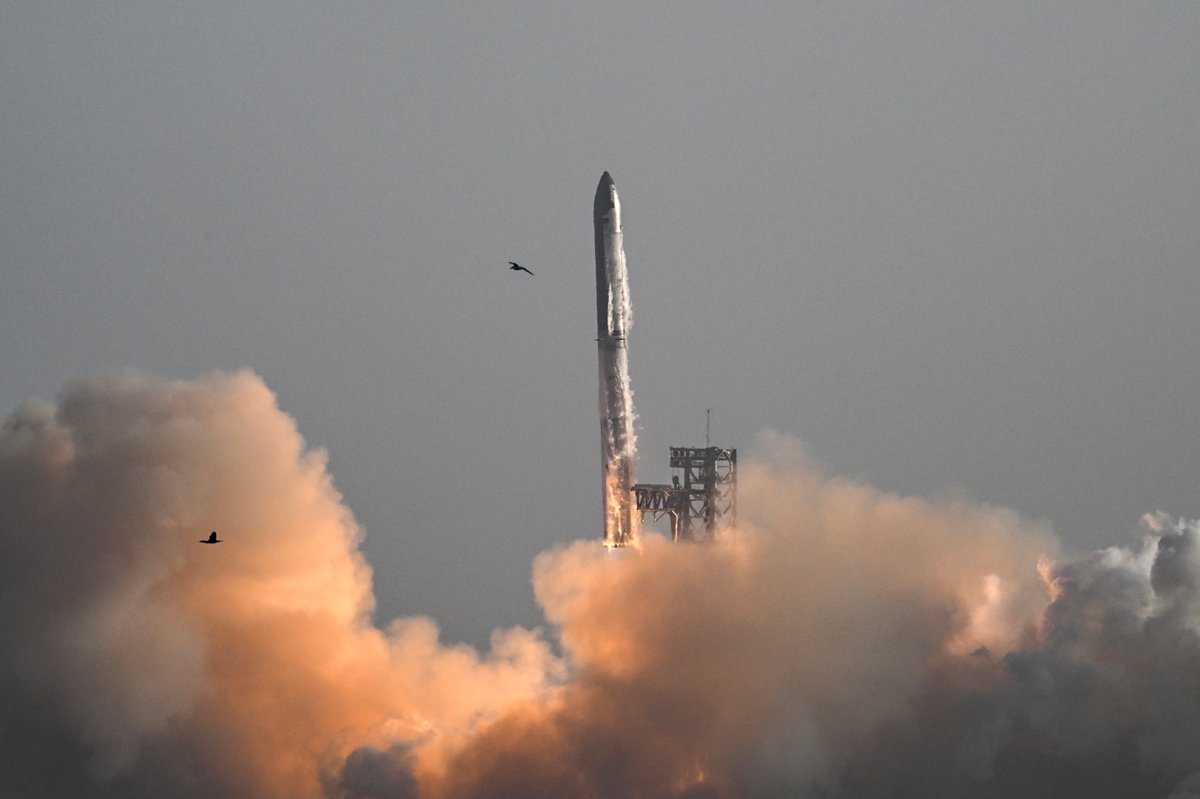
SpaceX announced on Tuesday that it will build a new spaceport in Louisiana dedicated to its Starship launch vehicle. The facility, to be located near the Mississippi River in the state’s coastal plain, is expected to handle thousands of launches a year. The move comes as the company seeks to diversify its launch sites beyond Texas’s Starbase in Boca Chica. Musk said the new port will support Starship missions to the Moon, Mars and beyond.
Starship is the centerpiece of SpaceX’s plans for deep‑space travel. Its high payload capacity and reusability could lower the cost of sending humans and cargo to other worlds. The company already operates a test site in Boca Chica and a launch pad in Florida, but the growing number of customers and the need for a dedicated launch corridor make a second, larger port attractive. Louisiana offers a wide, flat shoreline and fewer air‑traffic restrictions, making it ideal for frequent launches.
The new Louisiana port will feature a 1.2‑kilometer launch pad, a large assembly building, and a dedicated flight‑control center. SpaceX expects the first Starship flight from the site to occur in 2025, with full operations by 2026. The project is projected to cost around $2.5 billion and create 3,000 construction jobs and 500 permanent jobs. Local officials say the port will boost the state’s economy and attract related aerospace businesses.
Construction is slated to begin next month after the state grants final approval. SpaceX will work with the U.S. Federal Aviation Administration and the U.S. Coast Guard to secure launch windows and safety protocols. The company also plans to expand the site to accommodate future Starship variants and other launch vehicles. If successful, the Louisiana spaceport could become a hub for commercial and government spaceflight, challenging existing launch providers and accelerating humanity’s reach into space.
Read Full Story at Scientific American →