Ebola: Why children are last to be treated in medical crises
The current Ebola outbreak in the Democratic Republic of Congo has been devastating. Since the outbreak began in mid-May, more than 3,000 people have died. Almost half of people infected with Ebola …
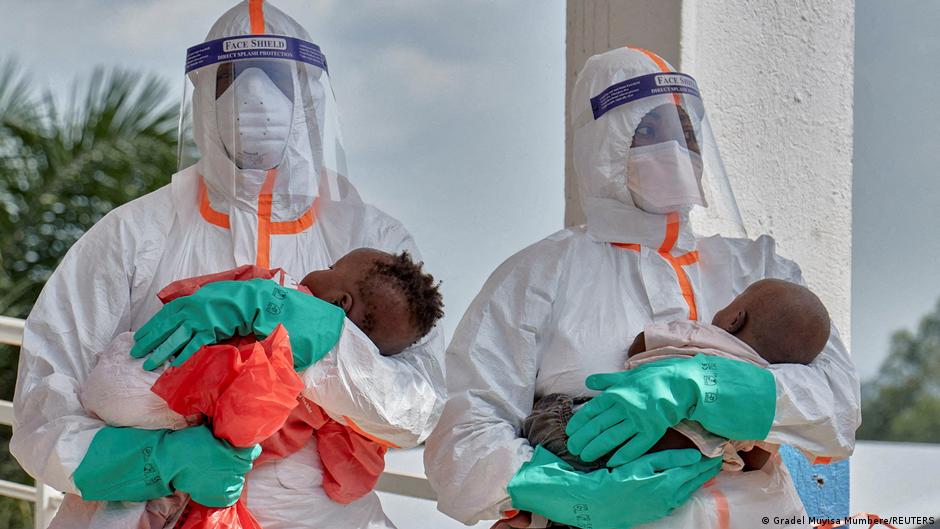
The current Ebola outbreak in the Democratic Republic of Congo has been devastating. Since the outbreak began in mid-May, more than 3,000 people have died.
Almost half of people infected with Ebola are expected to die, and the mortality rate is particularly high for young children. According to a commentary by Doctors Without Borders recently published in medical journal The Lancet , the mortality rate for children under the age of 5 is over 60% .
But often, it's because of a lack of medication and information on how to use it with young patients, rather than then disease itself.
"Children must be centered in Ebola treatment and prevention research," the aid organization wrote in early September .
At the heart of the debate is the EBO-PEP study, which began mid-July. The study looks at an experimental antiviral drug called obeldesivir, which is being studied for its ability to protect people exposed to the Bundibugyo Ebola virus, the strain responsible for the current deadly outbreak .
But children weighing less than 30 kilograms (about 66 pounds) and around 12 years old or younger, were not included in the original study. But that could change soon with protocols to include children weighing over 20 kilograms.
Children weighing less than 20 kilograms — that is, roughly 6 years old or younger — won't be included in the treatment. There is an alternative treatment for them: Another antiviral drug, remdesivir, given intravenously. But as Doctors Without Borders argued, a 10-day course of infusions is difficult to administer during an outbreak, especially for young children.
According to Neal Russell, a pediatric doctor based in London who consults for Doctors Without Borders and who was also the lead author of the Lancet commentary, young children are at particularly high risk from Ebola . This could be due to their weakened immune systems, underlying health conditions, or the fact that treating them for Ebola is especially challenging in an outbreak.
Read Full Story at DW World →