DRC Ebola deaths surpass 1,300 as Bundibugyo strain spreads
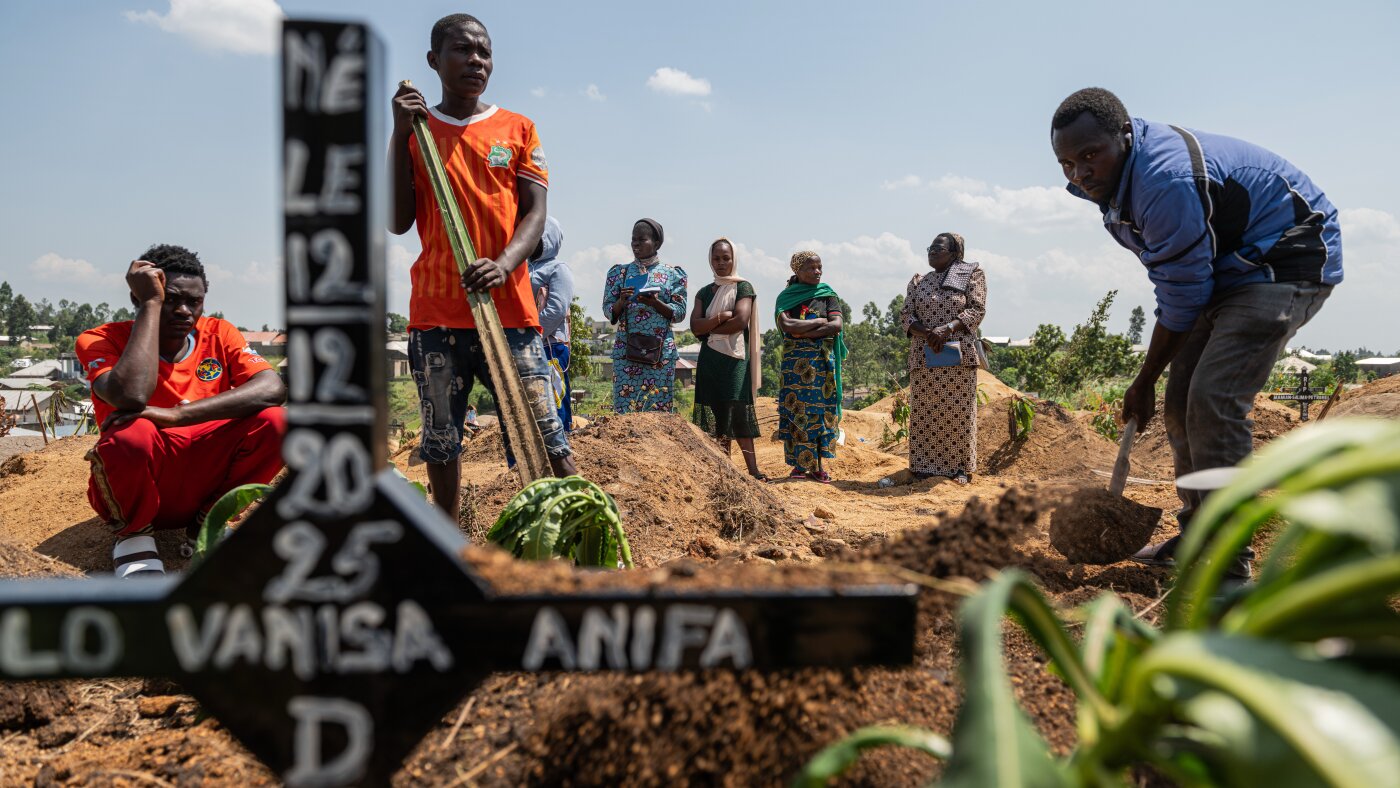
Ebola deaths in the DRC surged past 1,300, marking the fastest-spreading epidemic ever due to the rare Bundibugyo strain. The absence of a vaccine and active conflict exacerbates the crisis, demanding

The death toll from the Ebola outbreak in the Democratic Republic of Congo has jumped to more than 1,309, a rise of over 40 percent in five days, acco
Read Full Story at Al Jazeera →Why This Matters
The surge in Ebola deaths in the DRC highlights the critical need for global health systems to respond effectively to emerging infectious diseases. With the current outbreak being fueled by both a rare strain and ongoing conflict, the situation underscores the vulnerability of communities in regions already facing instability.
Background Context
Ebola has a long history of outbreaks in Central Africa, but the current situation in the DRC is unprecedented due to the rapid spread of the Bundibugyo strain, which has proven particularly lethal. The region's political instability and ongoing conflict have severely hindered access to healthcare and vaccination efforts, leaving populations at greater risk.
What Happens Next
As the epidemic escalates, international health organizations may increase their involvement, but logistical challenges and security concerns will likely complicate relief efforts. Observers should watch for potential shifts in regional alliances and the strategies that governments and NGOs employ to combat the outbreak.
Bigger Picture
This outbreak is indicative of a broader pattern where climate change, urbanization, and conflict contribute to the emergence and spread of infectious diseases. As global interconnectedness increases, the implications of localized health crises can rapidly escalate into international concerns, pressing the need for improved global health governance.