Data reveals 1,200-km tear in Juan de Fuca subduction zone
Satellite and sonar data reveal a 1,200-km tear in the Juan de Fuca subduction zone, proving these systems fracture into independent segments. This discovery alters seismic risk models for the Pacifi…
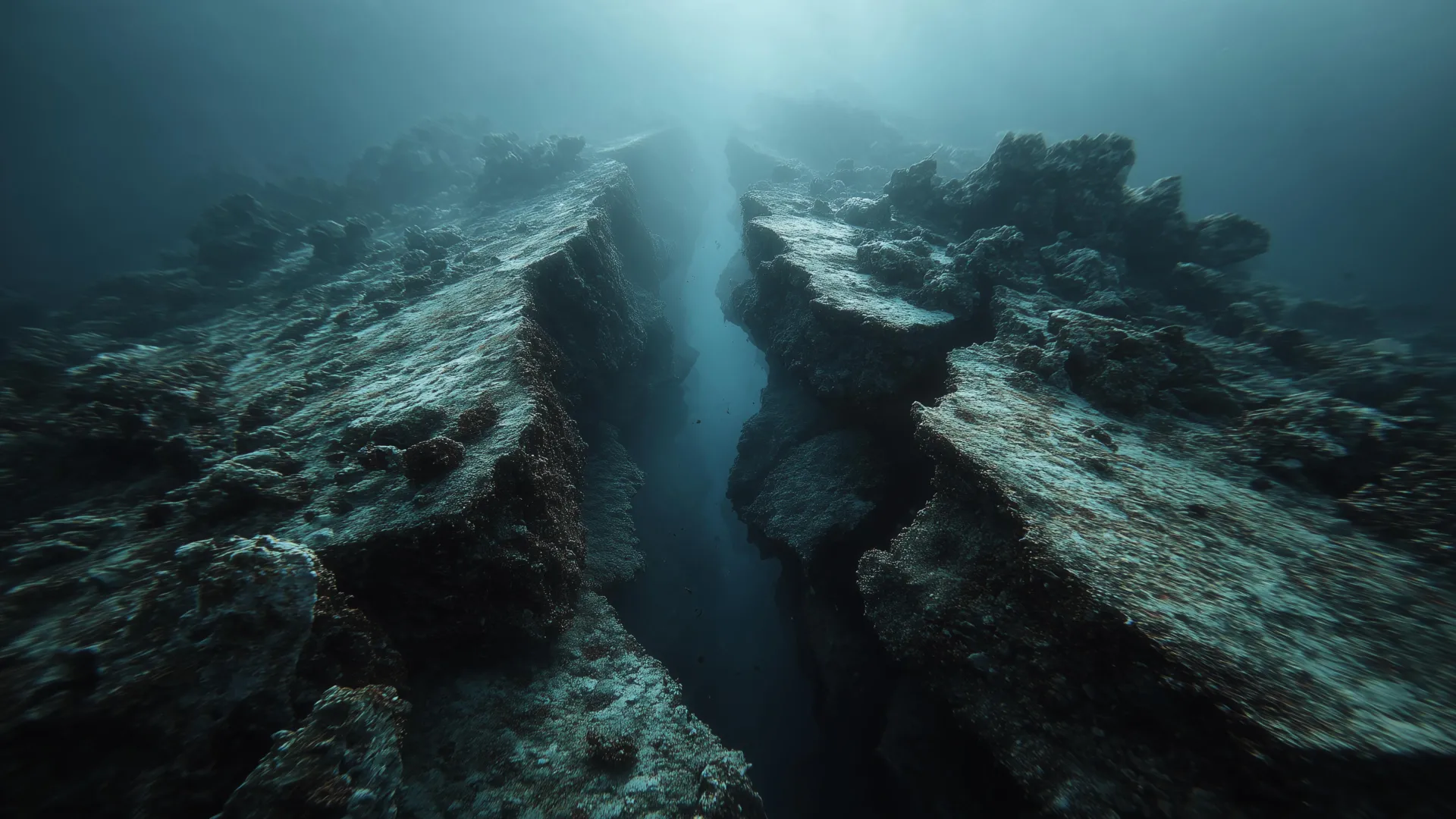
Scientists have captured a subduction zone off Vancouver Island in the process of tearing itself apart, revealing that these massive tectonic systems may die piece by piece rather than all at once. The images, taken with a combination of satellite radar and deep‑water sonar, show the Juan de Fuca plate sliding beneath the North American plate and slipping apart along a crack that stretches more than 1,200 kilometres. The tear appears to be a slow, creeping event that could have long‑term effects on the Cascadia subduction system, which is known for producing megathrust earthquakes every 300 to 600 years.
The Cascadia subduction zone is a major seismic hazard for the Pacific Northwest. The Juan de Fuca plate is forced under the continental crust at a rate of about 5 centimetres a year, storing enormous amounts of strain that can be released in a single, devastating earthquake. The new observations suggest that the plate boundary may not be a single, solid seam. Instead, it can split into separate segments that move independently. This behaviour could explain why ancient plate fragments have been found scattered along the coast and why volcanic activity has shifted over time. It also raises the possibility that future earthquakes could be triggered by the interaction of these drifting pieces, rather than by the entire plate sliding as a unit.
Geophysicists say the tear is a natural part of plate dynamics. Similar fractures have been seen in other subduction zones, such as the Nankai trough in Japan. The data were collected over several months, allowing researchers to track the slow expansion of the crack. The team used interferometric synthetic aperture radar to detect ground deformation and bathymetric mapping to reveal the topography of the ocean floor. The images show a widening gap of up to 200 metres, a clear sign that the plates are slipping apart. The discovery confirms long‑held theories that subduction zones can break into smaller, self‑contained blocks.
The implications for earthquake risk are significant. If the Cascadia system is fragmenting, the size and timing of future earthquakes could change. Some models now suggest that a large earthquake might still occur, but its energy could be distributed among multiple, smaller events. Authorities are already reviewing building codes and emergency plans. Scientists plan to increase monitoring with more GPS stations and ocean‑bottom seismometers to track the tear’s evolution. The new data give a clearer picture of how the Earth's crust behaves and underscore the need for continuous observation of tectonic boundaries that threaten millions of people.
Read Full Story at ScienceDaily →