Bank of Korea warns stablecoins depress local currencies
The Bank of Korea warns that dollar-backed stablecoins can depress local currencies by driving capital flight. This threatens monetary sovereignty in emerging markets, forcing central banks to interv…
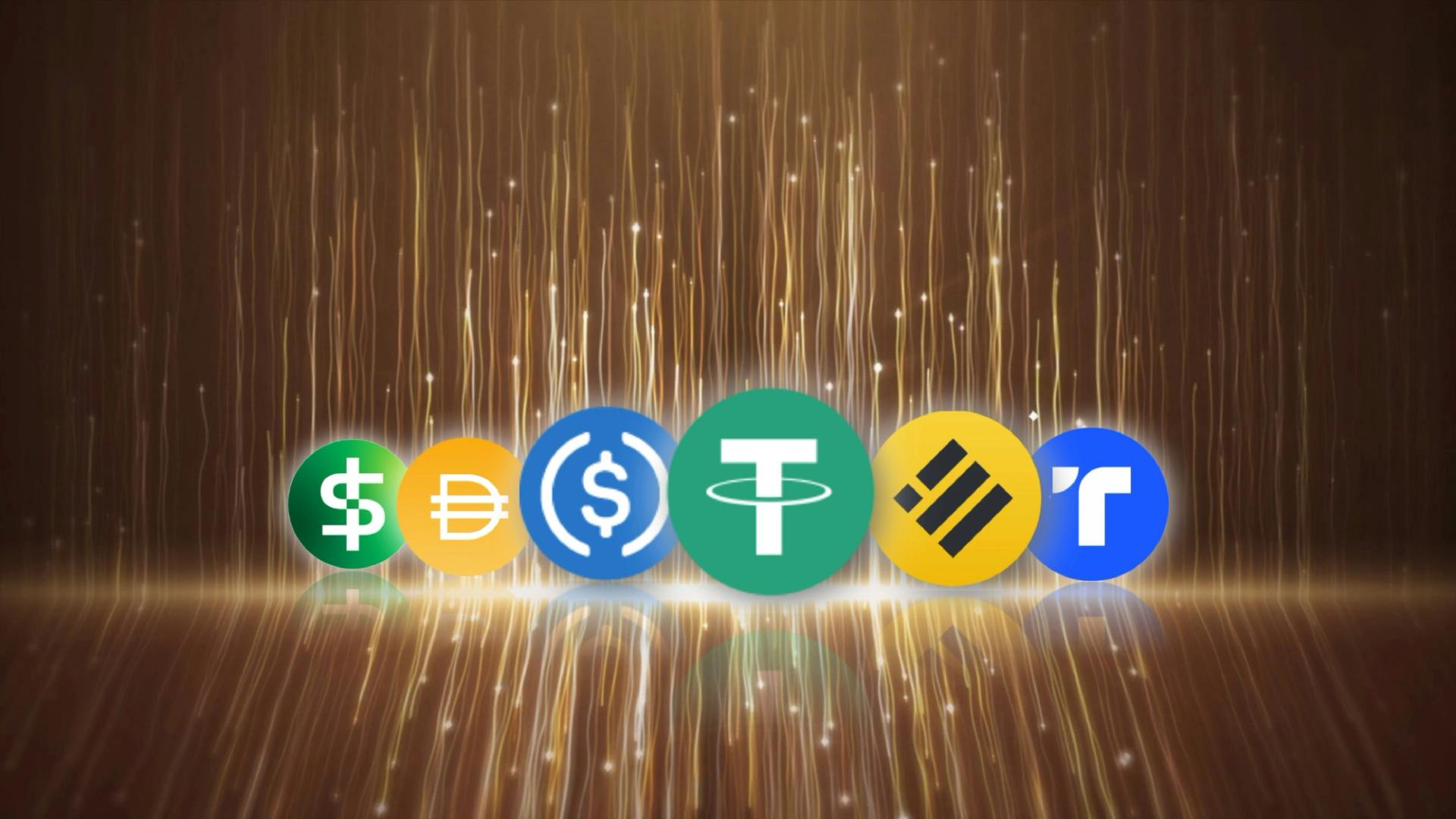
A new study by the Bank of Korea has confirmed that the widespread adoption of dollar-backed stablecoins poses a significant risk to the stability of national currencies, particularly in emerging markets. The central bank’s research indicates that as these digital assets gain popularity, they can exert downward pressure on local exchange rates, challenging the ability of governments to maintain monetary sovereignty. This finding marks a pivotal moment in the global conversation about cryptocurrency regulation, as it moves the debate from abstract financial theory to concrete macroeconomic consequences. The report suggests that stablecoins are not merely a niche asset class for tech enthusiasts but a potential vector for capital flight that could destabilize economies much faster than traditional banking channels.
This warning comes at a time when stablecoin market capitalization has surged to unprecedented levels, driven by retail adoption in countries facing high inflation and weak local currencies. In nations like Argentina, Turkey, and parts of Latin America, citizens have increasingly turned to tokens pegged to the US dollar as a hedge against rapid devaluation. The Bank of Korea’s analysis highlights that this trend is not limited to developing economies; even established markets could see spillover effects if large volumes of capital move into these digital assets during times of global uncertainty. The mechanism is straightforward: when investors swap local currency for stablecoins, they reduce the demand for their own money while increasing demand for the US dollar. This dynamic can force central banks to intervene aggressively, raising interest rates or selling foreign reserves to defend their currency, which in turn can stifle economic growth and increase borrowing costs for businesses and consumers.
The study underscores a critical vulnerability in the current global financial architecture, where decentralized finance operates largely outside the purview of traditional regulatory frameworks. Unlike traditional bank deposits, stablecoins are often issued by private entities that may not adhere to the same capital reserve requirements or transparency standards. This lack of oversight means that a sudden loss of confidence in a major stablecoin issuer could trigger a liquidity crisis, forcing a rapid unwind of positions that would hit local currencies hard. Financial experts note that the Bank of Korea is not alone in its concerns; the International Monetary Fund and the Bank for International Settlements have also raised alarms about the potential for stablecoins to undermine monetary policy effectiveness. The Korean central bank’s report serves as a stark reminder that the digital asset revolution is not happening in a vacuum but is deeply intertwined with the real economy.
Looking ahead, policymakers are likely to respond with stricter regulations aimed at curbing the unchecked growth of stablecoins. This could include bans on their use for domestic payments, higher taxes on crypto transactions, or mandatory reserve audits for issuers operating in their jurisdictions. For investors and users, this means increased scrutiny and potentially reduced accessibility to these financial tools. The long-term implication is a bifurcated financial system where the ease of moving money across borders clashes with the desire of nations to protect their monetary independence. As the technology matures, the tension between innovation and stability will only intensify. Central banks will need to find a balance between embracing the efficiency of digital currencies and preventing them from becoming a tool for circumventing national economic controls. The coming years will test whether regulators can keep pace with a financial technology that operates 24/7 across borders without asking for permission.
Read Full Story at CoinDesk →