DOJ lawyer appeals contempt order, claims it's an improper ruling
A DOJ attorney is appealing a contempt order and $10,000 fine imposed by a federal judge for not complying with a document production request from ICE, claiming the order was improper and threatens h…
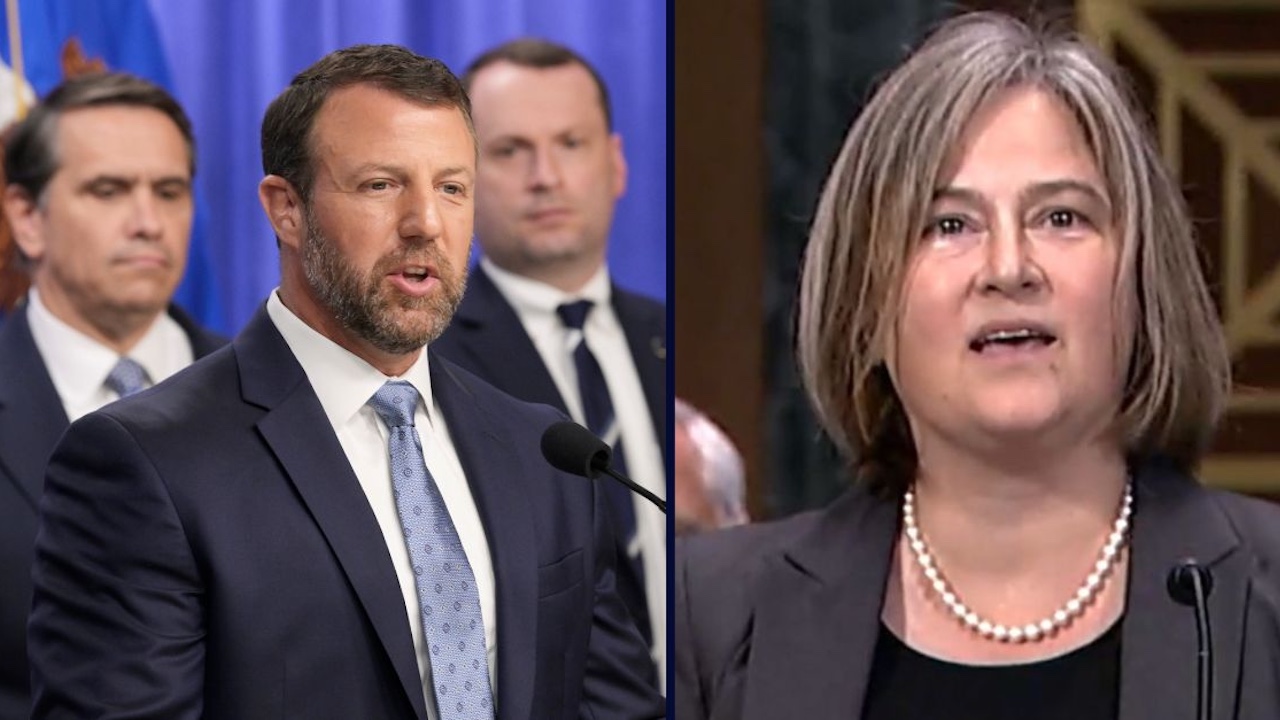
A U.S. Department of Justice attorney who serves as a JAG lawyer in Minnesota is asking the 8th Circuit Court of Appeals to overturn a personal contempt order that a federal judge imposed last month for refusing to make ICE comply with a court‑ordered production of documents. The judge, U.S. District Judge John Tunheim, held the lawyer in contempt and levied a $10,000 fine, describing the refusal as “willful” and “obstructive.” The attorney, who apologized in court, says there is “really not a legal dispute here” and that the order was “entirely improper.” He filed the appeal on Friday, arguing the judge exceeded his authority and that the contempt finding threatens the attorney’s ability to represent the government.
The dispute grew out of a 2022 lawsuit filed by immigrant‑rights groups that challenged ICE’s practice of detaining individuals on “detainer” requests without a hearing. The court ordered ICE to turn over internal communications and logs showing how it handled those requests. The DOJ’s JAG lawyer, who was tasked with reviewing the materials, argued that the subpoena ran afoul of national‑security concerns and attorney‑client privilege, and he declined to produce the documents. Tuneman’s contempt ruling was the first time a judge has held a government lawyer personally liable for refusing a compliance order in an immigration case. Legal analysts say the case highlights the tension between court oversight of ICE and the government’s claim of executive authority.
The appeal will be heard by a three‑judge panel of the 8th Circuit, which will decide whether the contempt order should be vacated and whether the fine should be lifted. If the panel reverses the ruling, the DOJ may be able to continue withholding the records, potentially limiting future court‑ordered disclosures to ICE. If the panel upholds the contempt finding, the government could be forced to produce the documents and face additional penalties for non‑compliance. The outcome could set a precedent for how aggressively courts can enforce discovery in immigration enforcement matters and may shape the balance of power between the judiciary and the executive in the ongoing debate over ICE’s role.
Read Full Story at Law & Crime →