Biden administration plans to expand spaceports for 1,000 annual rocket launches
The Biden administration aims to increase U.S. rocket launches to over 1,000 per year by the decade's end, necessitating the expansion of spaceports to support this growth. This initiative is crucial…
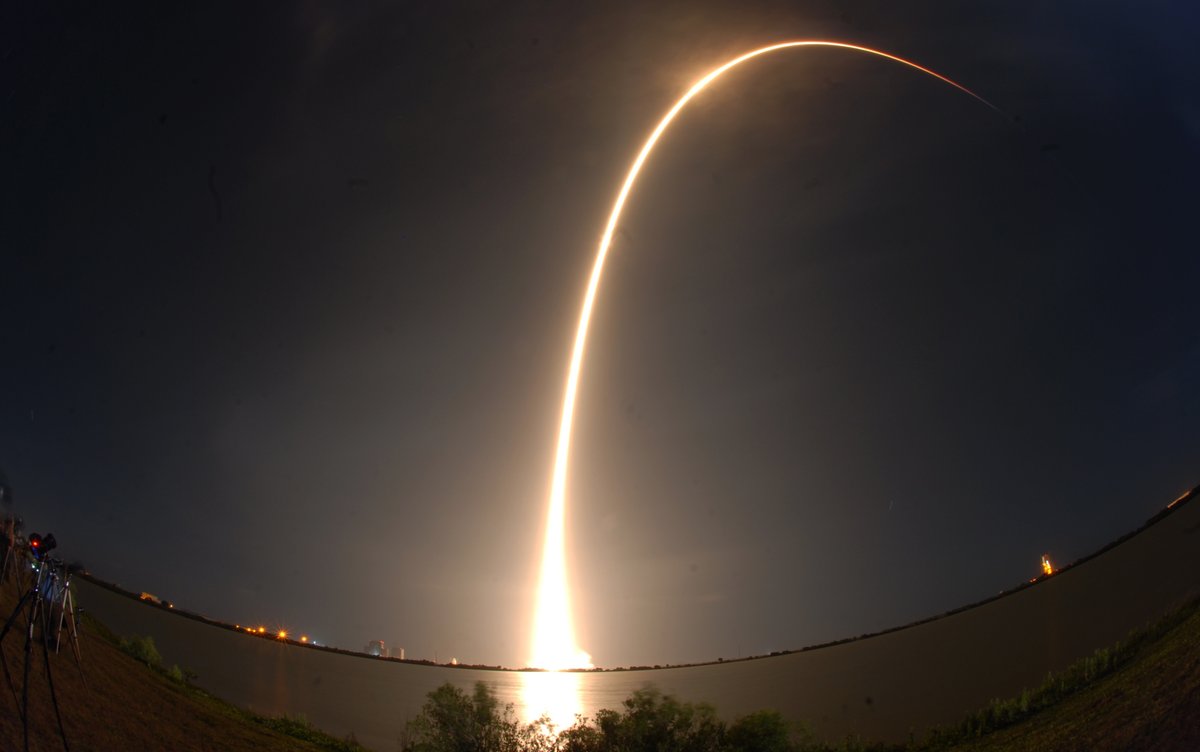
The Biden administration has issued a new executive order aimed at increasing the number of rocket launches in the United States to over 1,000 per year by the end of the decade. This ambitious plan underscores the need for a significant expansion and modernization of the nation’s spaceports, which are crucial for supporting the anticipated surge in commercial and government space activities.
The directive comes as the commercial space sector continues to grow rapidly. Companies like SpaceX, Blue Origin, and Rocket Lab have increased launch frequency, driven by advancements in technology and a growing market for satellite deployment and space exploration. The U.S. aims to bolster its competitive edge in the global space race, particularly against nations like China and Russia, which are also ramping up their space capabilities. The current infrastructure, however, is not equipped to handle such a dramatic increase in launch activities, prompting the need for upgrades and new facilities.
Currently, the U.S. has only a handful of operational spaceports, with most launches concentrated in Florida and California. The executive order highlights the necessity to develop additional sites across the country. This could lead to job creation in various regions and stimulate local economies. For example, states like Texas and Alaska are already exploring opportunities to establish new launch facilities. The government’s investment in infrastructure could also attract private investors and enhance research and development in space technologies.
Looking ahead, the success of this initiative will depend on collaboration between federal, state, and local governments, along with private companies. Expanding spaceport facilities is not just about increasing launch capacity; it also involves addressing environmental concerns and ensuring safety protocols are in place. If executed effectively, this plan could position the U.S. as a leader in the next era of space exploration and commercialization, paving the way for innovations that could benefit various sectors, from telecommunications to climate monitoring.
Read Full Story at Scientific American →