Study reveals flying boosts happiness in Galahs, impacts bird care practices.
A study found that flying significantly improves the emotional well-being of Galahs, indicating that flight is crucial for their happiness. This research highlights the need for better care practices…
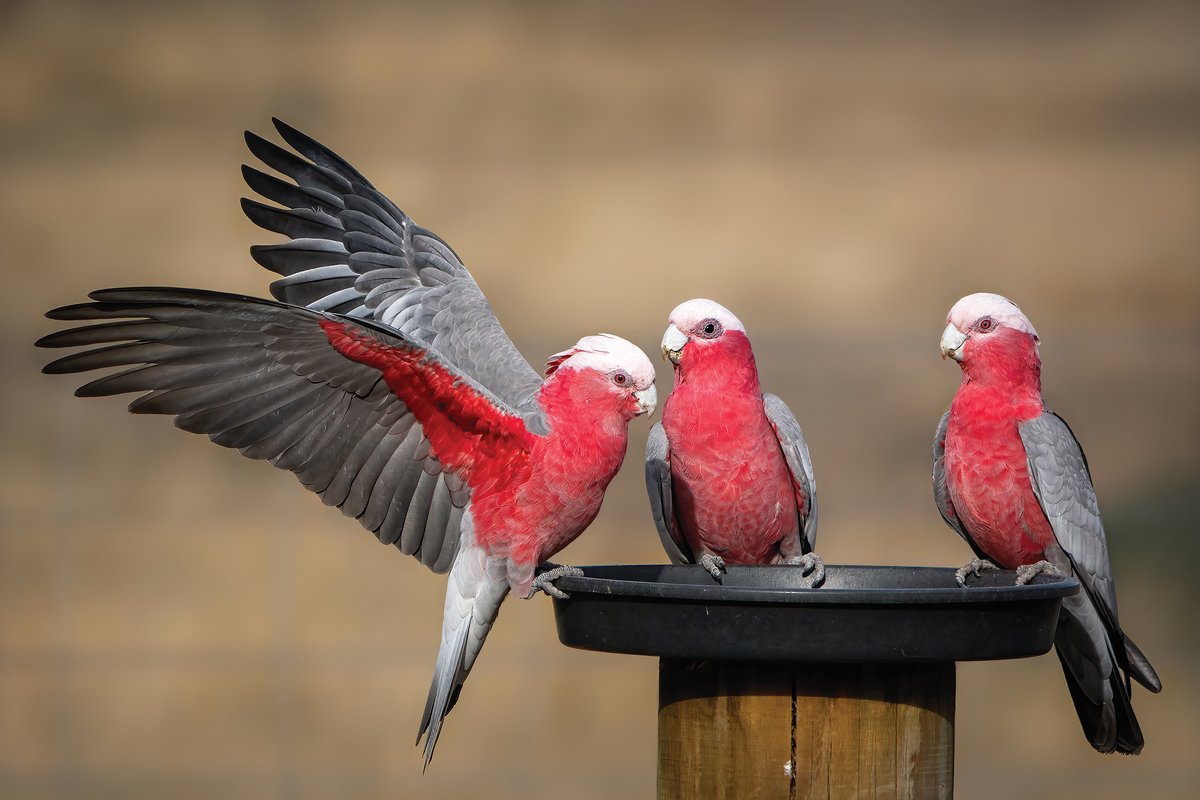
Scientists have found that flying can lead to positive emotions and optimism in Galahs, a type of cockatoo. This discovery came from a recent study published in the journal "Animal Cognition," where researchers observed the behavior of these birds in a controlled environment. The study involved testing the birds' emotional responses before and after flying, revealing that their moods improved significantly after they took to the skies.
The motivation behind this research stems from a broader interest in understanding animal welfare and mental health. As urban environments expand and natural habitats diminish, animals face increased stress. Researchers aim to explore how activities like flying can enhance well-being in birds, similar to how exercise can improve mental health in humans. Understanding these connections can inform better care practices for captive birds and conservation efforts for wild populations.
During the study, researchers used various methods to gauge the emotional states of the Galahs. They assessed their behavior, vocalizations, and even their physiological responses, such as stress hormone levels. The findings showed that after flying, the birds displayed more playful behavior and engaged in social interactions, indicating higher levels of happiness and optimism. This adds to the growing body of evidence that flight is not just a means of transport for birds but also an essential activity for their emotional health.
The implications of this study are significant. As more research emerges on the emotional lives of animals, it may lead to changes in how we manage wildlife and domestic birds. Providing opportunities for flight and other natural behaviors could improve their quality of life. Future studies may explore similar questions in other bird species and even extend to other animals, potentially reshaping our understanding of animal welfare across various contexts.
Read Full Story at Scientific American →