Advocacy groups urge Congress to ban DHS's predictive policing practices
The Department of Homeland Security's use of predictive policing is criticized for violating constitutional rights and exacerbating biases against marginalized communities. Advocacy groups are urging…
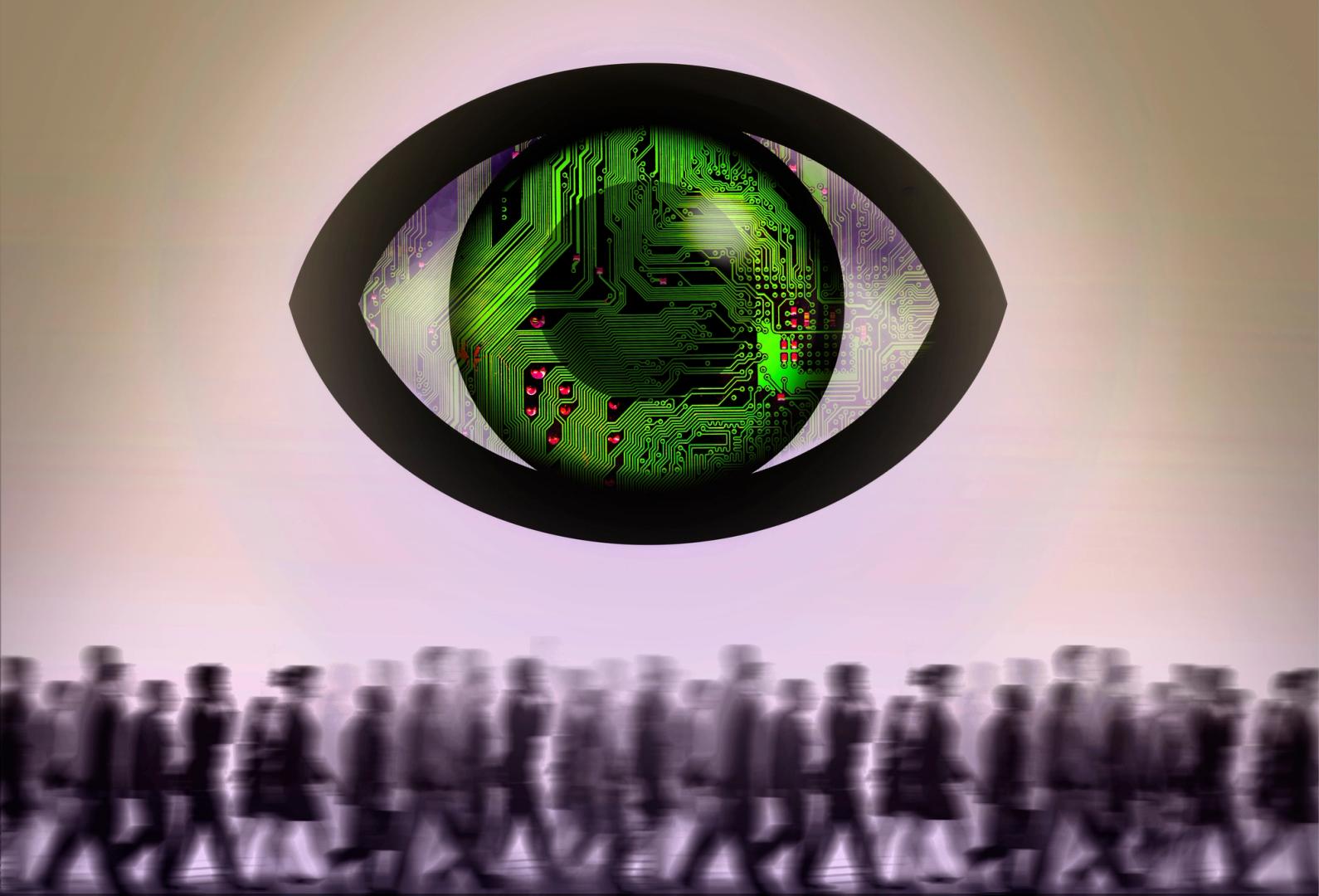
The Department of Homeland Security (DHS) is facing increasing scrutiny over its use of predictive policing technologies, which critics argue violate constitutional rights and undermine democratic values. This concern has become more prominent following recent reports detailing the extent of DHS’s surveillance and data collection efforts across the United States.
The pushback against predictive policing comes at a time when communities are demanding greater accountability and transparency in law enforcement practices. Over the past few years, a growing body of evidence has shown that predictive policing can exacerbate existing biases, disproportionately targeting marginalized communities. Activists and civil liberties organizations are particularly alarmed by the lack of oversight and the potential for misuse of these technologies, which can lead to wrongful arrests and a chilling effect on free speech.
Recent findings indicate that the algorithms used by DHS often rely on flawed data sets, which can generate inaccurate profiles of individuals and communities. Critics argue that this not only infringes on civil liberties but also goes against the core American principle of presumption of innocence. As public awareness increases, lawmakers are being called upon to examine the legal and ethical implications of using such technologies in policing.
Moving forward, there is a growing call for reform. Advocates are urging Congress to impose strict regulations on the use of predictive policing technologies and to ensure that any data collection practices uphold constitutional rights. Without meaningful oversight, there is a significant risk that these unregulated systems will further entrench systemic discrimination and undermine public trust in law enforcement. The outcome of this debate will have lasting implications for civil rights and the future of policing in America.
Read Full Story at CoinDesk →