DHS conducted far-reaching surveillance during Minnesota ICE surge, court documents show
Rev. Steve Sylvester, interim Pastor of the Prince of Peace Lutheran Church in Roseville, Minn., recently told his congregation that the Department of Homeland Security had surveilled their church du…
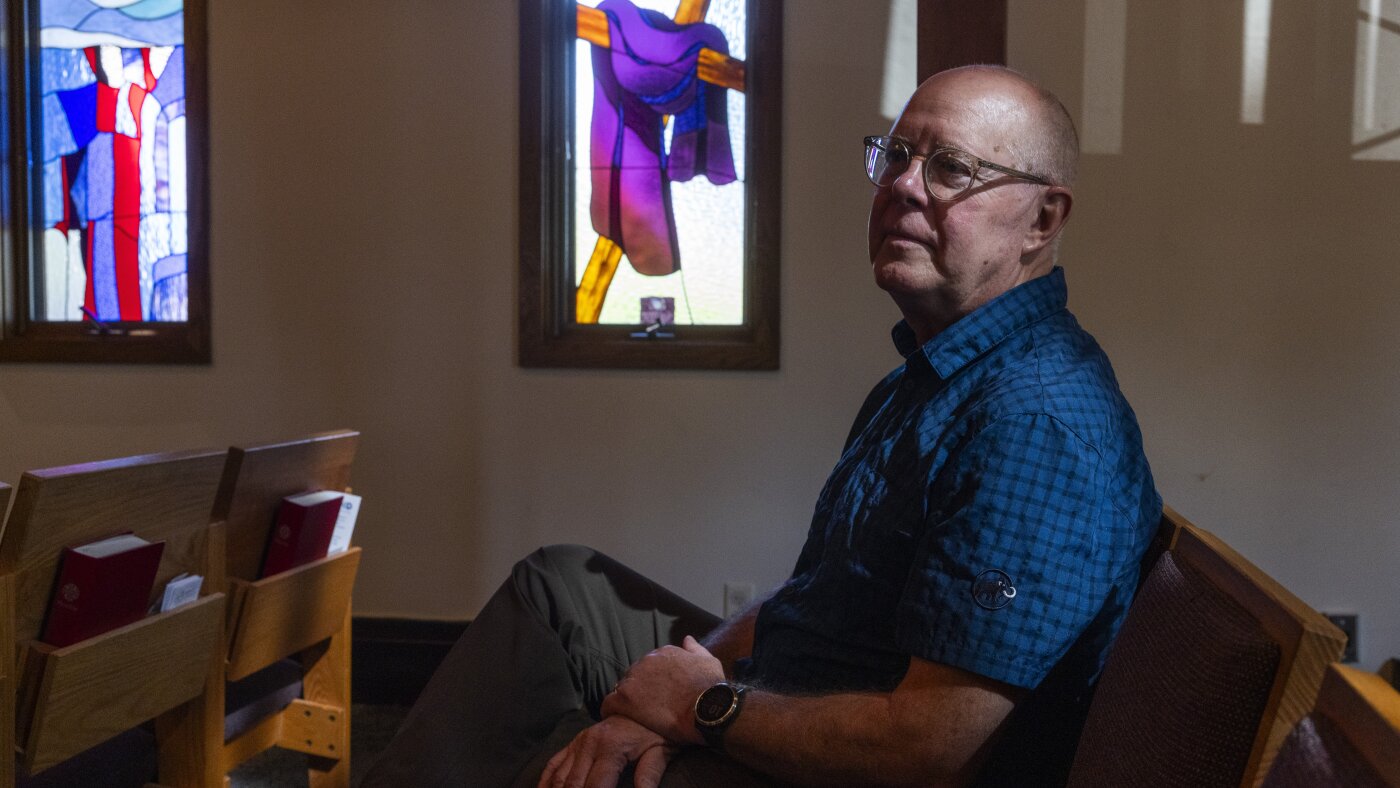
Rev. Steve Sylvester, interim Pastor of the Prince of Peace Lutheran Church in Roseville, Minn., recently told his congregation that the Department of Homeland Security had surveilled their church during the federal immigration enforcement surge that happened in the state last winter. Jaida Grey Eagle for NPR hide caption
On a recent Sunday morning at Prince of Peace Lutheran Church in Roseville, Minn., Steve Sylvester, the interim pastor there, had an unusual announcement to make.
Standing at the altar, he told his mostly elderly congregation that the Department of Homeland Security had surveilled their church during the federal immigration enforcement surge that happened in the state last winter.
The revelation was part of a motion filed in federal court just a few days before the service, as part of an ongoing conspiracy case against ICE protesters.
According to government documents , an undercover DHS agent attended a meeting of ICE protesters at Prince of Peace in February. The agent captured the license plates of people there, and then compiled dossiers including their names, addresses, and information about their families and jobs, according to the motion.
"It feels weird. It feels like I'm living in 1950s Eastern Europe," Sylvester told NPR. "I don't know that it feels frightening or daunting. It just feels completely out of place and inappropriate."
He's far from the only person caught in the wide-reaching surveillance web spun by the federal government.
For months, the documents show, federal agents secretly made recordings of meetings held at churches, libraries, restaurants and schools around the Twin Cities. They infiltrated private group chats, sought the financial records of national labor unions, and gathered information on community members who had not been accused of any crimes.
Read Full Story at NPR News →


