Democrats approve new primary election calendar, putting South Carolina first
In this file photo, people wait to vote on the first day of early voting on May 26, 2026 in Columbia, South Carolina. Sean Rayford/Getty Images/Getty Images North America hide caption South Carolina
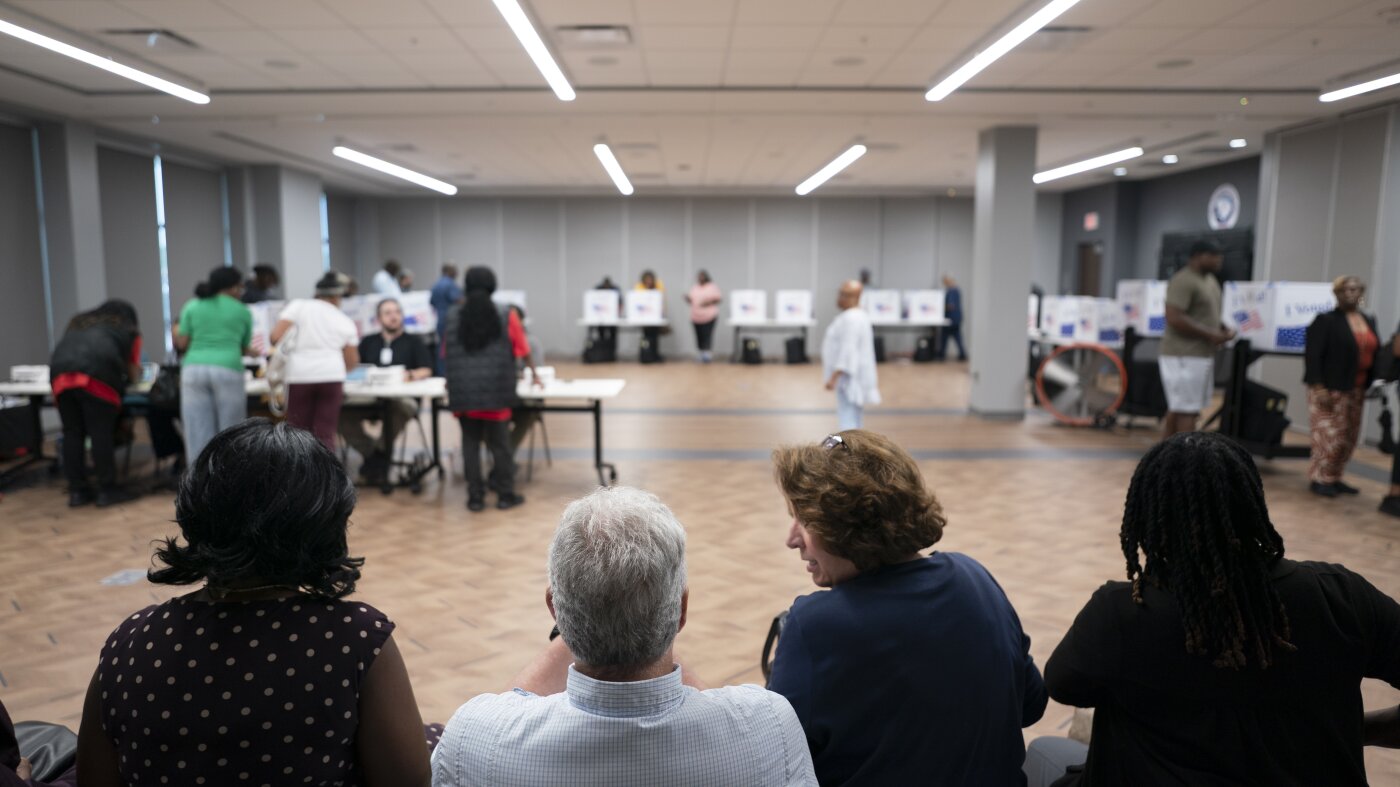
In this file photo, people wait to vote on the first day of early voting on May 26, 2026 in Columbia, South Carolina. Sean Rayford/Getty Images/Getty
Read Full Story at NPR News →Why This Matters
Shifting the primary election calendar to place South Carolina at the forefront underscores the state's increasing influence in national politics. This change not only alters the dynamics of the Democratic primary process but also reflects an acknowledgment of the diverse electorate that South Carolina represents, potentially setting the tone for future elections.
Background Context
Historically, early primary states like Iowa and New Hampshire have dominated the presidential nomination process, often shaping candidates' viability. South Carolina, with its unique demographic makeup, has been recognized as a critical testing ground for Democratic candidates, particularly in gauging support among African American voters.
What Happens Next
The approval of this new calendar will likely lead to strategic shifts among candidates as they recalibrate their campaign efforts to prioritize South Carolina. Observers should watch for how candidates engage with local issues and communities in the lead-up to the primary, as well as any potential challenges this change might pose to traditional campaign strategies.
Bigger Picture
This decision reflects a broader trend within the Democratic Party to diversify its primary landscape, moving away from historically white-dominated states. As the party seeks to adapt to changing demographics and voter priorities, this could signal a shift towards more inclusive strategies that resonate with a wider array of voters across the nation.