Cyprus shifts foreign policy, aligns militarily with US, says ambassador Breslow
Cyprus is shifting its foreign policy from longstanding ties with Russia to closer military collaboration with the United States, as announced by U.S. ambassador John Breslow. This change, highlighte…
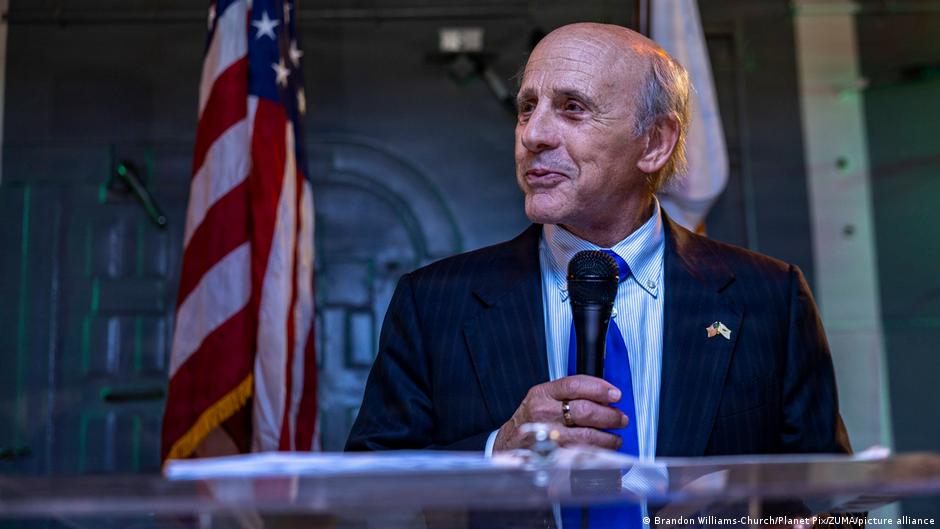
The new U.S. ambassador to Cyprus, John Breslow, announced plans on October 4 to enhance military collaboration, including upgrades to the Andreas Papandreou Air Base in Paphos and more frequent visits from U.S. warships. This shift marks a significant change in Cyprus's foreign policy, moving away from its long-standing ties with Russia toward a closer alignment with the United States. Breslow's statement that "the United States will protect Cyprus in the future" highlights this evolving partnership, although it does not constitute a formal security guarantee.
This development comes at a time when Cyprus is reassessing its geopolitical stance. For decades, the island nation maintained a delicate balance between East and West, often leaning towards Moscow while harboring skepticism of U.S. intentions. Following independence in 1960, Cyprus became a founding member of the Non-Aligned Movement, allowing it to foster relations with both the Soviet Union and Western nations. Even as a member of the European Union since 2004, Cyprus has retained strong political and military ties with Russia, complicating its relationship with the U.S.
Historical context underscores the significance of this shift. U.S.-Cyprus relations have been strained since the Turkish invasion of Cyprus in 1974, which the U.S. did not decisively oppose due to its strategic alliance with Turkey. This led to deep-seated anti-American sentiment, exacerbated by the 1987 arms embargo that forced Cyprus to rely on Russian military equipment. Moreover, Cyprus's hesitant response to EU sanctions against Russia after the 2014 annexation of Crimea further illustrated its complex ties with Moscow.
The implications of this new alignment are profound. By enhancing military cooperation with the U.S., Cyprus is not only redefining its security framework but also signaling a broader shift in regional geopolitics. This pivot could influence power dynamics in the Eastern Mediterranean, particularly amid rising tensions involving Turkey and other regional actors. As Cyprus embraces a closer relationship with the U.S., it may also pave the way for improved relations with other Western allies, reshaping its role in the region.
Read Full Story at DW World →