Forecasters predict exceptional El Niño to impact global weather until February 2024.
Forecasters predict that this year's El Niño will become exceptionally strong, lasting until February 2024, and significantly alter global weather patterns. This could lead to severe flooding in some…
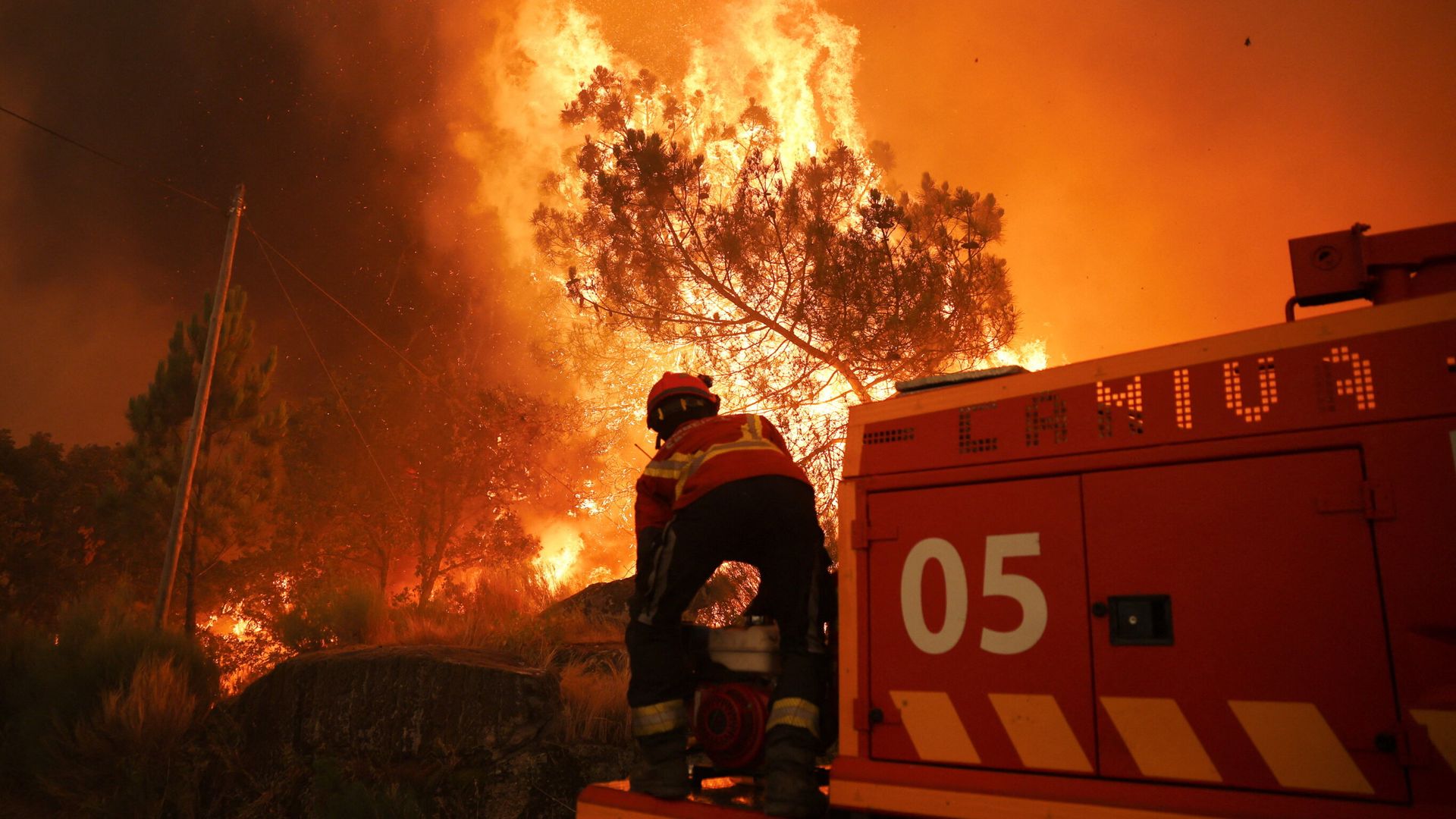
Forecasters have warned that this year's El Niño is expected to intensify into a very strong event in the coming months, with predictions it will last until February 2024. This phenomenon typically brings significant changes to global weather patterns, and experts are closely monitoring its development.
El Niño occurs when warm ocean water builds up in the central and eastern Pacific, affecting atmospheric conditions worldwide. This year's event is being fueled by unusually warm sea surface temperatures and a shift in trade winds. The past few months have already shown signs of increased storm activity and temperature fluctuations, prompting forecasters to predict a more severe impact than usual.
The potential consequences of a strong El Niño are far-reaching. Regions that typically experience increased rainfall, such as the western coast of South America, may face heightened flooding and landslides. Conversely, areas that are usually wet, like parts of Southeast Asia, might see drought conditions. Economists warn that these weather shifts could affect agriculture, fisheries, and even global food prices. The last strong El Niño in 2015-2016 caused widespread disruptions, including significant crop losses and natural disasters.
As meteorologists continue to track this evolving weather pattern, governments and organizations are urged to prepare for the impacts. Countries should bolster their disaster response plans and address potential food supply issues. With climate change potentially amplifying the effects of El Niño, the need for preparedness and resilience has never been more critical. The coming months will be crucial in determining the full extent of this weather phenomenon's impact on communities around the world.
Read Full Story at Sky News →