NASA's Curiosity rover celebrates 14 years on Mars, exceeds mission goals
NASA's Curiosity rover marked its 14th landing anniversary on August 6, 2026, having exceeded its original two-year mission by providing critical insights into Mars' geology and potential for past li…
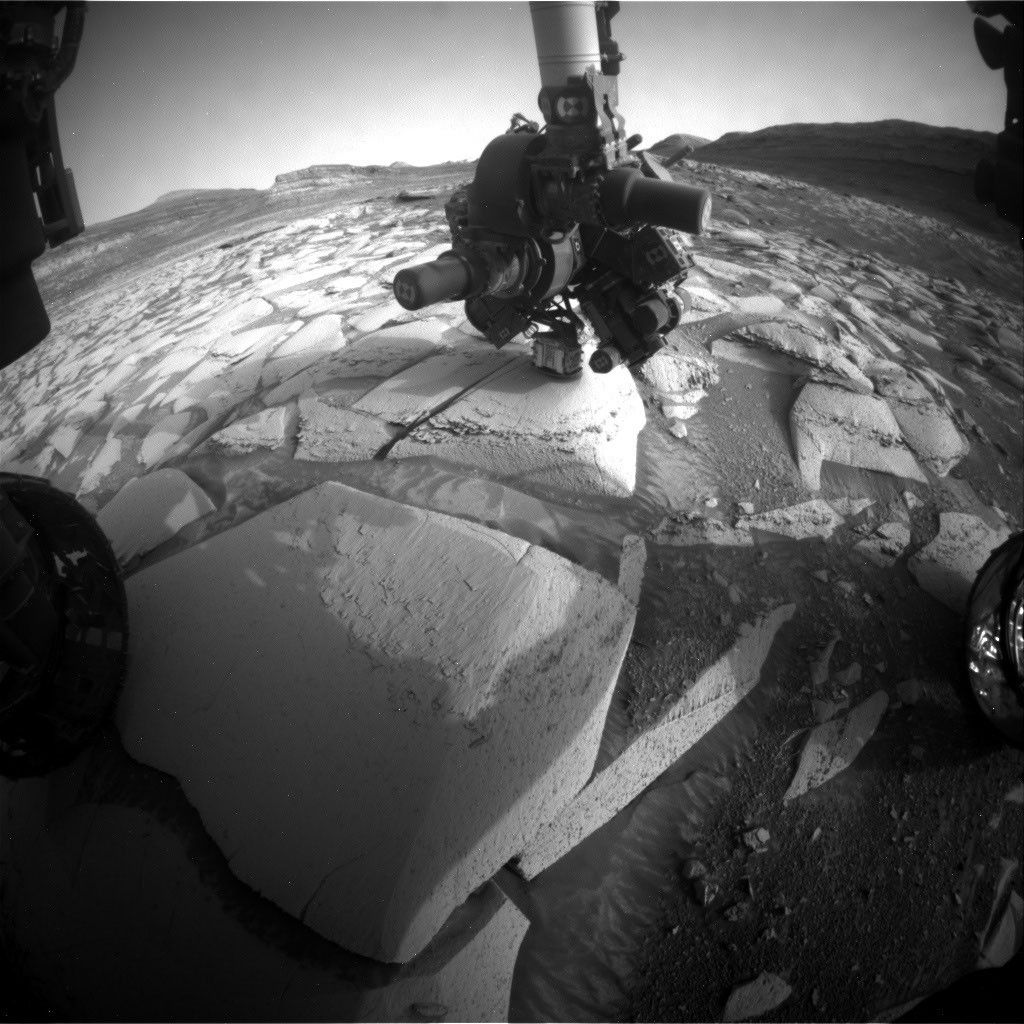
NASA's Curiosity rover celebrated its 14th landing anniversary on August 6, 2026, marking a significant milestone in its mission on Mars. Curiosity touched down in Gale Crater in 2012, with the primary goal of exploring the planet's geology and searching for signs of past life. The rover has far exceeded its initial two-year mission, continuing to send valuable data back to Earth.
The anniversary comes at a time when Mars exploration is gaining momentum. Several missions from various space agencies are currently active on the Red Planet, including NASA's Perseverance rover and the UAE's Hope orbiter. Curiosity's longevity and success have set a precedent for future missions, showcasing the importance of sustainable technology and long-term scientific inquiry in space exploration. The rover has provided crucial insights into Mars' climate and geology, contributing to our understanding of whether the planet could have supported microbial life.
Over its 14 years on Mars, Curiosity has traveled over 28 kilometers and collected thousands of rock and soil samples. Its findings have revealed evidence of ancient lakes and rivers, suggesting that Mars was once a wetter, more hospitable environment. Curiosity’s data has also enhanced our understanding of the planet’s atmosphere, radiation levels, and potential resources, which could be vital for future human missions.
Looking ahead, the Curiosity team plans to continue exploring the rover's current location in the sulfate-bearing unit of the Mount Sharp region. They aim to analyze the sedimentary rock layers to further unravel Mars' history. As the mission progresses, Curiosity's ongoing discoveries will not only enrich our knowledge of Mars but also inform the development of future exploration strategies, including potential human colonization.
Read Full Story at NASA →