Crows make decisions in 235 milliseconds, outpacing humans and monkeys, study finds.
Crows can make decisions about moving visual stimuli in just 235 milliseconds, which is about twice as fast as humans and monkeys, according to a study published in *Science*. This finding highlights…
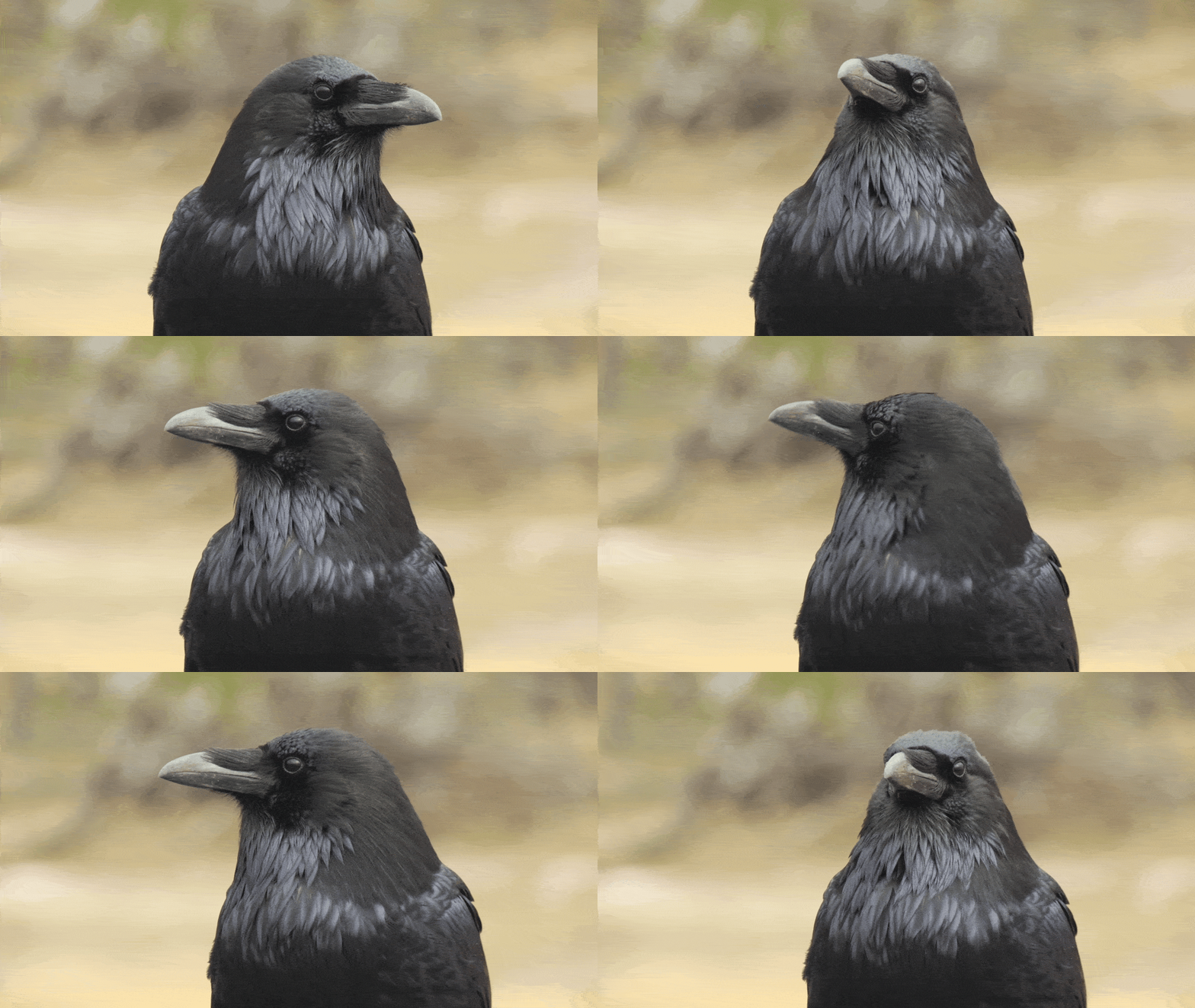
Two carrion crows decided the direction of moving dots on a screen in an average of 235 milliseconds, a new study reports, making them roughly twice as fast as humans and monkeys on comparable tasks. The findings were published on Oct. 22 in the journal *Science* and suggest that these birds can process visual information at a speed that rivals that of primates.
Crows are already famed for using tools, holding grudges and even holding funeral‑like gatherings for dead companions. The new work adds decision‑making speed to that list. Researchers say the result is striking because birds and mammals have been evolving separately for over 310 million years. If both groups arrive at similar solutions to the same computational problem, it points to convergent evolution in brain function.
In the experiment, the birds watched a cloud of white dots on a black background. Some dots moved together left or right while others moved randomly. The crows had to peck the side that matched the majority direction to earn a mealworm. By adjusting how many dots moved in unison, scientists made the task easier or harder. The crows were nearly perfect when most dots moved together and still performed above chance when only 3 % moved in concert, choosing correctly about half the time. Brain recordings from 248 neurons in the nidopallium caudolaterale—a region comparable to the mammalian prefrontal cortex—showed activity patterns similar to those seen in primates during decision making.
The study did not test humans and monkeys on the identical screen, but earlier work places human and monkey response times at roughly twice the crows’ speed on similar visual‑motion tasks. The rapid yet accurate performance suggests that crows can balance speed and judgment without sacrificing either. Researchers say the work opens a window onto how different brains solve the same problem and may inform artificial‑intelligence designs that need fast, reliable decisions. Future studies will likely compare species directly and explore whether other bird species share this lightning‑quick cognition.
Read Full Story at Live Science →