NASA researchers call artificial gravity technically feasible
NASA researchers deem artificial gravity technically feasible, offering a solution to the bone and muscle degradation astronauts suffer in microgravity. However, engineering challenges remain, specif…
NASA scientists and university researchers say artificial gravity could become a reality on future spacecraft. In a recent interview, Torin Clark, an associate professor of aerospace engineering at the University of Colorado Boulder, told Live Science that the technology is technically feasible and could arrive in the very near future. The idea is to create forces that mimic Earth’s gravity inside a spacecraft, helping astronauts avoid the health problems caused by long‑term microgravity.
The push for artificial gravity comes from growing evidence that extended stays in space harm vision, bones, muscles and other body systems. The International Space Station has already been used to study these effects, and a planned centrifuge module—an 8.2‑foot (2.5‑meter) rotating chamber—was canceled in 2005 because of budget cuts. The project was revived and then shelved again, a cycle that Ana Diaz Artiles, an associate professor at Texas A&M University, describes as “one of those things that is super popular, then gets funding, then dies, then comes back.” The recurring interest shows that the problem is real and the solution is still out of reach.
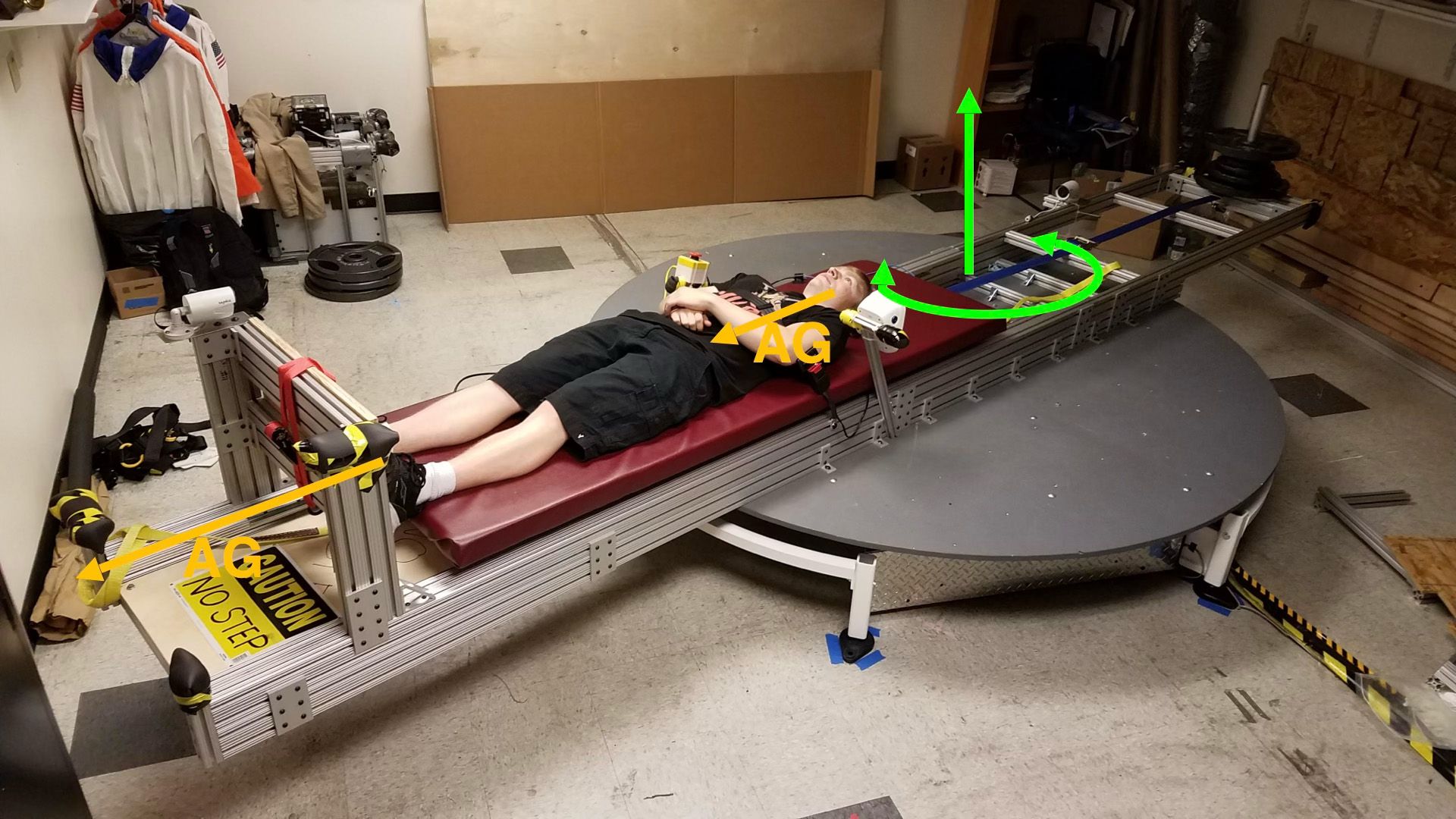
Researchers outline three main approaches to create artificial gravity. The classic science‑fiction idea is a huge rotating ring that moves an entire living module, requiring a long radius so the spin speed can be low. This makes the system massive and would need several spacecraft to assemble in orbit. A more realistic option is a short‑radius centrifuge, a tube 6 to 10 feet (1.8 to 3 meters) long that spins so the pull points toward the feet. The challenge is determining how much gravity is needed, how large the device must be, and whether continuous or intermittent use would be safest. Diaz Artiles says “we don’t know how to implement it” and that the engineering details still need work.
If artificial gravity can be built, it would change the design of long‑haul missions, such as trips to Mars or deep‑space habitats. It could reduce medical costs and improve crew well‑being, making long missions more viable. The next steps involve detailed design studies, prototype testing, and securing funding—steps that could bring the spinning ring or centrifuge from science fiction to a practical tool for space travel.
Read Full Story at Live Science →