Fossilized corals reveal climate change intensifies current El Niño events
Fossilized corals from the Galápagos Islands indicate that current El Niño events are much stronger than in the past due to climate change. This intensification poses significant risks, including ext…
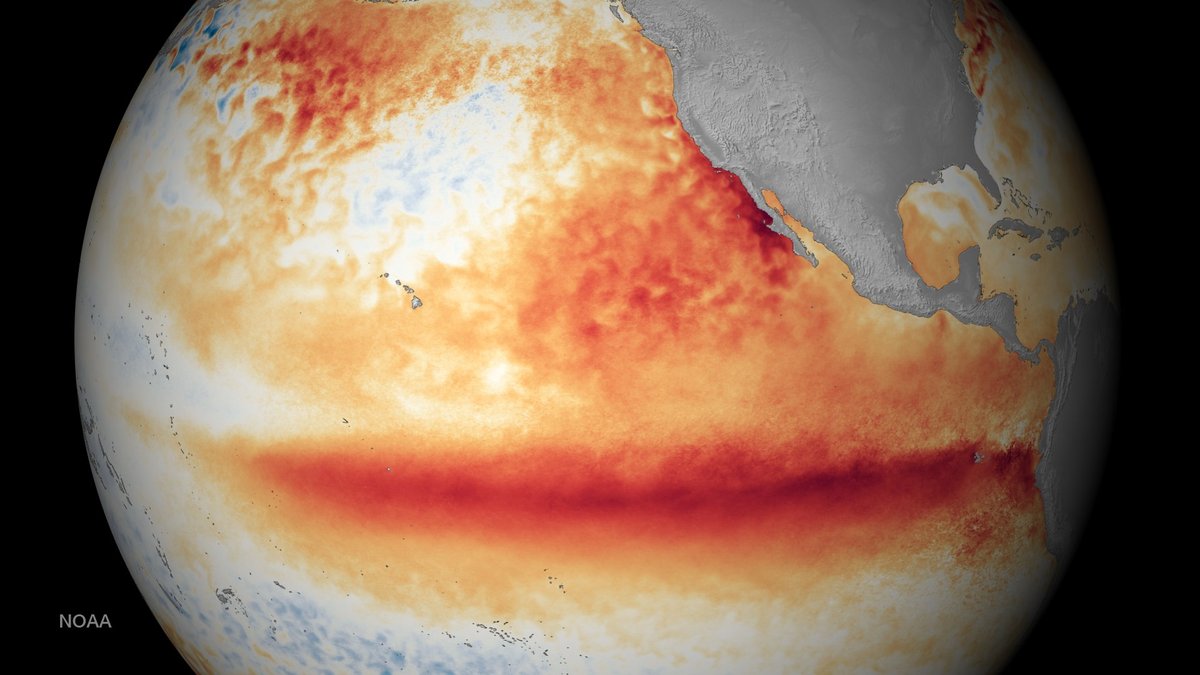
Fossilized corals from the Galápagos Islands reveal that current El Niño events are significantly stronger than those recorded in the past. Researchers have found that these corals, which serve as natural climate records, show a clear increase in the intensity of El Niño conditions over the past several decades. This information highlights the growing impact of climate change on weather patterns across the globe.
The reason for this change lies in the warming of ocean waters due to climate change. El Niño is a climate phenomenon characterized by the warming of surface waters in the central and eastern Pacific Ocean. As global temperatures rise, the frequency and strength of these events are also increasing. The findings from the Galápagos corals illustrate a concerning trend that could have far-reaching implications for weather systems, ecosystems, and economies worldwide.
The implications of stronger El Niños are significant. They can lead to extreme weather conditions such as heavy rainfall, droughts, and temperature fluctuations. These changes threaten agricultural productivity, water supplies, and biodiversity. For example, the last major El Niño event in 2015-2016 caused widespread disruptions, including severe droughts in Southeast Asia and flooding in South America. The intensifying pattern suggests that future events could have even more drastic effects.
Moving forward, researchers and policymakers must consider these findings when developing climate adaptation strategies. Stronger El Niños could demand more resilient infrastructure and improved disaster preparedness plans. Understanding the connection between climate change and these weather patterns is essential for mitigating future risks and protecting vulnerable communities. As our planet continues to warm, the urgency to address climate change becomes ever clearer.
Read Full Story at Scientific American →