Chinese scientists discover new atomic structure for efficient methane conversion
Chinese scientists have identified a more effective hidden atomic structure on nickel oxide for methane conversion, outperforming traditional metallic nickel catalysts. This finding could lead to che…
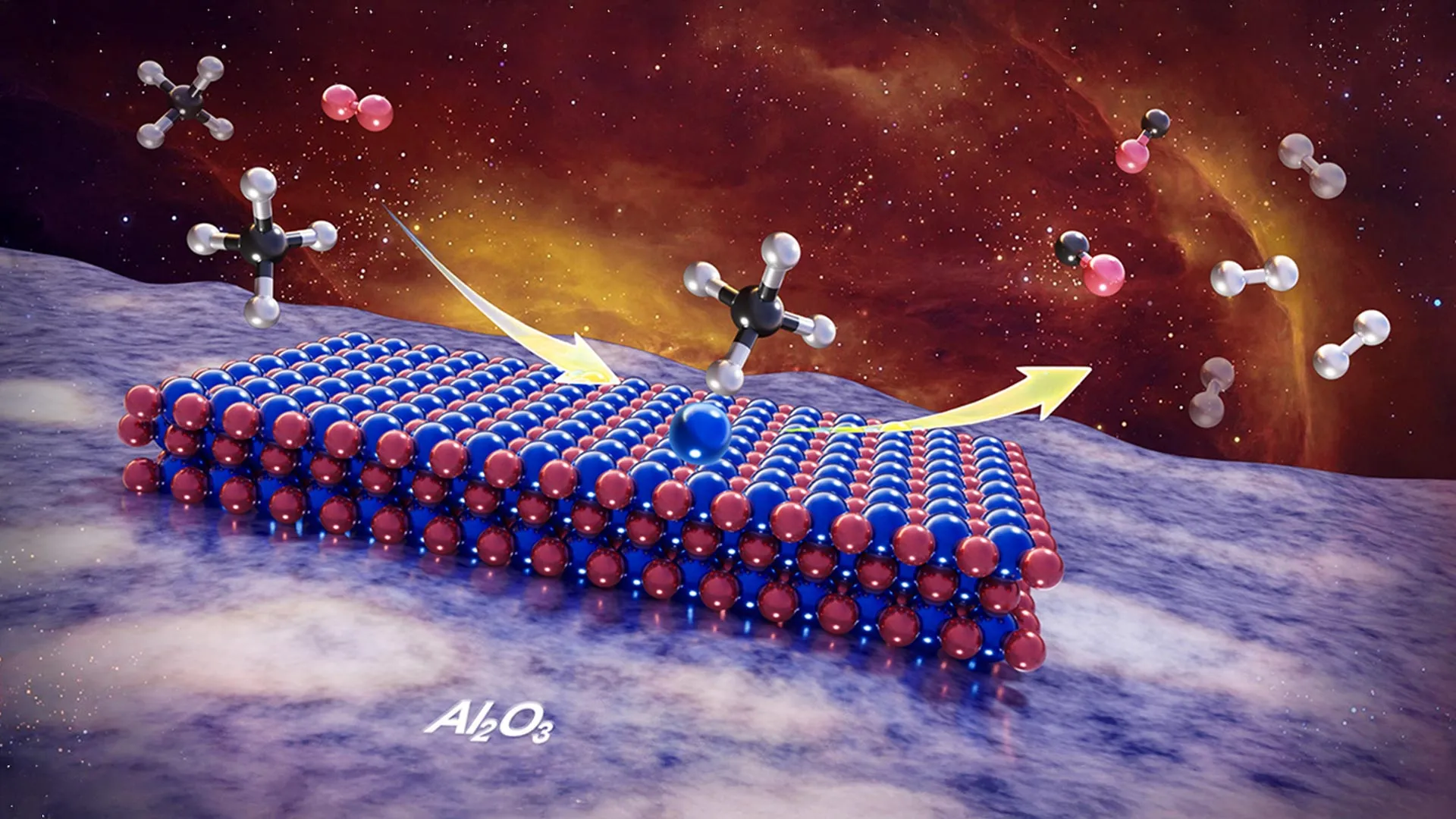
Chinese scientists have discovered a hidden atomic structure that forms on nickel oxide during methane conversion, which proves to be significantly more effective than the metallic nickel previously thought to drive this reaction. This breakthrough was reported recently in a study published in a peer-reviewed journal, highlighting the potential for more efficient and cost-effective industrial catalysts.
The urgency of this discovery stems from the global need to reduce greenhouse gas emissions and transition to cleaner energy sources. Methane, a potent greenhouse gas, is a significant contributor to climate change, and finding ways to utilize it efficiently could mitigate its harmful effects. Traditional methane conversion processes have relied heavily on metallic nickel catalysts, which are expensive and resource-intensive. The new findings suggest that a low-nickel catalyst can perform just as well, or even better, than those containing ten times more nickel.
Scientists arrived at this discovery through a combination of advanced imaging techniques and chemical analysis. The hidden atomic structure, which forms during the methane conversion process, was previously overlooked in favor of the more familiar metallic nickel. This novel approach not only challenges longstanding assumptions in the field but also opens avenues for further research into alternative catalysts that could be made from more abundant and less expensive materials.
Looking ahead, this breakthrough could revolutionize the industrial processes for converting methane into useful products, such as hydrogen or other chemicals. If further research confirms the efficacy of the low-nickel catalyst, it could lead to significant cost savings and a reduction in the environmental impact of methane conversion technologies. As industries worldwide seek to adopt more sustainable practices, this discovery represents an important step toward a greener future.
Read Full Story at ScienceDaily →