Trump and Xi discuss AI safety amid China's open model concerns
Donald Trump and Xi Jinping will discuss AI safety amid concerns that China's open-weight AI models challenge U.S. regulatory efforts. This dialogue is critical as it could influence future internati…
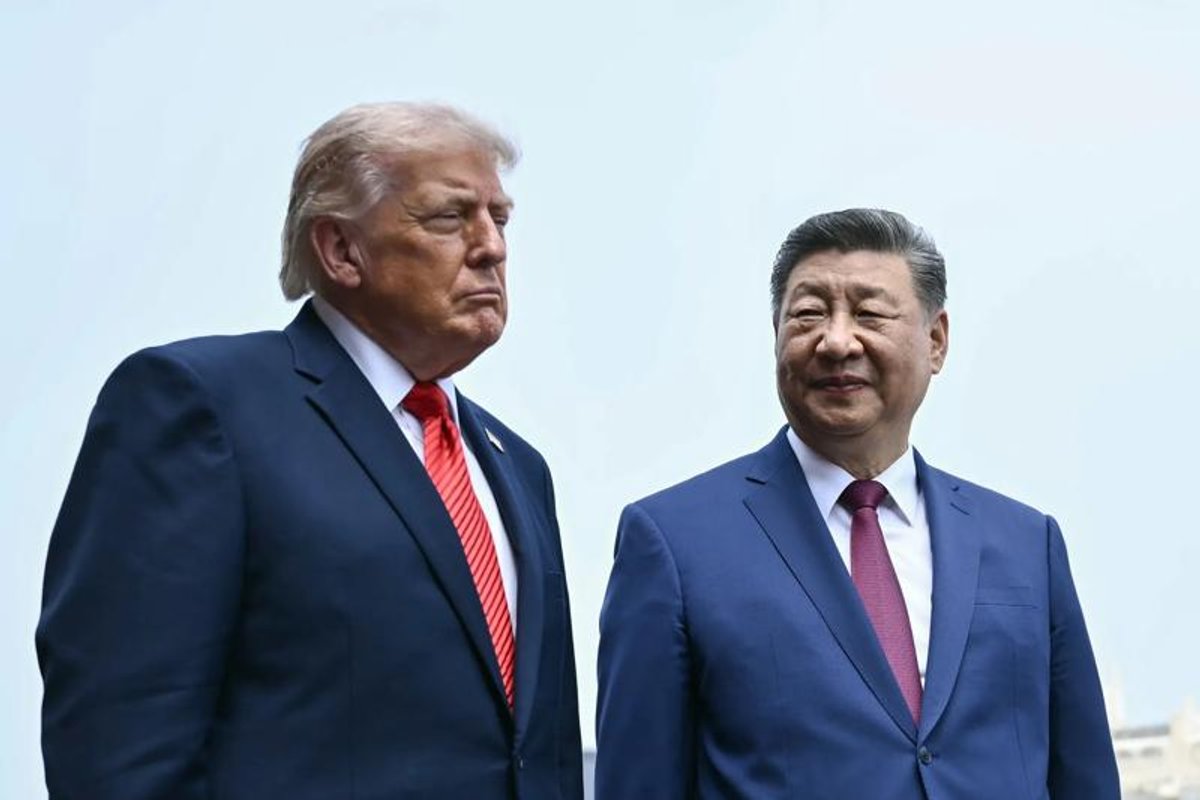
Donald Trump and Xi Jinping are set to discuss artificial intelligence safety amid rising concerns over the implications of Chinese open-weight AI models. This dialogue comes as the popularity of these models challenges the effectiveness of traditional safeguards implemented by developers in the United States and elsewhere.
The urgency of this discussion is underscored by the rapid advancement of AI technology, particularly in China, where companies are increasingly releasing open-source AI models. These models allow wider access and experimentation, which can accelerate innovation but also raise significant risks regarding misuse and ethical concerns. The U.S. has pushed for more stringent controls and regulations surrounding AI development, aiming to mitigate potential dangers. However, as China expands its influence in the AI space, the gap between U.S. regulatory frameworks and Chinese practices becomes more pronounced, prompting a need for international dialogue and cooperation.
Reactions to these developments vary. Some experts argue that open models can lead to breakthroughs in AI that benefit society, while others warn that the lack of oversight could result in harmful applications, such as deepfakes or autonomous weaponry. The U.S. government has expressed concerns about the implications of unregulated AI, particularly in military and surveillance applications. As both nations prepare for their discussions, the outcomes could shape the future landscape of AI governance and international collaboration on safety protocols.
Looking ahead, the talk between Trump and Xi may set a precedent for how countries manage AI technologies moving forward. The potential for an arms race in AI capabilities necessitates a framework for responsible development and deployment. If the two leaders can agree on guidelines, it could pave the way for enhanced global cooperation and a unified approach to the challenges posed by AI. This conversation is crucial, as the decisions made now will influence not only the technological landscape but also the ethical considerations surrounding AI for years to come.
Read Full Story at Scientific American →